Full Analysis Summary
Damascus offensive in Rojava
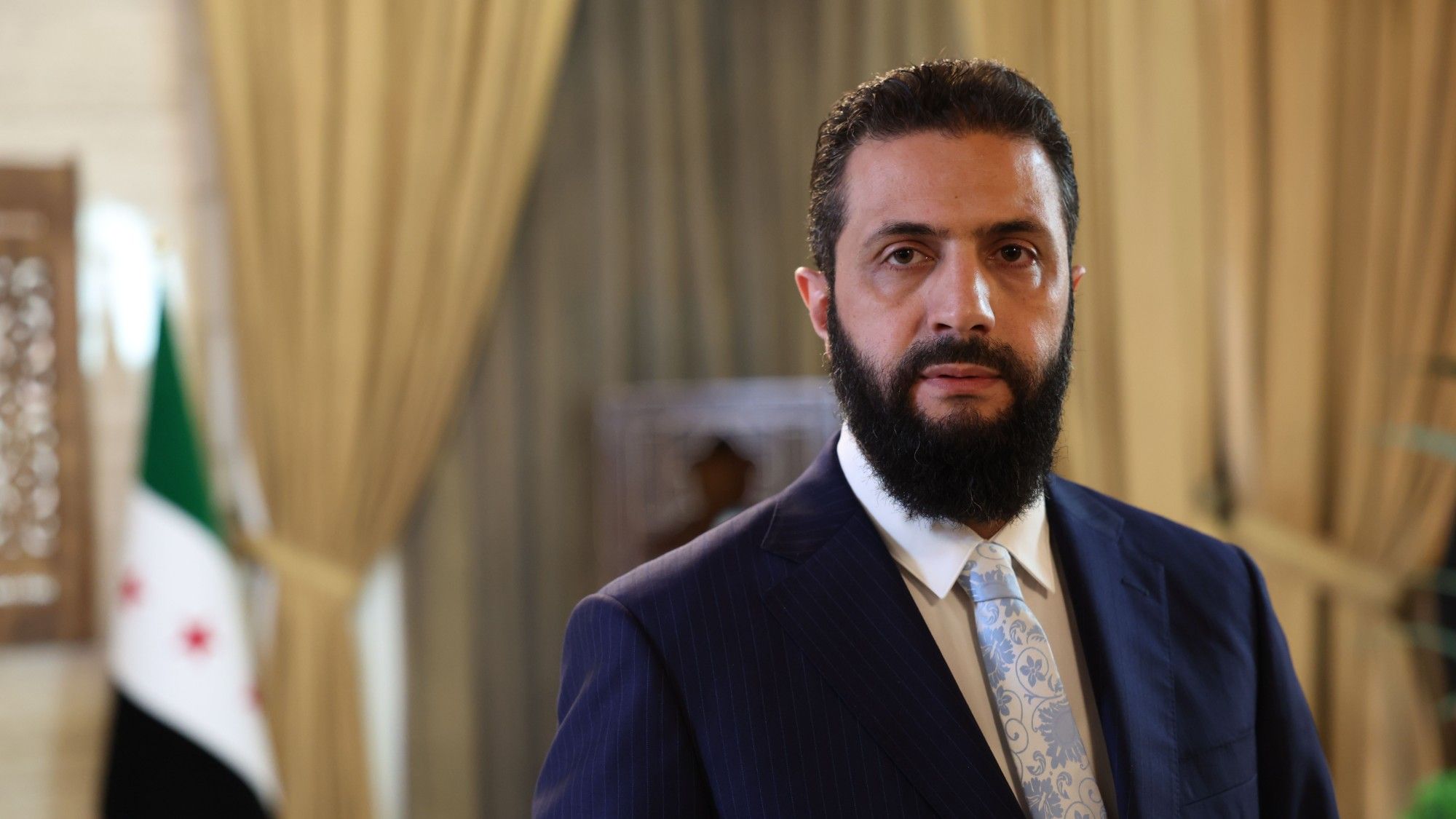
President Ahmed al-Sharaa launched a lightning military offensive that seized most of Syrian Kurdistan (Rojava).
The Week UK reports that al-Sharaa, who ousted Bashar al-Assad in December 2024, initiated a rapid assault that overturned the region's decade-long de facto autonomy and governance structures.
The operation is described as swift and decisive and marks a dramatic break with prior promises by the new Damascus leadership to respect Syria's ethnic minorities.
SDF agreement fallout
According to The Week UK, the US-backed Syrian Democratic Forces (SDF), the Kurdish-led militia that helped defeat ISIS and governed a semi-autonomous, secular and feminist Rojava since 2012, were compelled on 18 January to sign a 14-point agreement.
The agreement ceded control of the largely Arab provinces of Raqqa and Deir ez-Zour.
It also transferred key oil and gas fields to Damascus.
The deal required the SDF to disband.
This represented a sudden and concrete collapse of Kurdish self-rule in those areas.
Northeast Syria power shift
The Week UK characterises the deal as a major strategic victory for Damascus and a severe blow to Kurdish aspirations for self-rule after more than a decade of autonomy.
The story emphasises that the shift returns control of significant territory and natural resources to the central government, undermining the SDF's political and military achievements since 2012 and reshaping the balance of power in northeast Syria.
Rojava governance reversal
The article highlights the contrast between Rojava's prior governance model and the rapid reversal represented by al-Sharaa's assault.
The Week UK described Rojava's governance as 'semi-autonomous, secular and feminist' since 2012.
Territories transferred include largely Arab provinces and key oil and gas fields, underscoring both ethnic and economic dimensions to the change in control and explaining why Kurdish leaders and communities see the outcome as a profound betrayal.
Coverage Differences
Tone / Emphasis (limited to single source)
With only The Week UK available, the reported tone — emphasising betrayal, strategic loss, and a reversal of progressive governance — cannot be contrasted with other outlets that might present different emphases (for instance, portraying the transfer as reunification under state sovereignty). The Week UK’s tone foregrounds Kurdish loss and the breaking of pledges made by al-Sharaa.
Source limitations and framing
Limitations and ambiguities are significant: only one article (The Week UK) was provided to inform this account, so claims about motives, the conduct of the offensive, casualty figures, reactions from Kurdish leaders, or responses from external actors (the US, Russia, Turkey, Iran) are not corroborated here.
Because the single source frames the events as both a betrayal and a strategic victory for Damascus, readers should note the absence of alternative perspectives or primary statements from the SDF or other stakeholders in the supplied material.