Iran20 February, 20263 min read
President Donald Trump Considers Limited Military Strike on Iran
Trump said he is considering a limited military strike to pressure Iran into a deal U.S. beefed up Middle East forces, including deploying USS Abraham Lincoln and Gerald Ford
57 outlets told this the same way.
Trump considering Iran strike
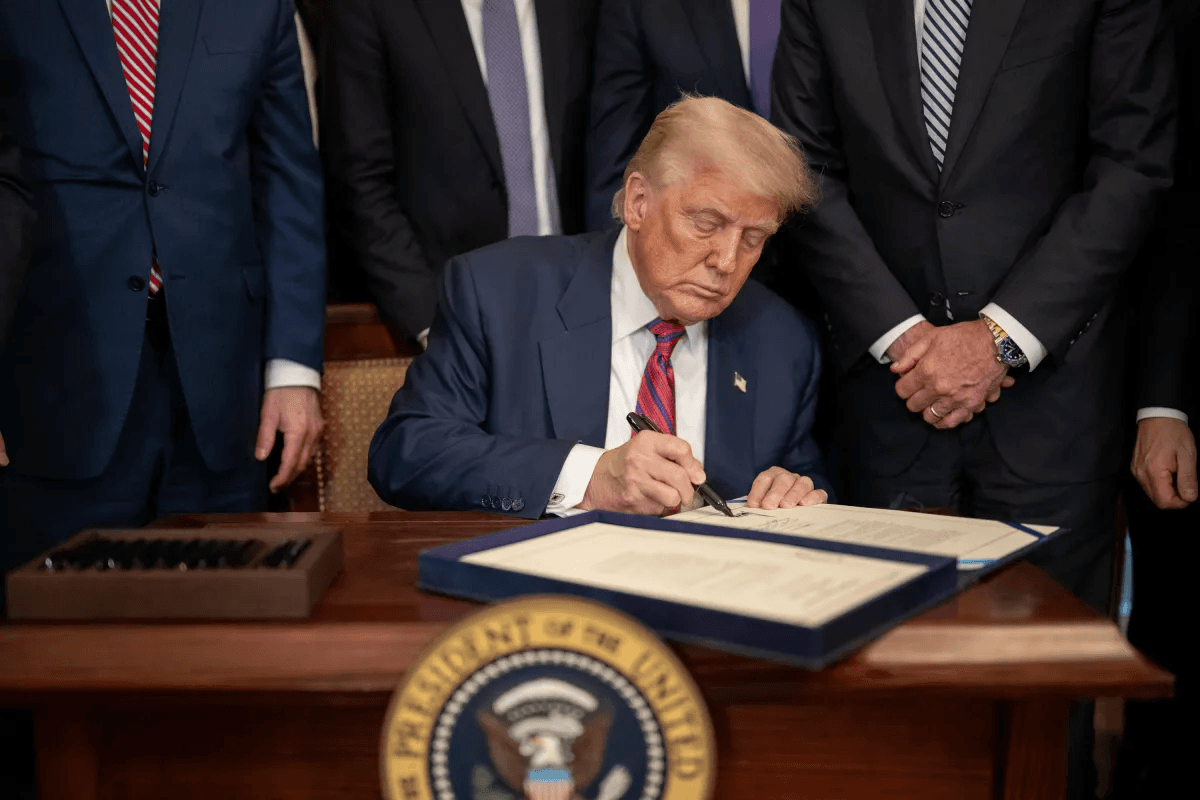
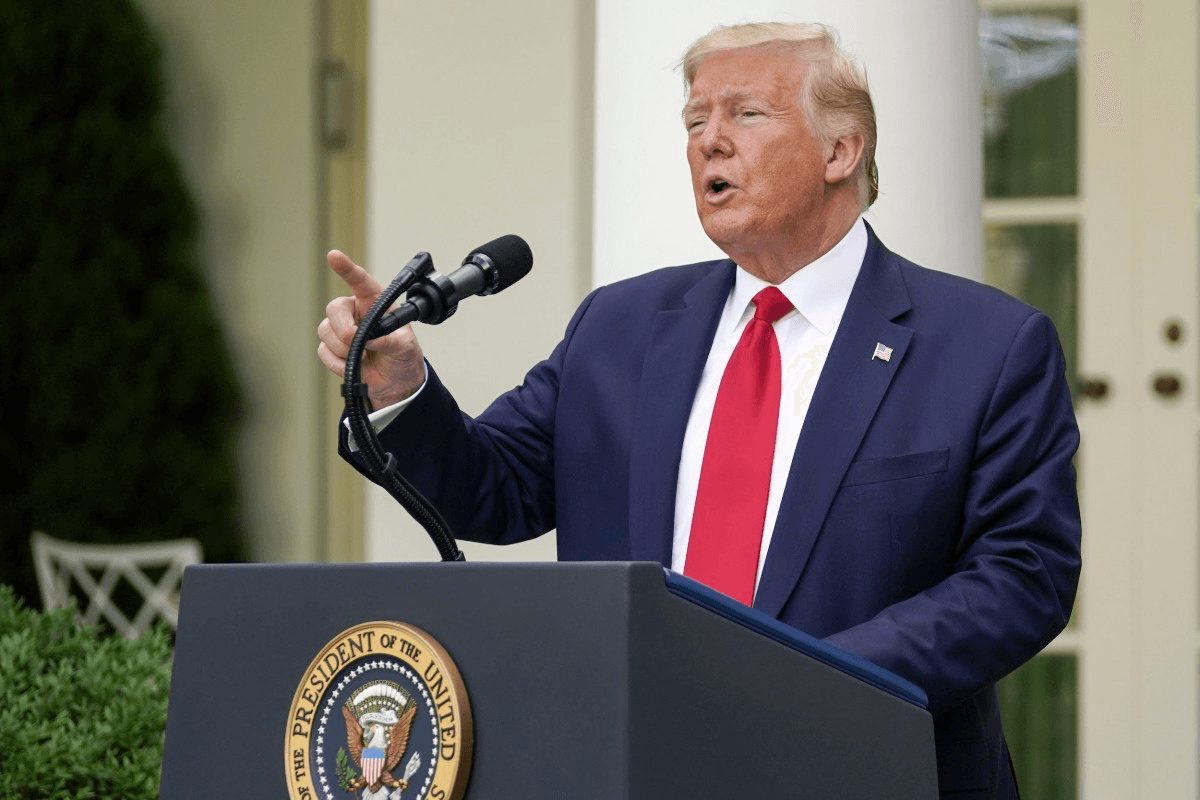
President Donald Trump told reporters he is "considering" a limited military strike on Iran as part of a broader effort to pressure Tehran into a nuclear deal. Reuters reported the president's comments at the White House and said he offered no further details. The White House and Pentagon simultaneously ordered an unusually large US military buildup to the Middle East that includes carrier strike groups.
“At the White House, President Donald Trump said he is ‘considering’ a limited military strike on Iran to pressure Tehran into a deal on its nuclear program, but he offered no further details.”
Anadolu Ajansı and NOTUS echoed that the option was "on the table" amid a reinforced US posture. News reports described the reinforced posture as including the USS Abraham Lincoln and the incoming USS Gerald Ford.

Several outlets noted the administration set a roughly 10–15 day timeline for negotiators. The Observer Post reported a decision "could come within 10–15 days."
Iran-US talks divergence
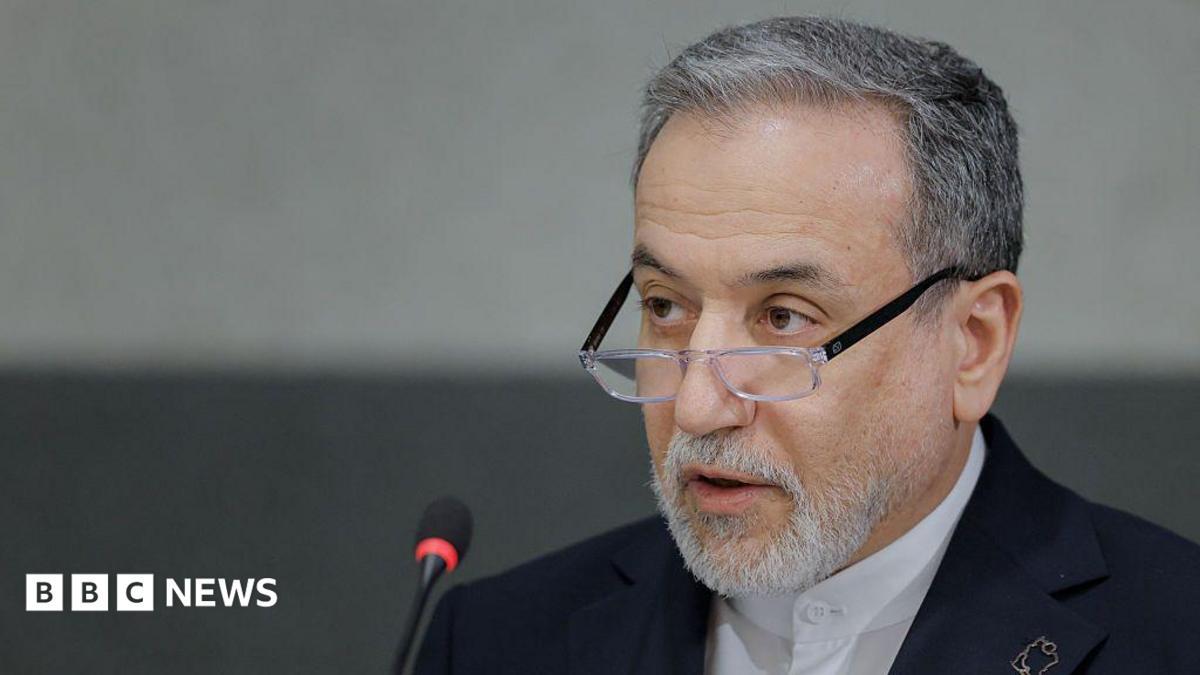
The military pressure overlaps with active diplomacy. Iranian deputy foreign minister Abbas Araghchi said after recent Geneva talks that Tehran would present a draft proposal to Washington within days. Araghchi denied US claims that Washington demanded a halt to all uranium enrichment, saying neither side had offered "zero enrichment."
Several West Asian and mainstream outlets quote Araghchi stressing a diplomatic route. Western mainstream sources report that the US has demanded far stricter limits, including removal of enriched uranium and an end to enrichment. These accounts create a clear factual divergence in how each side describes the negotiations.

US planning and options
Reporting on US planning and options shows divergence in scope and intent. Several outlets describe planning at an "advanced stage" with options that range from "limited, targeted" strikes on military or government sites to broader campaigns intended to degrade regime infrastructure or target individual figures.
“US military planning for strikes on Iran is at an advanced stage, including options to target individual Iranian leaders and, if ordered by President Trump, pursue regime change.”
The Express Tribune and RBC-Ukraine report that planners are considering options up to regime-change campaigns and targeting leaders. Outlets such as Daijiworld and Anadolu Ajansı highlight the administration's stated preference for diplomacy paired with calibrated military options described as enforcement rather than full-scale war.
Regional military and diplomatic responses
Iran and regional actors have pushed back. West Asian outlets report Iran staged naval drills, temporarily closed the Strait of Hormuz for exercises, and warned that US bases and assets would be 'legitimate targets' if strikes occur. Iran's UN envoy and foreign ministry framed US threats as violations of international law and urged Security Council action.
At the same time, mediators and other powers urged restraint, with Russia calling for restraint and Britain reportedly declining requests to use its airbases. These moves underscore the diplomatic friction that sits alongside military posturing.
Markets and media reactions
Markets and international observers reacted with caution but not panic. Oil prices rose earlier in the week on strike concerns but eased slightly by Friday. Traders were reported as worried about potential disruptions to flows through the Strait of Hormuz.
“Oil prices, which rose more than 5% earlier in the week on concerns about possible U.S. action, eased slightly on Friday — U.S. crude near $66.15/barrel and Brent about $71.43.”
Media and analysts emphasized continued uncertainty: several outlets explicitly said no final decision had been made while others reported that planning and options were well advanced and could be executed quickly if ordered. That mix of reported readiness and official hedging — from claims of 'considering' a strike to repeated caveats that diplomacy remains preferred — leaves the situation fluid and contested in the reporting.