
President Donald Trump Demands NATO Backing to Secure Hormuz as Iran Attacks Oil Pipeline
Key Takeaways
- Trump asked about seven countries to send warships to keep the Strait of Hormuz open.
- Several Western allies rejected or are evaluating joining the Hormuz protection coalition.
- Iran attacked oil infrastructure; Strait of Hormuz largely closed, threatening shipments.
Trump's NATO Demands
President Donald Trump has intensified pressure on NATO allies to provide naval support for securing the Strait of Hormuz, warning that countries refusing to help face a 'very bad future.'
“Trump says that he’s asked ‘about 7' countries to join coalition to police Iran’s Strait of Hormuz Trump says that he’s asked ‘about 7' countries to join coalition to police Iran’s Strait of Hormuz CAIRO (AP) — President Donald Trump said Sunday that he has demanded about seven countries send warships to keep the Strait of Hormuz open, but his appeals have brought no commitments as oil prices soar during the Iran war”
In an interview with the Financial Times, Trump emphasized that nations benefiting from oil shipments through the Gulf must contribute to safeguarding the critical waterway.
He declared 'It's only appropriate that people who are the beneficiaries of the strait will help to make sure that nothing bad happens there.'
The U.S. president specifically called on allies to contribute naval assets such as minesweepers, noting that Europe possesses far more of these vessels than the United States.
Trump stated 'Whatever it takes' when asked what assistance Washington expects.
His demands come as Iran has moved to disrupt the strait following U.S.-Israeli strikes that began in late February.
Iran's Hormuz Disruption
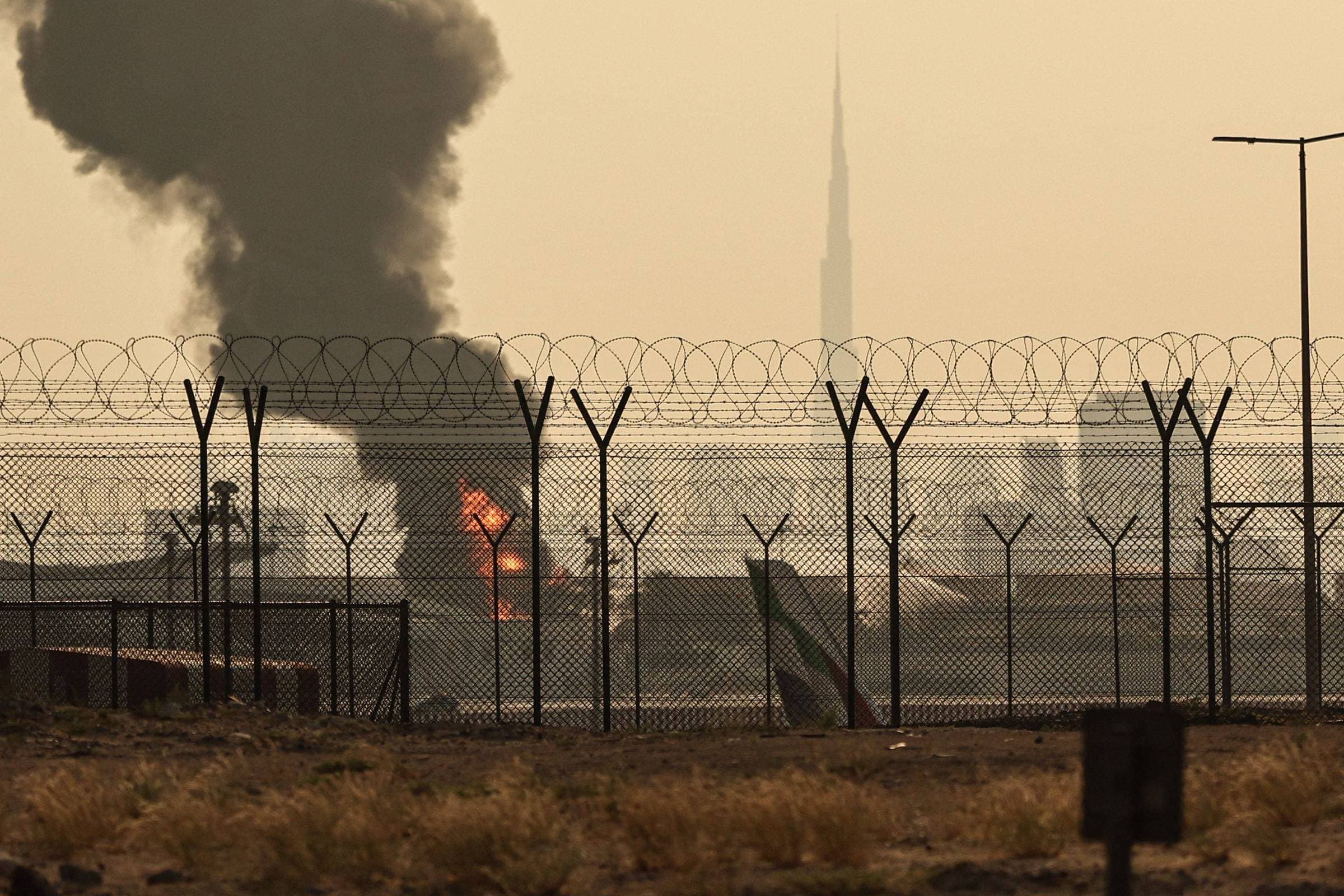
Iran has significantly disrupted maritime traffic through the Strait of Hormuz since the start of U.S.-Israeli military operations on February 28, targeting at least 16 vessels and tankers.
The Iranian regime has moved to restrict access to the vital waterway, driving up global oil prices and aiming to create economic pressure on the Trump administration and Israeli government.
Data from maritime intelligence sources shows Iranian crude exports averaging more than 1.5 million barrels per day through the strait this month.
This demonstrates Iran's ability to maintain some oil shipments while disrupting others.
Before the escalation, approximately 14.7 million barrels of crude and 4.8 million barrels of refined products moved daily through the strait — about one-fifth of global oil consumption.
The International Energy Agency reports that disruptions have cut global supply by about 8 million barrels a day of crude and another 2 million barrels of condensates and natural gas liquids.
Global Economic Impact
The international community is grappling with severe economic fallout from the conflict, with major oil corporations and financial authorities expressing growing concern.
““It’s only appropriate that people who are the beneficiaries of the strait will help to make sure that nothing bad happens there,” says U”
The chief executives of ExxonMobil, Chevron and ConocoPhillips have warned Trump administration officials that disruption to flows through the Strait of Hormuz is likely to worsen the global energy crisis.
They cautioned that prolonged instability could sustain volatility, tighten supplies and risk shortages of refined products.
As international oil prices continue to surge, Brent crude rose past $104 per barrel while markets reacted with falling stocks.
In response to the supply disruption, 32 IEA member countries plan to release roughly 400 million barrels from strategic reserves over 120 days beginning the following week.
Despite these measures, U.S. Energy Secretary Chris Wright admitted there were 'no guarantees' oil prices would fall in the coming weeks.
Regional Escalation
The military conflict has escalated significantly across the region, with coordinated attacks and counter-attacks creating a volatile security environment.
The United Arab Emirates has been attacked with six ballistic missiles and 21 drones from Iran, according to the Emirati Defense Ministry.
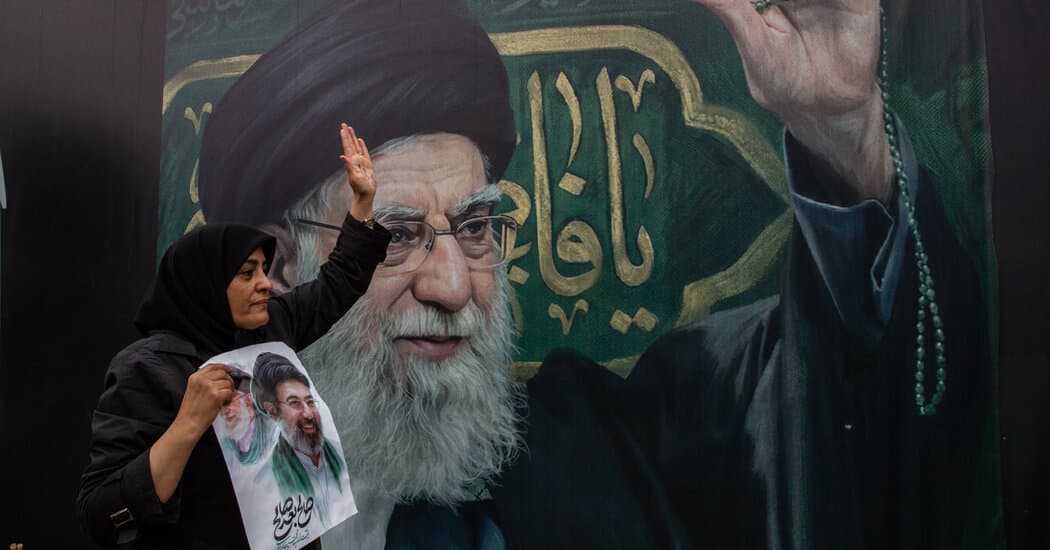
The ministry has tallied 304 ballistic missiles, 15 cruise missiles and 1,627 drones since the start of the war.
In Iraq, four people were injured when five missiles struck the Baghdad International Airport.
The Iran-backed Iraqi militia Kataib Hezbollah claimed responsibility for the attack.
Israeli forces have targeted government infrastructure in Tehran and conducted strikes in Beirut, with Israeli military announcing 'broad wave of attacks' against Iranian positions.
Diplomatic Fallout
Political fallout from the conflict has created significant divisions among key U.S. allies and affected diplomatic relations.
Australia has already refused to send naval ships to help reopen the strait.

British Prime Minister Keir Starmer defended his decision to resist Trump's pressure, stating he has 'stood by my principles' and that British troops should only be sent into action that is legal and has 'a proper thought-through plan.'
Trump has berated the British leader for limiting the use of UK bases by American warplanes and declining to send an aircraft carrier to the Middle East.
Trump complained to the Financial Times that 'when I asked for them to come, they didn't want to come.'
White House press secretary Karoline Leavitt indicated that Trump's planned summit with Chinese President Xi Jinping scheduled for early April may be postponed.
More on Iran
Iranian Women's Soccer Captain Zahra Ghanbari Withdraws Asylum Bid in Australia
10 sources compared
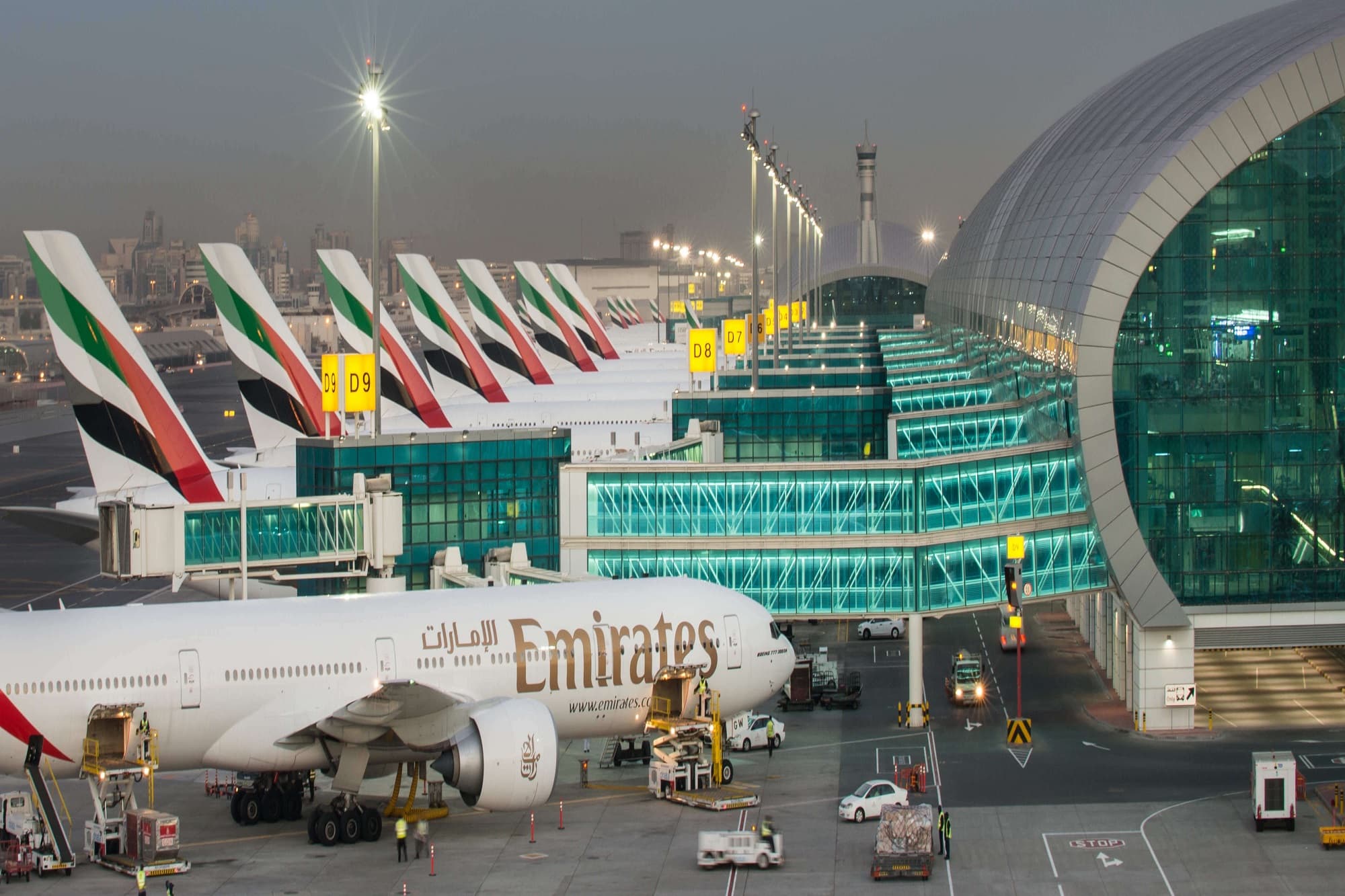
Iranian Drone Strike Shuts Dubai International Airport, Thousands Stranded
25 sources compared

Iran Drone Strike Shuts Dubai International Airport, Triggers Global Travel Disruption
16 sources compared

Iran's New Supreme Leader Mojtaba Khamenei Travels to Moscow for Leg Surgery
15 sources compared