USA02 March, 20264 min read
President Donald Trump Orders U.S. Strikes That Kill Iran’s Supreme Leader Ayatollah Ali Khamenei
Iran’s supreme leader Ayatollah Ali Khamenei killed in coordinated U.S.-Israeli airstrikes on Tehran Iran launched missiles and drones in retaliation, widening the conflict across the region
22 outlets told this the same way.
Outlets did split on Trump Interrupted by Protesters at San Antonio Rally for Ken Paxton →
U.S.–Israeli strikes in Iran
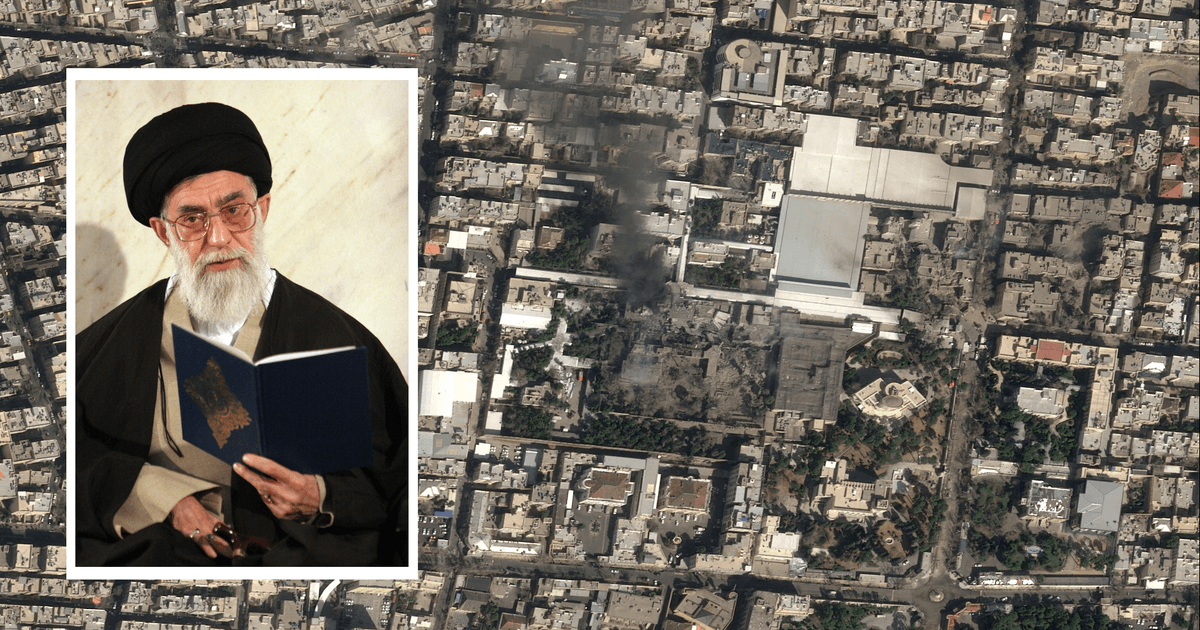
A coordinated U.S.–Israeli air campaign struck targets across western and central Iran and resulted in claims that Iran’s Supreme Leader Ayatollah Ali Khamenei was killed. The development was first announced by President Trump and later reported by Iranian state outlets. Both U.S. and Israeli officials framed the operation as a decisive attack on Iran’s military and leadership.
“A U.S.- and Israel-led air campaign reportedly killed Iran’s Supreme Leader Ayatollah Ali Khamenei, triggering threats of sustained and escalatory violence.”
CBS News reported “A U.S.- and Israel-led air campaign reportedly killed Iran’s Supreme Leader Ayatollah Ali Khamenei.” NPR noted “the violence followed a joint U.S.–Israeli operation (the Pentagon called it 'Epic Fury,' Israel 'Roaring Lion').”

The Intercept summarized that “U.S. and Israeli airstrikes on Saturday killed Iran’s Supreme Leader Ali Khamenei.” CNN similarly reported “joint U.S.-Israeli strikes have killed Iran’s supreme leader, Ayatollah Ali Khamenei — a development first announced by Donald Trump and later confirmed by Iranian authorities.”
Iran leadership casualties
Iranian state media and officials reported significant leadership and civilian casualties, announced a 40‑day mourning period, and said an interim leadership council would assume the supreme leader’s duties.
Independent verification of many high‑profile death tolls and identities remains limited and contested.

CBS News said "Iran reported additional high-level military fatalities after an airstrike on a defense council meeting, naming figures including Gen. Abdol Rahim Mousavi (chief of army staff) and Gen. Aziz Nasirzadeh (defense minister) among the dead" and described "an interim leadership council—led by the president, the parliament speaker and the judiciary head—was announced to assume the supreme leader’s duties."
GBH reported "Iran announced a three-person interim leadership council and said Khamenei, several family members and senior commanders were among the dead."
NPR noted "Iran’s state media reported that Supreme Leader Ayatollah Ali Khamenei was killed in what it described as the joint U.S.–Israeli operation and announced 40 days of mourning."
Several outlets cautioned that many claims remain unconfirmed.
The accounts from CBS News, GBH and NPR contradict each other on which senior figures were reported killed, including whether Supreme Leader Ayatollah Ali Khamenei was among the dead.
Regional missile and drone strikes
Iran launched large missile-and-drone reprisals across the region. Tehran and Gulf states reported strikes, interceptions and damage to civilian infrastructure and airports, and nations from Israel to Gulf capitals sounded air-raid sirens and reported impacts. CBS News reported sirens sounded in Israel and that Gulf cities including Abu Dhabi, Dubai, Doha and Manama reported explosions or strikes.
“Iran retaliated with large missile-and-drone barrages across the region: sirens sounded in Israel, and Gulf cities including Abu Dhabi, Dubai, Doha and Manama reported explosions or strikes. The UAE said Iran fired 137 missiles and 209 drones at its territory, causing damage and airport disruptions.”
CBS quoted the UAE as saying Iran fired 137 missiles and 209 drones at its territory. NPR reported that Saudi Arabia, the UAE, Qatar, Bahrain and Kuwait reported strikes. NPR said Jordan reported it shot down 49 incoming drones and ballistic missiles.
GBH said Iran retaliated with missile and drone attacks across the Gulf, Iraq and Jordan aimed at U.S. and Israeli targets. GBH reported Tehran claimed it had hit 27 U.S. bases plus Israeli sites.
CNN noted Iran launched widespread retaliatory strikes across the region, targeting countries that host U.S. bases, including Bahrain and the UAE. The outlets reported differing figures and claims across their accounts—for example, CBS quoted the UAE on 137 missiles and 209 drones, NPR said Jordan shot down 49, and GBH said Tehran claimed it hit 27 U.S. bases plus Israeli sites.
Trump strikes and reactions
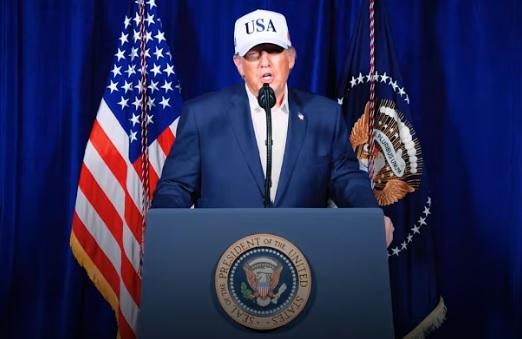
President Trump framed the strikes as necessary to eliminate imminent threats and vowed continued bombardment while urging Iranian forces to disarm or surrender. His rhetoric and the operation’s scope prompted sharp domestic and international criticism, including accusations of authoritarian overreach and warnings about escalation. CBS News reported that President Trump vowed 'heavy and pinpoint bombing' would continue as needed, warned of unprecedented force if Iran retaliates, urged Iran’s military to disarm, and called on civilians to rise up.
World Tribune said President Trump announced and launched 'Operation Epic Fury' and reported that Trump posted on Truth Social calling Khamenei 'one of the most evil people in History'. CNN wrote that Trump vowed the bombing would continue 'uninterrupted throughout the week'. The Intercept’s analysis explicitly charged that the broader context included domestic authoritarian moves and said the piece 'shifts into polemic, accusing Donald Trump of carrying out a full-on authoritarian takeover of the U.S. government'.
Diplomatic fallout and reactions
The strikes and reprisals produced wide diplomatic fallout and heightened fears of a broader regional war, prompting emergency meetings, condemnations from major powers, protests, tightened security around embassies, and warnings that the conflict could spur long-term instability and proliferation pressures.
“Reactions were sharply divided: US President Donald Trump praised the move, called Khamenei ‘one of the most evil people in History’ and warned of severe retaliation if Iran struck back; an unnamed US official said the strike could open a path to a different Iran. ... Several regional countries closed airspace amid fears of wider conflict, and analysts warned of heightened instability around strategic chokepoints such as the Strait of Hormuz.”
Al Jazeera reported that Gulf Cooperation Council foreign ministers and EU foreign ministers held emergency talks after a late U.N. Security Council meeting and described reactions as sharply divided.

CBS News said Russia requested a special IAEA board meeting to discuss the attacks and noted that Iranian dissidents welcomed Khamenei’s death as an opening for transition to secular democracy even as Iranian officials vowed determined retaliation.
NPR quoted the U.N. chief, saying U.N. Secretary-General António Guterres condemned both the U.S.-Israeli strikes and Iran’s retaliation, warned the actions risk uncontrollable escalation, and urged dialogue.
The Long War Journal cautioned that the situation remained fluid and heavily dependent on preliminary reports.