South America12 February, 20264 min read
President Donald Trump Plans to Visit Venezuela After U.S. Ousts and Detains Nicolás Maduro
President Donald Trump said he plans to visit Venezuela U.S. forces ousted and detained Nicolás Maduro after air strikes

12 outlets told this the same way.
Outlets did split on Alexandre de Moraes Orders Eduardo Bolsonaro Arrest, Cancels Passport, Enforces Four-Year Sentence →
Maduro capture and reactions
Reports say Venezuelan leader Nicolás Maduro was captured and detained, with some accounts saying he was ousted and taken to New York to face drug and weapons charges.
“Former US president Donald Trump said he plans to visit Venezuela and described Washington’s relationship with the country as ‘very good.’”
LBC reports that Former US president Donald Trump said he plans to visit Venezuela and described Washington’s relationship with the country as "very good."
LBC says the US is 'working together very closely' with acting leader Delcy Rodríguez, particularly on oil access.
Folha de S.Paulo reports that President Donald Trump announced for the first time that he plans to visit Venezuela, though he gave no date.
Folha says that since Maduro’s arrest the White House has been engaging with interim chavista leader Delcy Rodríguez and easing some sanctions.
Anadolu Ajansı says Cuba’s fuel shortages worsened after the U.S. military captured Venezuelan President Nicolás Maduro on Jan. 3 and barred the acting authorities from supplying energy to the island.
The sources contain contradictions: LBC refers to Donald Trump as 'Former US president,' while Folha calls him 'President Donald Trump,' and some accounts describe Maduro as ousted and taken to New York while Anadolu describes him as captured by the U.S. military on Jan. 3.
Taken together, the reports link Maduro's reported capture and detention to Trump's announced plans to visit, Washington's engagement with Delcy Rodríguez, and concerns about regional energy supplies.
U.S. engagement with Venezuela
LBC and Folha report that the United States has moved quickly to engage with Delcy Rodríguez. Some U.S. officials are treating Rodríguez as the acting Venezuelan authority. LBC quotes Trump saying the US is 'working together very closely' with Venezuela's acting leader, former vice-president Delcy Rodríguez, 'particularly on access to oil.'
Folha states the White House 'has been engaging with interim chavista leader Delcy Rodríguez and easing some sanctions,' and adds that Trump said the U.S. already considers Rodríguez the legitimate leader, praised her work and described bilateral relations as "as good as one could wish." Travel And Tour World and Firstpost note that U.S. steps have reduced Venezuelan oil supplies to regional partners such as Cuba, linking diplomatic engagement with energy-access arrangements. Source descriptions vary, calling Rodríguez an acting leader, an interim chavista leader, and a former vice-president.

Russia's Cuba response
Moscow has moved to mitigate spillover effects in Cuba by organizing repatriation flights and offering fuel aid. Al Jazeera reports "Russia is arranging return-only flights to evacuate its citizens from Cuba" and that Rossiya will run return flights "to evacuate roughly 5,000 Russian tourists." Anadolu Ajansı says "Russia will send oil and petroleum products to Cuba as humanitarian aid 'in the near future.'"
“Rossiya will run return flights from Havana and Varadero to Moscow to evacuate roughly 5,000 Russian tourists.”
Firstpost and Travel And Tour World similarly describe Rossiya, Nordwind and Aeroflot operating return flights and Moscow coordinating evacuations. Firstpost summarizes that "Rossiya and Nordwind (and Aeroflot) are operating return flights from Havana and Varadero while the Russian embassy coordinates with Cuban authorities and Moscow plans humanitarian oil shipments."
Cuba fuel crisis effects
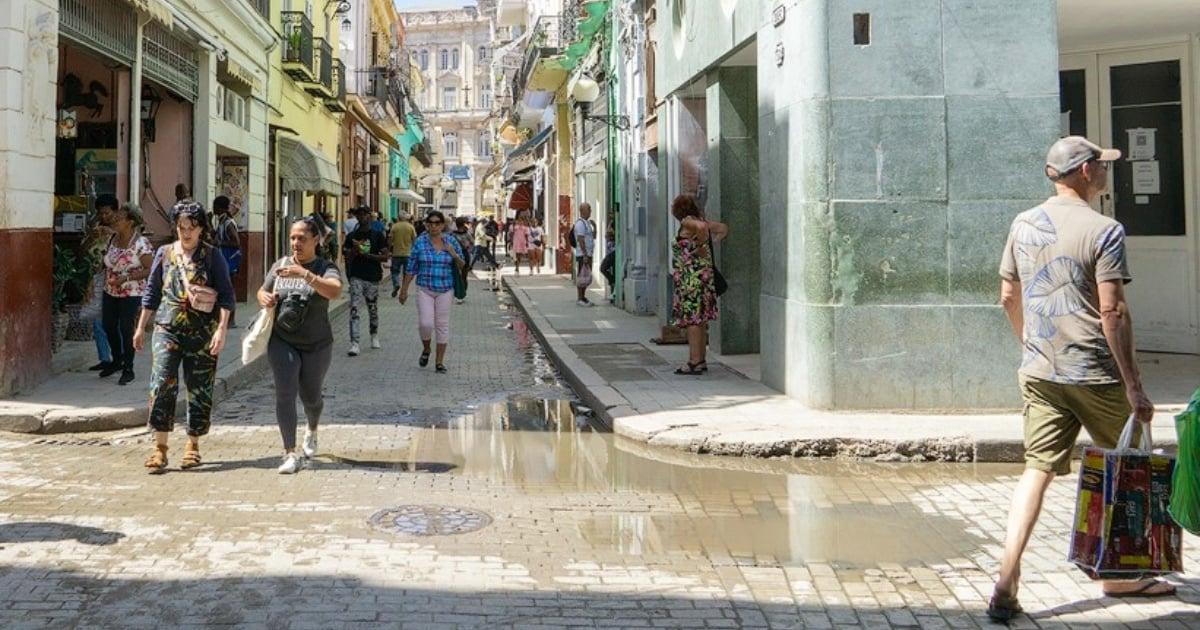
The Cuban economy and public services are reported to be under acute strain because of fuel shortages. Al Jazeera notes that "Cuba can produce only about one-third of its fuel needs and is experiencing widespread power outages and service disruptions: reduced bus and train routes, some hotel closures, restrictions at schools and universities, and a four-day week for many public-sector workers." Travel And Tour World lists similar impacts — schools and universities cutting back, rolling blackouts, and suspended international routes.
El País quantifies the tourism downturn, saying Cuba "earned just $917 million from tourism in 2025 with 1.9 million visitors, a 14% drop from 2024." CubaHeadlines and other local-focused outlets frame the shortages as worsening after the U.S. blocked Venezuelan oil shipments to the island.
Travel disruptions and responses
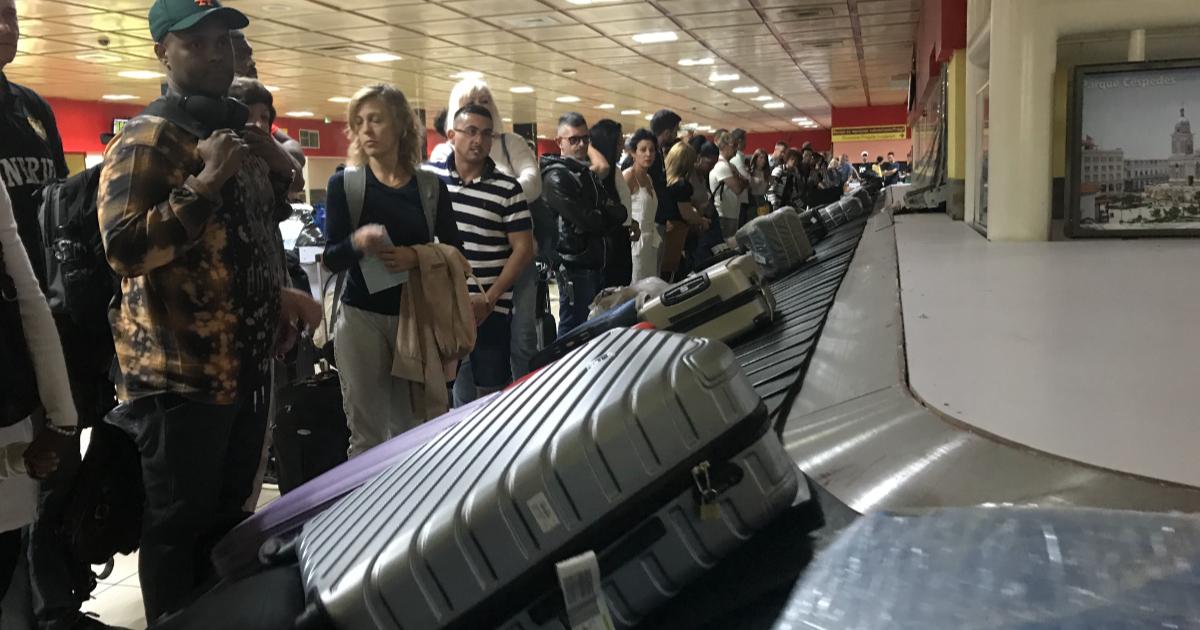
International responses and travel disruptions reflect widening geopolitical and humanitarian concerns. El País reports that Rosaviatsia arranged repatriations and that Rossiya and Nordwind will operate return-only flights. El País also reports that Rosaviatsia warned flights could be suspended after repatriation operations.
“Rossiya and Nordwind (and Aeroflot) are operating return flights from Havana and Varadero while the Russian embassy coordinates with Cuban authorities and Moscow plans humanitarian oil shipments.”
Firstpost, Al Jazeera and Travel And Tour World say major carriers such as Air Canada, Air Transat and WestJet paused services and that Moscow has warned citizens not to travel to Cuba. Travel And Tour World cites the United Nations' alarm, reporting United Nations Secretary-General António Guterres warned of a possible 'humanitarian collapse' if energy needs are not met.
Multiple sources say Russia frames its actions as humanitarian and aims to fill a strategic vacuum. Several outlets report Kremlin officials accusing the U.S. of trying to 'suffocate' Cuba.