Technology and Science13 February, 20262 min read
President Donald Trump Repeals Landmark 2009 'Endangerment Finding,' Eviscerates Federal Authority To Regulate Greenhouse Gases
This article is an automated aggregation of coverage from news outlets. Our editorials offer in-depth analysis curated by the NewsCord team.
EPA rescinded the 2009 endangerment finding that greenhouse gases threaten public health Rescission removes the Clean Air Act legal basis for federal greenhouse-gas regulations

11 outlets told this the same way.
EPA endangerment finding repeal
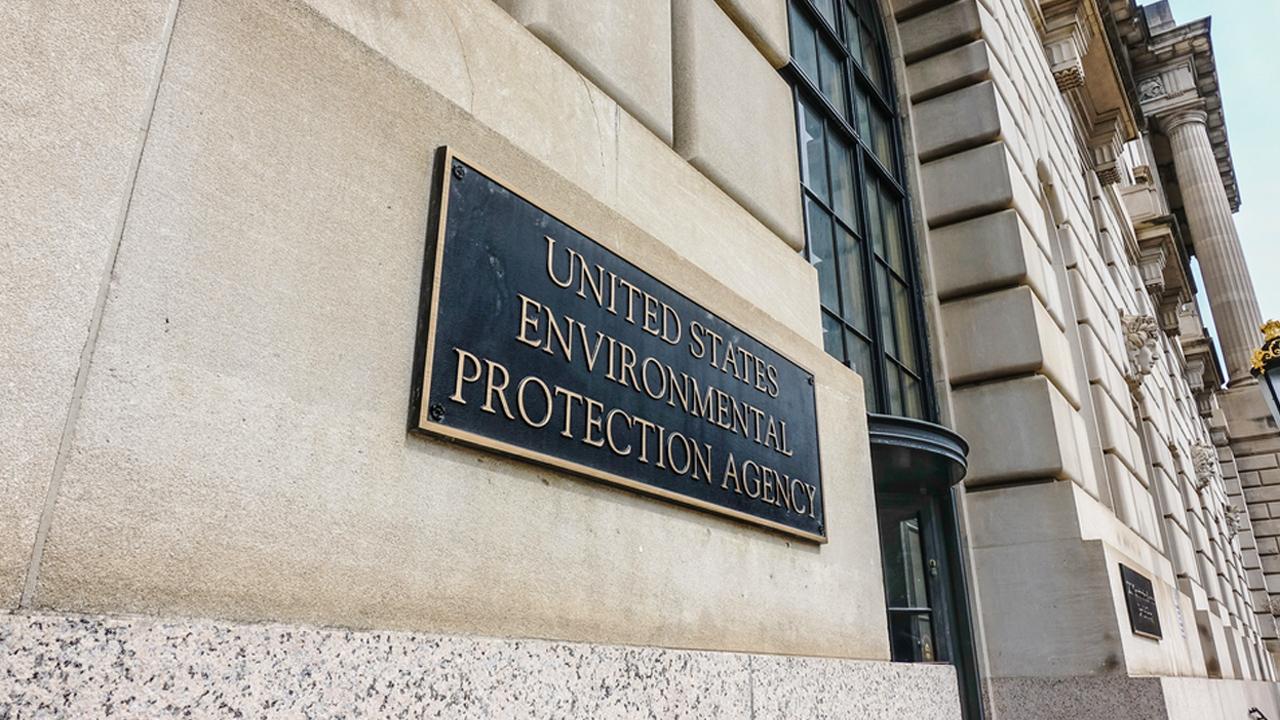
President Donald Trump on Thursday finalized an Environmental Protection Agency rule that rescinds the 2009 endangerment finding, the Obama-era legal determination that six greenhouse gases, including carbon dioxide and methane, endanger public health and welfare and that provided the statutory basis for federal climate rules under the Clean Air Act. The administration announced the move at the White House with EPA Administrator Lee Zeldin and framed it as a sweeping deregulatory victory that removes the legal authority to regulate those gases from vehicles, power plants and other sources. Environmental and public-health advocates immediately condemned the action and said they will pursue legal challenges.
“President Donald Trump revoked the 2009 ‘endangerment finding’ — the Obama-era EPA determination that six greenhouse gases, including CO2 and methane, endanger public health and welfare and provide the legal basis for regulating emissions from cars, power plants, oil and gas facilities, landfills and aircraft.”
Rescinding greenhouse-gas finding
The administration says rescinding the finding removes the legal basis for prior greenhouse-gas rules — notably federal vehicle GHG and engine standards — and will allow the EPA to repeal related compliance programs, reporting requirements and so-called off-cycle credit systems. Agencies and outlets supporting the move framed it as regulatory relief for automakers and consumers.
Some reporting noted the final rule specifically addresses greenhouse gases and not traditional criteria pollutants or air toxics. Opponents warn the change immediately undermines vehicle tailpipe rules and other sectoral limits that had driven fuel-efficiency and emissions reductions for more than a decade.
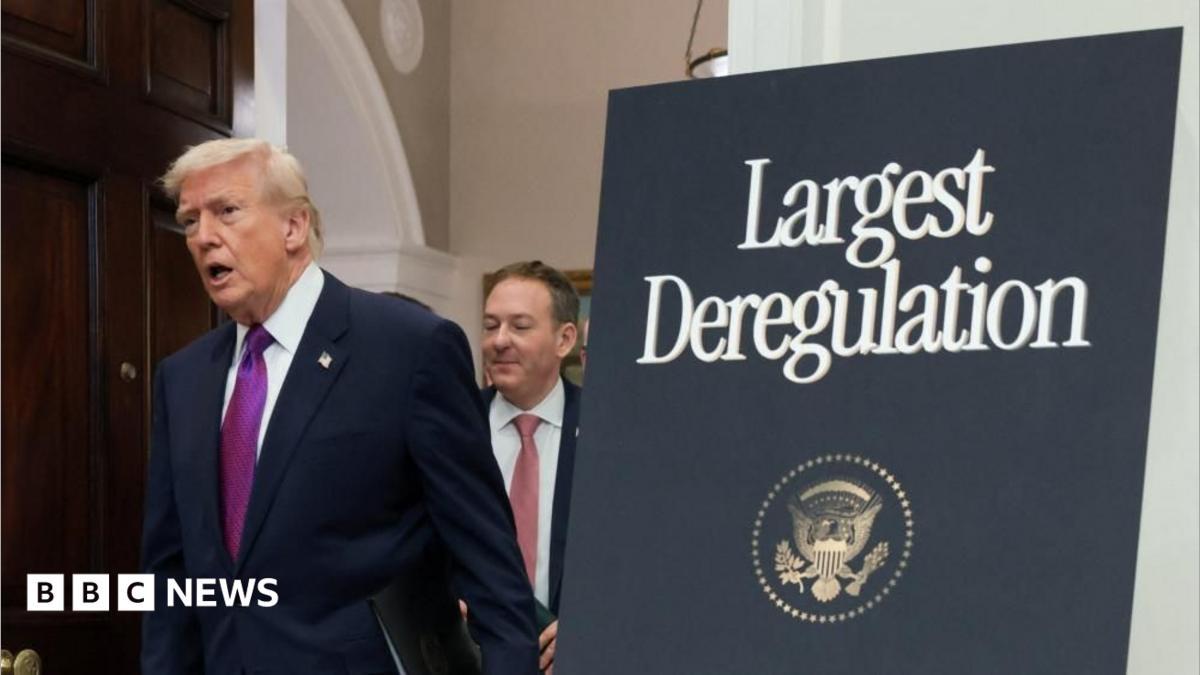
Reactions to the repeal
The White House and EPA touted economic benefits from the repeal, with consistent administration estimates of roughly $1.3 trillion in total savings and per-vehicle reductions in compliance costs, commonly cited as about $2,400 per vehicle. Some outlets reproduced larger or different framings — for example, a per-resident arithmetic in one report.
Observers noted industry support is mixed, with automakers privately welcoming lower mandates but publicly cautious about the market and legal uncertainty. Public comment volumes and hearings underscored the controversy around the rulemaking.
Legal and environmental reactions
Critics and legal experts say the repeal will provoke immediate litigation and undermine longstanding precedents that allowed greenhouse gases to be regulated under the Clean Air Act. Environmental groups announced they would sue, and public-health advocates warned of worse outcomes for air quality and climate.
Some reports noted an irony in the administration's move: it used the finding in the past to prevent stricter state rules while now reversing it at the federal level. Commentators and legal analysts cautioned that reinstating the finding in future administrations would be complex and politically fraught.
Media framing of repeal
Reporting across different source types shows a sharp divide in narrative and emphasis. Western alternative and conservative outlets highlight consumer savings and regulatory relief for automakers and taxpayers. Asian and West Asian outlets foreground the legal and geopolitical implications for U.S. climate policy.
“The Trump administration announced it has repealed the EPA's 2009 ‘endangerment finding’ that greenhouse gases threaten human health, removing the legal basis for federal climate regulations and ending federal greenhouse gas vehicle and engine standards for model years 2012–2027.”
Mainstream international outlets characterize the step as the administration’s most sweeping rollback of climate protections and say it is likely to reshape regulation and spur litigation for years. Each source’s framing reflects different priorities — economic relief, legal doctrine, public‑health risk — and readers should note those emphases when assessing what the repeal will mean in practice.
