
President Donald Trump Says US Nearing Iran Objectives in War
Key Takeaways
- Trump says the US is very close to meeting its Iran objectives.
- Considering winding down Middle East operations; others should guard the Strait of Hormuz.
- Five goals against Iran include degrading its missile capabilities and defense industry.
Trump's War Progress Announcement
President Donald Trump announced on Friday that the United States is 'getting very close' to achieving its objectives in the war against Iran.
“Trump says US 'getting very close' to meeting objectives in Iran, considers winding down military efforts President says Strait of Hormuz must be guarded by nations that use it, not US Istanbul US President Donald Trump said Friday that Washington was nearing the completion of military objectives in Iran, and was considering winding down operations in the Middle East”
The president made this declaration through a post on his Truth Social platform, marking a significant shift in the conflict that began on February 28.

Trump's statement came amid ongoing military operations, with White House spokesperson Karoline Leavitt indicating that the administration had anticipated the campaign would last four to six weeks.
Leavitt noted the operation is now entering its third week, hinting that the military campaign may end in as soon as a week.
However, a US official told Axios that Trump's post did not signal an immediate end to the war, suggesting strikes would continue for 'a couple of weeks'.
Trump's Five War Objectives
Trump outlined five specific objectives that he claimed the US was close to completing in its military campaign against Iran.
These goals included entirely degrading Iranian missile capabilities and destroying Iran's defense industrial base.

Trump also listed dismantling Iran's navy and air force with their air defenses as objectives near completion.
The president stated preventing Iran from nearing nuclear capability as another key goal being achieved.
Trump also mentioned protecting US Middle Eastern allies as part of the military objectives.
He addressed the Strait of Hormuz, stating it would need to be 'guarded and policed' by nations that relied on it for oil rather than the United States.
Trump suggested Washington would help if asked but indicated such assistance would be unnecessary 'once Iran's threat is eradicated'.
Military Buildup and Progress Claims
Despite Trump's indications of winding down operations, the United States has continued to build up its military presence in the region.
“Skip to main content Updated 2 hours ago - World Trump considers "winding down" Iran war without opening Hormuz Strait Barak Ravid, Marc Caputo, Dave Lawler email (opens in new window) sms (opens in new window) facebook (opens in new window) twitter (opens in new window) linkedin (opens in new window) bluesky (opens in new window) Add Axios as your preferred source to see more of our stories on Google”
Additional ships and Marines have been deploying to the Middle East, a move that does not signal an approaching end to the military campaign.
US Defense Secretary Pete Hegseth reinforced the administration's aggressive stance, declaring 'We're hunting and striking death and destruction from above.'
Hegseth asserted that Iran's air defense had been 'flattened' and provided specific metrics of progress.
He claimed Iranian ballistic missile attacks on US forces had decreased 90% since the start of Operation Epic Fury.
The same 90% reduction was also reported for Iran's one-way attack drones according to Hegseth.
Data from Israel's Institute for National Security Studies corroborated this assessment, showing daily waves of Iranian attacks on Israel dropped precipitously after the war began.
Iran's Victory Claims and Warnings
Iran has responded to Trump's announcements with its own claims of victory and warnings against regional aggression.
Mojtaba Khamenei, who succeeded his father Ali Khamenei after the latter's death in a US-Israeli airstrike, claimed victory in a message marking the Persian New Year, Nowruz.

Khamenei stated, 'At the moment, due to the particular unity that has been created between you our compatriots, the enemy has been defeated.'
He described US and Israeli attacks as an illusion aimed at overthrowing Iran's government.
Khamenei accused them of plotting attacks in Turkey and Oman to sow divisions among regional nations.
Iran's military issued a stern warning to the United Arab Emirates against allowing attacks from its territory on two disputed islands near the Strait of Hormuz.
The military stated Iran's armed forces would subject Ras Al Khaimah to 'heavy strikes' if any further aggression originated from UAE territory against the Iranian islands of Abu Musa and Greater Tunb.
Domestic Reactions and Funding Concerns
Domestically, Trump's war announcement has sparked significant political and economic reactions.
Senate Democratic Leader Chuck Schumer strongly criticized the potential cost of the conflict.

Schumer stated that a $200 billion funding request for the Iran war 'will never happen' if sent to Congress.
He called the figure 'a preposterous and dangerous risk' and emphasized that 'even a fraction of $200 billion is unacceptable for a war without a plan, without an endgame, and without the support of the American people.'
While the Pentagon has sent a $200 billion request to the White House, it has not yet sent an official request to Congress.
Republicans would need some Democratic support to pass funding in the Senate.
A Reuters/Ipsos poll revealed that 55% of Americans said the war's effect on gas prices had impacted their overall finances.
Strategic Implications for Hormuz
The strategic implications of Trump's potential withdrawal from the Strait of Hormuz situation remain complex and potentially destabilizing.
While Trump suggested that other nations should take responsibility for securing the vital waterway, he acknowledged that Washington would help if asked.
Trump insisted such assistance would be unnecessary once 'Iran's threat is eradicated'.
The president characterized the security operation as 'a simple military maneuver' that would be easy for other countries to carry out.
British ministers have already agreed to allow the US military to use UK bases in operations to prevent Iran attacking ships in the Strait of Hormuz.
This indicates that Western powers remain deeply involved in the strategic calculus of the region despite Trump's public statements.
The continued blockage of the Strait, a critical shipping route for global energy markets, has left energy markets shaken and created significant economic uncertainty worldwide.
More on Iran
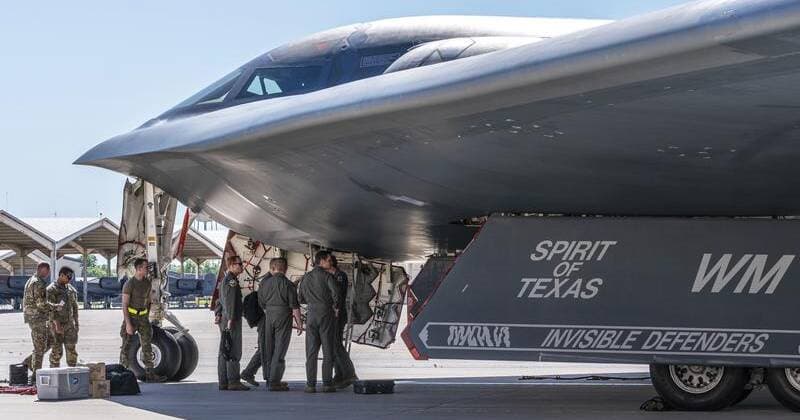
Iran Launches Ballistic Missiles at US-UK Diego Garcia Base in Indian Ocean
49 sources compared
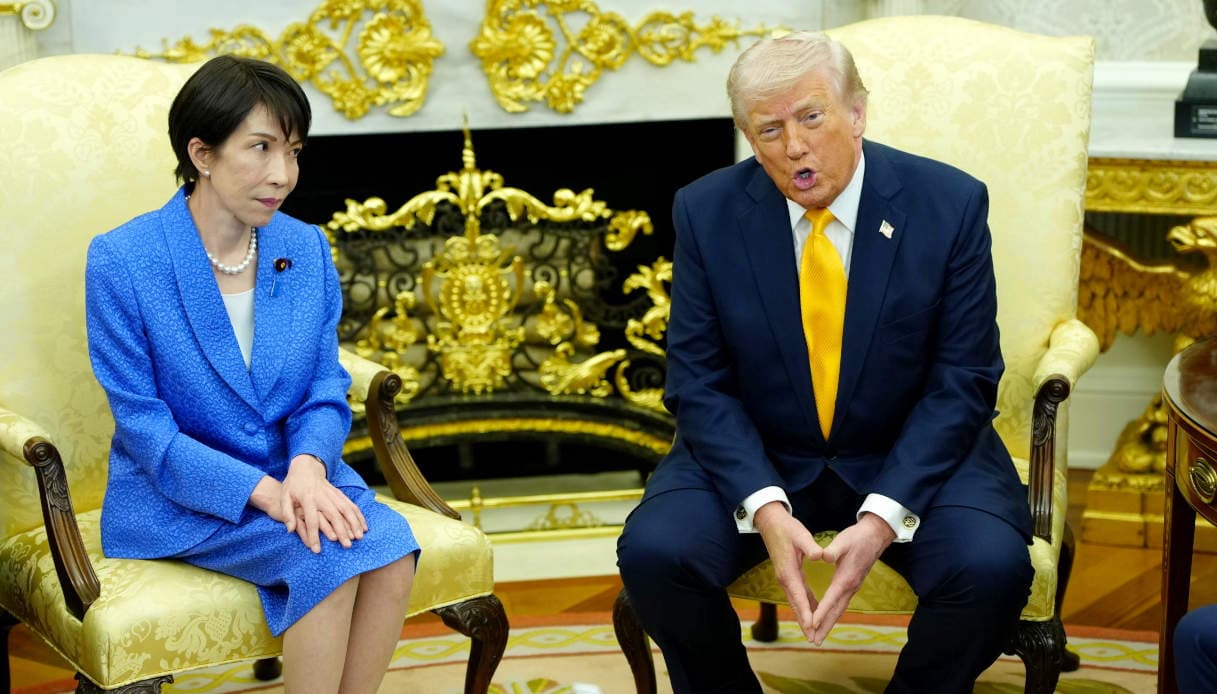
Trump Defends Iran War by Citing Pearl Harbor
12 sources compared

Israel's Defense Minister Warns Israel and United States Will Intensify Attacks on Iran
125 sources compared

Iran Threatens Worldwide Attacks on Tourist Sites
11 sources compared