Iran-Israel12 February, 20262 min read
President Donald Trump Threatens Iran With "Very Traumatic" Outcome if Nuclear Deal Fails
This article is an automated aggregation of coverage from news outlets. Our editorials offer in-depth analysis curated by the NewsCord team.
President Donald Trump warned Iran of 'very traumatic' consequences if nuclear talks fail. President Donald Trump insisted Iran nuclear negotiations continue, hoping for a deal within a month.
17 outlets told this the same way.
Outlets did split on U.S. Intercepts Iran Message Activating Sleeper Cells After U.S.-Israel Strike Kills Khamenei →
President Donald Trump Iran talks
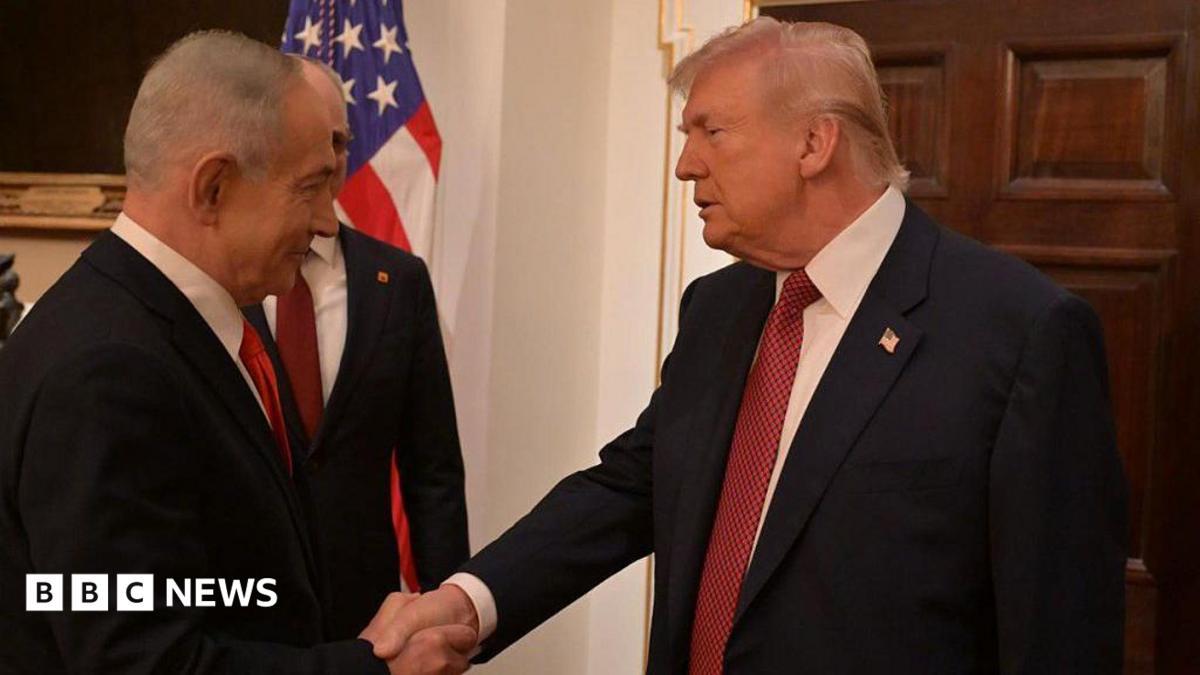
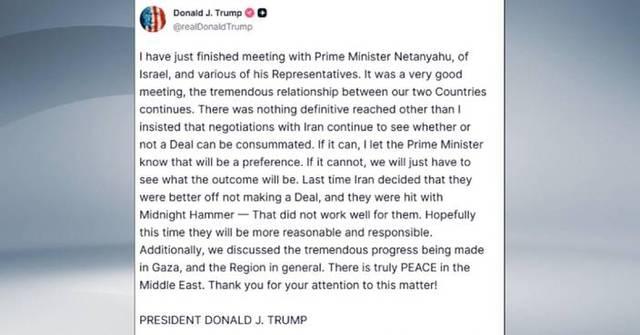
President Donald Trump warned that failure to reach a U.S. nuclear deal with Iran would produce a "very traumatic" outcome for Tehran. He said talks had been "very good" after a White House meeting with Israeli Prime Minister Benjamin Netanyahu, and he held out hope a deal could be struck "over the next month."
“President Donald Trump warned Iran that failing to reach a nuclear deal with the U.S. would bring a ‘very traumatic’ outcome for Tehran, saying ‘they should have made a deal the first time, and they got Midnight Hammer instead.’”
 WION
WIONHe signalled the U.S. could respond with stepped-up pressure if negotiations fail, including military options, while also saying any agreement must be "very fair" and ultimately would be his decision to approve. This account draws on reporting that quotes Trump's public remarks and situates them alongside his White House meeting with Netanyahu.
Trump's Iran deal stance
Trump repeatedly described the parameters he wants from a deal: he said a workable pact would mean "no nuclear weapons, no missiles," insisted Iran "wants to make a deal very badly," and stressed that any agreement must be "very fair." He used public statements and social-media posts to underline that negotiating teams should continue talks while also warning of consequences if Tehran fails to secure acceptable terms. These remarks combine insistence on non-proliferation and missile limits with an explicit presidential cue that approval rests with him.
Netanyahu's White House push
Israeli Prime Minister Benjamin Netanyahu’s White House visit was presented as part of a pressure campaign. Netanyahu pressed for a harder line and insisted any pact must address Iran’s ballistic missiles and support for armed groups, even as Trump voiced personal support for him.
“Netanyahu gave cautious support, suggesting Trump may be creating conditions for a deal.”
Some outlets reported Netanyahu’s push as cautious and focused on Israel’s security conditions, while other analysts described his demands as "maximalist", and the sources therefore conflict on how to characterize his position. The meeting tied Israel’s security agenda to U.S. diplomacy and exposed differences over how broad a new deal should be.
Iran talks and unrest
Iran’s responses and domestic situation are reported differently across sources. Iranian officials are quoted as rejecting a widening of negotiations beyond the nuclear program and denying any intent to build a nuclear weapon, while insisting they will not accept what they call "excessive demands." Other sources note Tehran remains open to talks.
Analysts say the regime is politically weakened after mass protests and recent strikes. Tehran’s leaders are also reported warning that a U.S. attack could spark a wider regional war. These diverging emphases reflect contrasting portrayals of Iranian flexibility and vulnerability.

Military posture and diplomacy
The region’s military posture and the outcome of diplomacy remain uncertain. Multiple sources report the U.S. has already used limited strikes and is considering reinforcing carrier strike groups as leverage. Trump warned of a tougher "phase two" if talks fail, while several outlets stress he says he prefers a negotiated settlement.
“Trump warned of strikes if Iran does not curb its nuclear program and the killing of protesters, saying he is considering sending a second carrier strike group.”
Analysts caution that an emphasis on speed or presidential prerogative could produce compromises on ballistic missiles, proxies or verification. Overall coverage diverges on whether the immediate future is closer to de‑escalation via a new deal or to coercive escalation if talks falter.