Iran27 February, 20262 min read
President Donald Trump Threatens Military Strike on Iran Amid Frustration With Nuclear Talks
Voiced displeasure with Iran’s nuclear negotiators and said military force could be used Deployed substantial U.S. military forces and naval assets to the Persian Gulf region

19 outlets told this the same way.
Trump on Iran talks
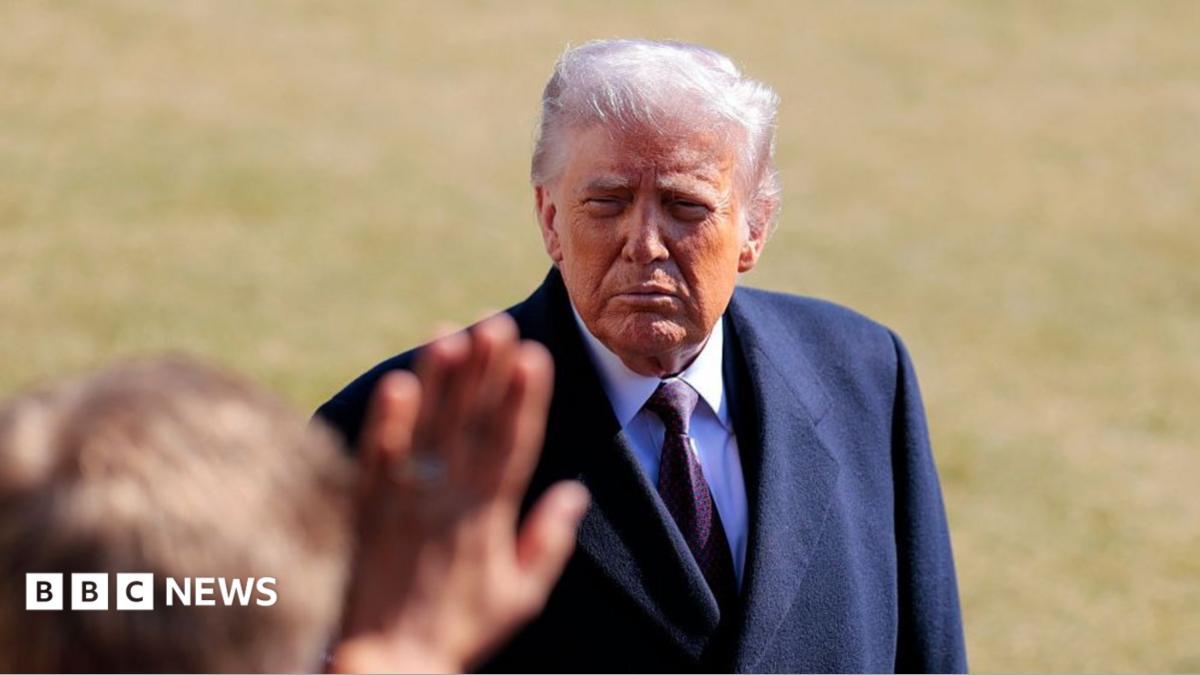
President Donald Trump publicly expressed frustration after recent Geneva nuclear talks with Iran and said he had not yet decided whether to order military strikes. He reiterated that the United States' core demand remains that Iran "must not obtain nuclear weapons." He framed the diplomatic process as unsatisfactory, saying Iran was "not saying those golden words" and that negotiations "weren't good."
“US President Donald Trump said he was unhappy with Iran’s performance in recent nuclear talks and reiterated that Washington’s core demand remains that Iran must not obtain nuclear weapons, but he has not decided on possible military action.”
He acknowledged that military action would carry risks. Several reports convey this mix of threat and restraint. Trump stressed he prefers diplomacy but left military options on the table and reiterated U.S. insistence that Tehran must not acquire a bomb.
Trump administration military pressure
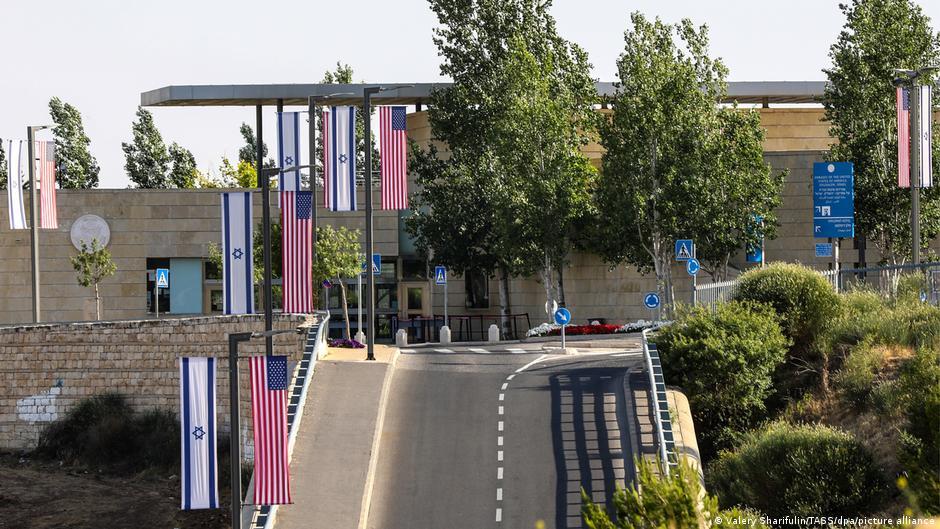
The Trump administration paired verbal threats with a sizeable U.S. military buildup in the region and public signalling of readiness to act, prompting travel warnings and limited evacuations. Media accounts said Washington moved carrier strike groups and described a massive naval presence — an 'armada' — while governments urged families and non-essential staff to leave some posts.
The U.S. authorised departures of non-essential staff, and several countries temporarily pulled or warned embassy personnel. Officials presented military pressure alongside the possibility of economic incentives if Iran agreed to limits.
Negotiations and diplomatic reactions
Gulf mediators and some Iranian negotiators described substantive progress in talks and offered contrasting accounts they called significant. Oman’s foreign minister Badr Albusaidi said negotiators had reached "significant" breakthroughs. Albusaidi said those breakthroughs included claims that Iran would never possess weapons‑grade material, would blend down enriched uranium, and would grant the IAEA access.
“Oman’s foreign minister, Badr Albusaidi, who mediated the talks, said significant progress had been made: he claimed Iran agreed to never possess weapons-grade nuclear material, to blend down enriched uranium into fuel, and to grant the IAEA full access to verify compliance, and he expressed hope this would avert U.S. strikes. Albusaidi flew to Washington to press the case to U.S. officials, including briefing Vice-President JD Vance.”
Oman dispatched Albusaidi to Washington to press the case to U.S. officials. Iran’s negotiator Abbas Araghchi described "good progress." These diplomatic signals sit alongside Washington’s scepticism about whether such commitments would be verifiable or comprehensive.
U.S. demands on Iran
U.S. demands extend beyond preventing a revived enrichment program. American officials are pressing Iran to refrain from rebuilding a nuclear-weapons capability, to curb ballistic-missile efforts, and to cut backing for regional proxies such as Hezbollah and the Houthis.
Observers note that recent U.S. and Israeli strikes last year set back parts of Iran’s program. Those strikes also blocked IAEA access at multiple targeted sites, leaving verification gaps that heighten Washington’s security concerns and complicate any deal.

Risk of regional escalation
Trump acknowledged military action would carry risks, including wider conflict. Tehran says it is not seeking a bomb, calls U.S. claims lies, and has vowed forceful retaliation if attacked.
“Iran says many US demands are unrealistic, insists its enrichment is for civilian energy, and has warned of retaliation.”
Governments and citizens are reacting to the peril by issuing travel warnings, temporarily withdrawing staff, and weighing evacuation. Diplomats continue shuttle diplomacy through Oman amid uncertainty over whether reported progress can prevent escalation to strikes or a wider regional war.