
President Donald Trump threatens to obliterate Iran's energy infrastructure after 48-hour Strait of Hormuz deadline.
Key Takeaways
- Trump set a 48-hour deadline to reopen the Strait of Hormuz.
- He threatened to obliterate Iran's energy infrastructure if not complied.
- Attacks on Iran's power plants were postponed as talks continued.
Initial Ultimatum Issued
President Donald Trump issued a 48-hour ultimatum to Iran demanding the reopening of the Strait of Hormuz.
Trump threatened to 'obliterate' the country's power plants if the demand was not met.

The narrow strait carries approximately 20% of the world's oil and had been effectively blocked by Iran.
Trump made the threat public through a post on Truth Social.
The ultimatum came amid heightened tensions in the Persian Gulf region.
Iranian Retaliation Warnings
In response to Trump's aggressive threat, Iran escalated its rhetoric and issued multiple warnings of potential retaliation.
Tehran threatened to escalate strikes on energy infrastructure and target critical water desalination facilities.
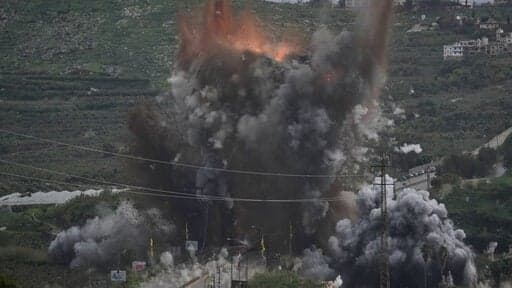
The Islamic Revolutionary Guard Corps (IRGC) threatened to strike electrical plants in the Middle East that are powering U.S. bases.
Iran's Defense Council warned that any U.S. land invasion would result in deploying naval mines across the 'entire Persian Gulf.'
These threats effectively warned of complete shutdown of the vital waterway.
Deadline Postponement Dispute
Facing the approaching deadline and amid mounting international pressure, President Trump announced a sudden postponement of his military threat.
“28, Trump said earlier today that the U”
Trump claimed to have had 'good and productive conversations' with Iran over the weekend.
He extended his deadline from Monday evening to a five-day period ending Friday.
Iranian officials immediately disputed Trump's account of productive negotiations.
Iran's parliament speaker insisted 'no negotiations have been held with the U.S.'
Iranian state media claimed Trump had 'retreated' from his deadline 'out of fear of Iran's response.'
International Diplomatic Response
The crisis triggered widespread international concern and diplomatic activity as global leaders sought to de-escalate tensions.
The European Council called for 'a moratorium on strikes against energy and water facilities,' urging 'de-escalation and maximum restraint.'
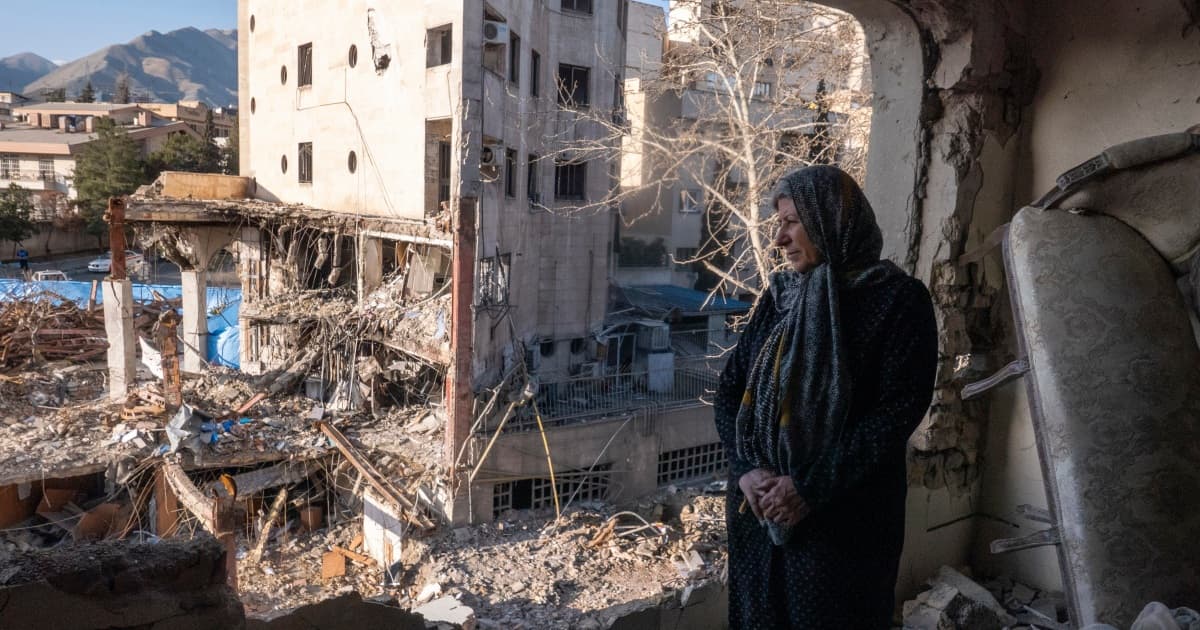
The chokehold on oil and gas transit via the Strait of Hormuz had prompted energy prices to soar in recent days.
British Prime Minister Keir Starmer expressed cautious optimism about Trump's update on potential talks.
Starmer emphasized the need for 'tough conditions on Iran, particularly in relation to nuclear weapons.'
He warned against 'false comfort' in expecting a quick resolution to the conflict.
Escalating Military Actions
Amid the diplomatic maneuvering, military actions continued to escalate in the region.
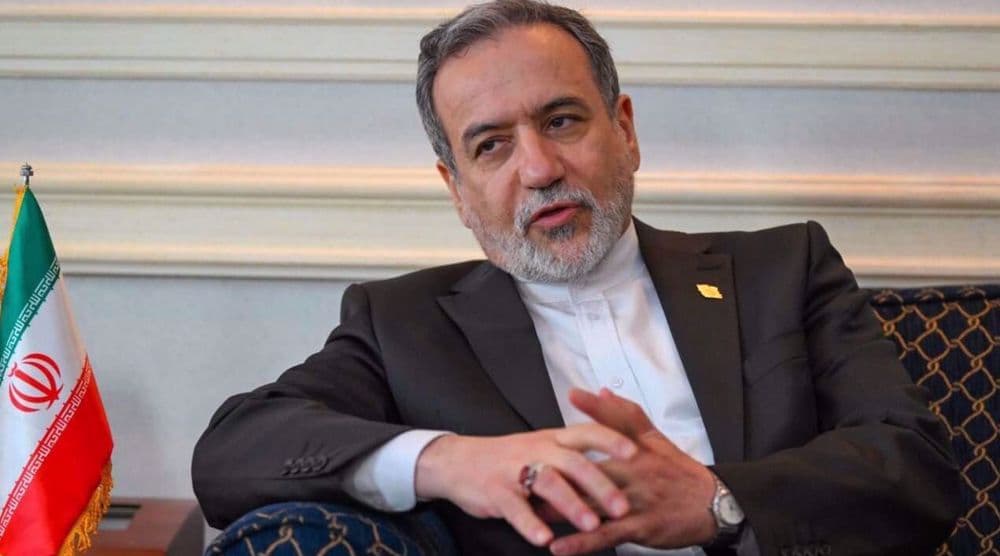
“He further warned that freedom of navigation must be accompanied by freedom of trade, saying, recognize Iran’s right to both of them, or you will be deprived of them as well”
Saudi Arabia's Defense Ministry reported destroying at least 19 drones in the kingdom's oil-rich Eastern Province.
Kuwait's energy ministry confirmed that seven high-voltage power lines were damaged by shrapnel from air defense operations.
In Iraq, a Popular Mobilization Forces commander was killed in an airstrike targeting its command headquarters.
The group accused the U.S. of carrying out the strike.
Concerns mounted over escalating costs, with the Pentagon requesting $200 billion to fund the Iran war.
The request faced criticism from lawmakers including Republican Representative Lauren Boebert who opposed 'war supplementals.'
More on Iran

President Trump Delays Strikes on Iran's Nuclear Plants for Five Days Amid Talks.
21 sources compared

President Trump says talks underway to end war with Iran; Iran denies talks.
15 sources compared
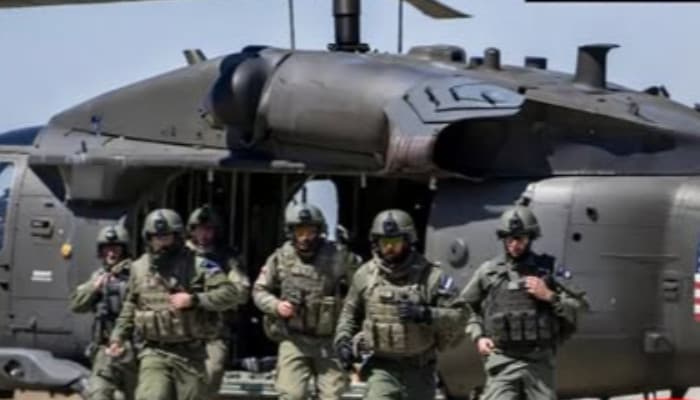
US to deploy thousands more soldiers to the Middle East
64 sources compared

President Trump Says Iran Offered Deal; Pakistan Is Ready to Host US-Iran Talks
27 sources compared