Business21 February, 20262 min read
President Donald Trump Vows 15% Tariffs on Goods Entering the US
Supreme Court ruled 6–3 that President Trump exceeded authority using IEEPA to impose broad tariffs Decision voided most IEEPA-based tariffs while preserving tariffs under other statutes, notably Section 232
24 outlets told this the same way.
Outlets did split on CATL Starts Trial Production at Debrecen Battery Cell Plant in Hungary →
Court ruling and tariff pivot
The U.S. Supreme Court invalidated large parts of the Trump administration’s tariff program by ruling that the International Emergency Economic Powers Act (IEEPA) did not authorize broad import duties.
“The Supreme Court, in a 6–3 decision, ruled that the Trump administration exceeded its authority by using the 1977 International Emergency Economic Powers Act (IEEPA) to impose broad import tariffs.”
The court’s 6–3 decision found the administration exceeded its authority under IEEPA.
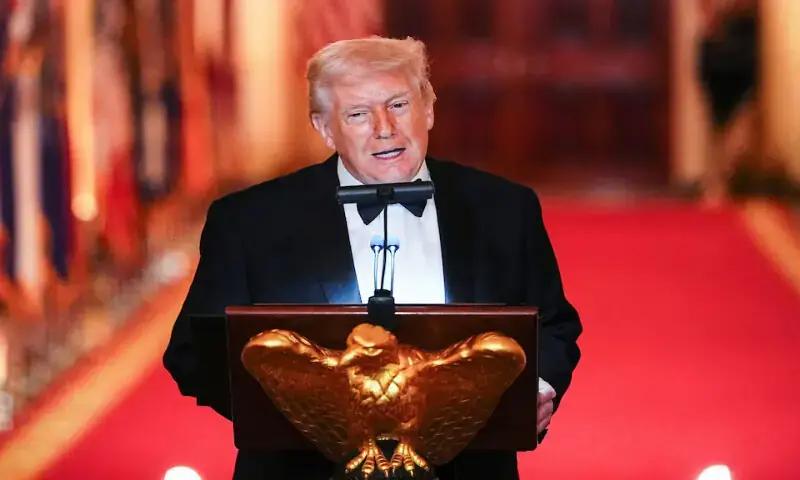
President Trump responded by announcing a 15% global tariff under a different authority.
The White House moved quickly to adopt a short-term, uniform surcharge that the administration says is permitted under another statute and capped at 15%.
Several sources describe the move as an administrative pivot designed to preserve trade leverage while new, legally targeted investigations are pursued.
Emergency tariff ruling
The ruling narrowed the executive branch’s ability to use emergency powers to impose general tariffs, prompting rapid administrative changes and raising questions about refunds for duties already collected. Several outlets reported that customs authorities deactivated tariff codes tied to IEEPA orders and that litigation over repayments is already underway. Legal analysts and businesses are watching for administrative guidance and court decisions on reliquidation and refund claims, with some commentaries estimating large potential repayment exposure.
15% surcharge overview
The new 15% surcharge is temporary, uniform and carries an explicit 150-day statutory window. Administrations and analysts say that window will be used to open more targeted Section 301 investigations and other country- or sector-specific measures. Governments and businesses have noticed a range of carve-outs in the proclamation.
“Section 122 surcharges are capped at 15%, must be applied uniformly (not country-specific), and last up to 150 days unless Congress acts.”
Many reports list exemptions for pharmaceuticals, critical minerals, energy products and USMCA-originating goods. Other sectors (e.g., items already covered by Section 232 national-security measures) remain subject to separate rules.
Reactions to ad valorem surcharge
Businesses and markets have reacted to both legal uncertainty and the new ad valorem surcharge. Companies including Costco and Learning Resources have already pursued litigation seeking rebates. Analysts warn of competitiveness losses for exporters.
Markets showed immediate responses in currency and equity moves. Trade lawyers and importers are preparing administrative refund claims and parallel litigation. Investors and foreign governments are watching for shifts in negotiating leverage.
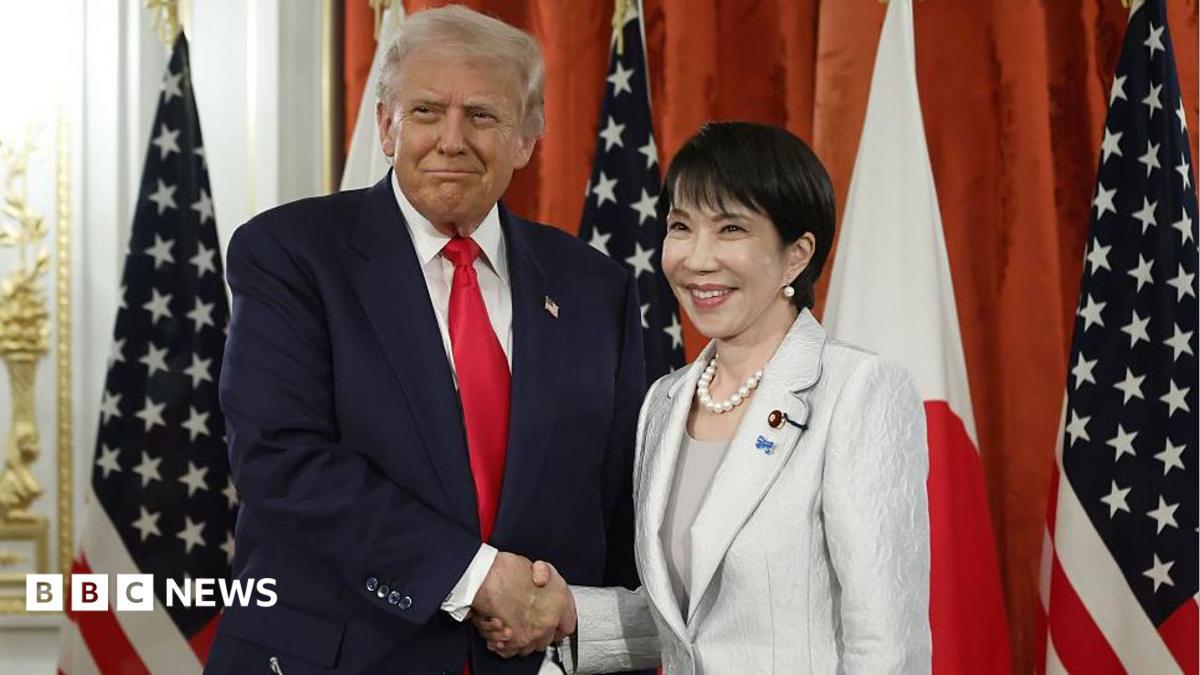
Surcharge effects on trade
Observers warn the ruling and the 15% surcharge are reshaping bargaining dynamics ahead of key talks and complicating bilateral and multilateral deals. Reports say the move has affected negotiations with India, the EU and several Southeast Asian countries.
“Lawyers expect Washington to use the 150‑day window while the 15% tariffs are in force to open fresh Section 301 investigations and seek new findings to reinstate reciprocal tariffs, potentially forcing adjustments to bilateral agreements.”
Lawyers predict Washington will use the 150-day window to open fresh Section 301 probes and seek new legal findings. Governments such as China, the UK and Canada publicly cautioned about protectionism or sought assurances that previously negotiated deals would be respected.