President Karol Nawrocki Blocks €43.7 Billion in EU Weapons Aid, Jeopardizing Poland's Security
Key Takeaways
- Vetoed law blocking €43.7–€44 billion in EU defense loans to Poland
- Prioritized financial security over fast EU weapons loans, rejecting foreign-dependent decisions
- Financial experts warn the veto risks a major Polish defense crisis
Veto and blocked funding
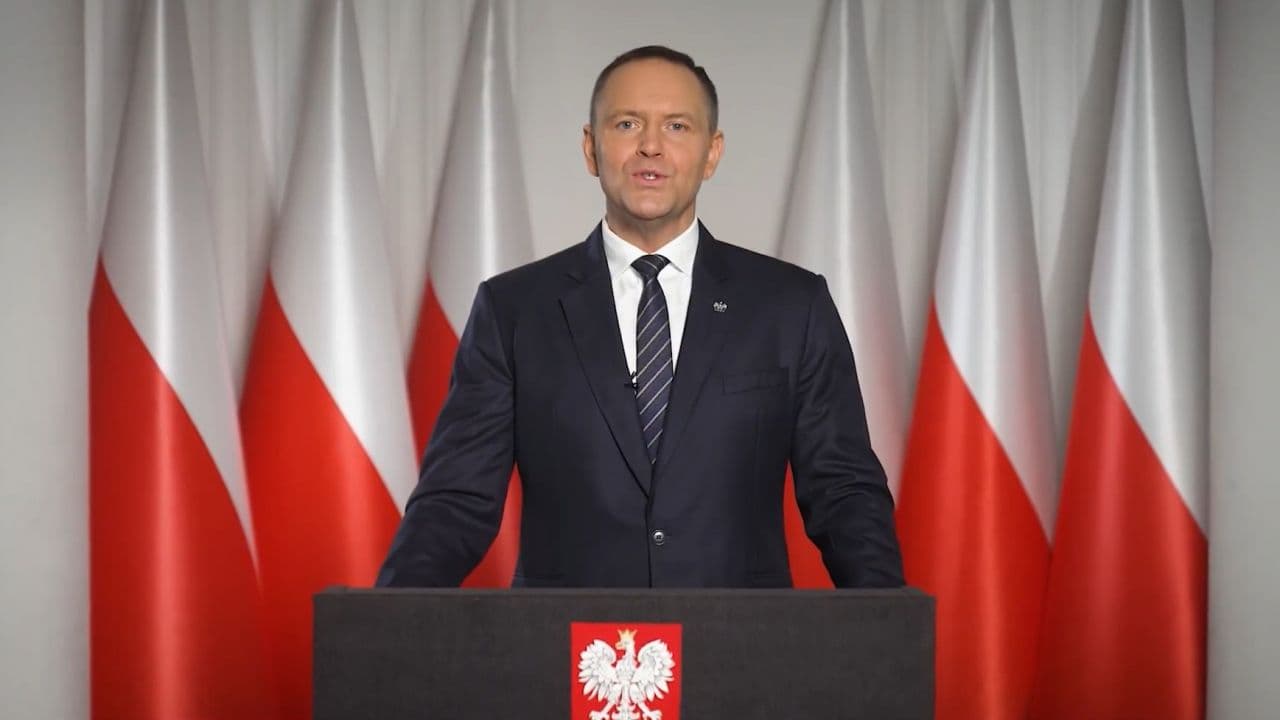
President Karol Nawrocki has vetoed legislation that would have allowed Poland to access €43.7 billion (often cited as nearly €44 billion) from the EU’s SAFE armaments scheme, effectively blocking the largest single allocation in the programme and putting planned defense financing on hold.
“Poland could receive billions from Brussels for weapons — but the president is holding it back”
RBC-Ukraine reports that “Polish President Karol Nawrocki has blocked €43.7 billion earmarked for Poland’s rearmament,” TVP World states “President Karol Nawrocki has said he will veto legislation allowing Poland to tap nearly €44 billion in EU defense loans,” and DIE WELT summarises the move noting “Karol Nawrocki has stopped, by veto, a law that would have secured his country billions from an EU armaments program.”
Sovereignty and fiscal rationale
Nawrocki framed the veto as a defence of sovereignty and fiscal prudence, arguing that Poland must not become financially dependent on Brussels and that the loans would saddle future generations with debt.
TVP World quotes him saying “Poland’s security ‘cannot depend on foreign decisions,’” and that he would “never approve a law which is harmful to our sovereignty or to our economic and military independence.”
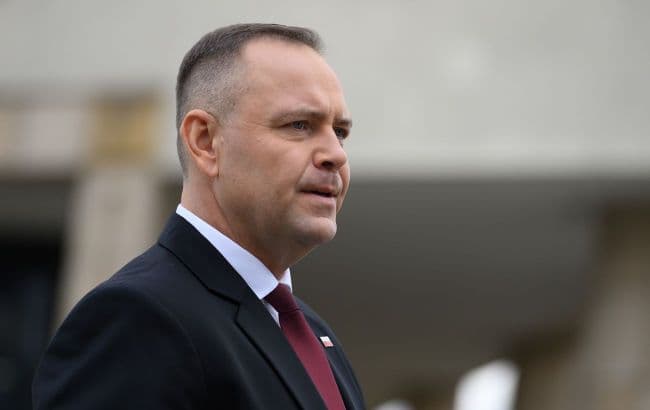
RBC-Ukraine reports he “chose ‘financial security’ over fast EU loans for weapons” and “the president insists he is saving the country from financial slavery,” while DIE WELT records Nawrocki’s rhetoric that “Poland’s security must not depend on foreign decisions” and his broader nationalism: “Only a people that can take care of its own security remains truly free.”
Security risks and fallout
The government and analysts warn the veto risks concretely undermining Poland’s defence modernisation by removing funding for urgent contracts and slowing upgrades to air defence and armoured vehicles.
“Politics Polish president vetoes plan to tap €44 billion in EU defense loans Edited by: Sion Pennar Karol Nawrocki said Poland’s security ‘cannot depend on foreign decisions”
RBC-Ukraine highlights that blocking the money “puts at risk: - Urgent contracts: Some defense procurement contracts planned for 2026–2027 now lack financial backing. - Modernization pace: Poland risks falling behind on air defense and armored vehicle upgrades.”
TVP World reports Prime Minister Donald Tusk and cabinet officials reacted sharply, with Tusk calling the veto a failure to act “like a patriot” and the interior ministry saying police and border services lose out on more than 7 billion zlotys; DIE WELT notes the government’s view that “more than 80 percent of the funds would be put into contracts for Polish defense companies and that 12,000 domestic firms would benefit.”
Alternative financing plan
Nawrocki has simultaneously proposed an alternative financing plan — dubbed “Polish SAFE 0%” or “Safe 0 Percent” — that would try to fund rearmament by using National Bank reserves and gold-related operations instead of EU loans; supporters cast it as preserving sovereignty while critics call it risky.
DIE WELT explains Nawrocki “presented an alternative plan called ‘Safe 0 Percent’ together with National Bank chief Adam Glapinski” that “foresees financing a defense program of roughly the same size, interest-free, from the foreign exchange and gold reserves of the National Bank.”
TVP World quotes Nawrocki: “'Polish SAFE 0% means zero dependence and 100% sovereignty,' Nawrocki claimed,” while also recording sceptical voices such as Foreign Minister Radosław Sikorski who called it “speculation on the price of gold.”
RBC-Ukraine’s coverage of the veto underlines the fiscal concerns that the president cited, including warnings that the EU loans’ “Debt burden: The loan would have had to be repaid over 45 years” and “High interest: Total interest payments could reach 180 billion zlotys.”
Political context and stakes
The veto deepens a wider political standoff in Warsaw between Nawrocki and Prime Minister Donald Tusk’s government and reflects broader Eurosceptic pressure from the right; commentators warn the dispute both politicises defence procurement and could leave Poland with less-coordinated security planning.
“Poland’s security takes hit”
DIE WELT frames the dispute as “emblematic of the standoff in Warsaw since Nawrocki’s 2025 election,” noting that PiS figures like Jaroslaw Kaczynski have campaigned against SAFE with nationalist, Germany‑hostile rhetoric — “They are proposing to put Poland under a German boot, and we reject that German boot,” Kaczynski said.
TVP World records the tally of presidential blocks: “Since assuming office last August, Nawrocki has vetoed 28 government bills—outpacing his PiS-backed predecessor Andrzej Duda,” while RBC-Ukraine highlights the immediate political clash as “Prime Minister Donald Tusk’s government warns of a threat to national security.”
More on Europe

Unknown Attackers Kill French Soldier in Erbil, Macron Says
11 sources compared

Unidentified Attacker Plants Explosive at U.S. Embassy Entrance in Oslo; Oslo Police Investigate Possible Terrorism
12 sources compared

U.S. and Israel Kill Iran's Supreme Leader, Trigger Regional War
49 sources compared
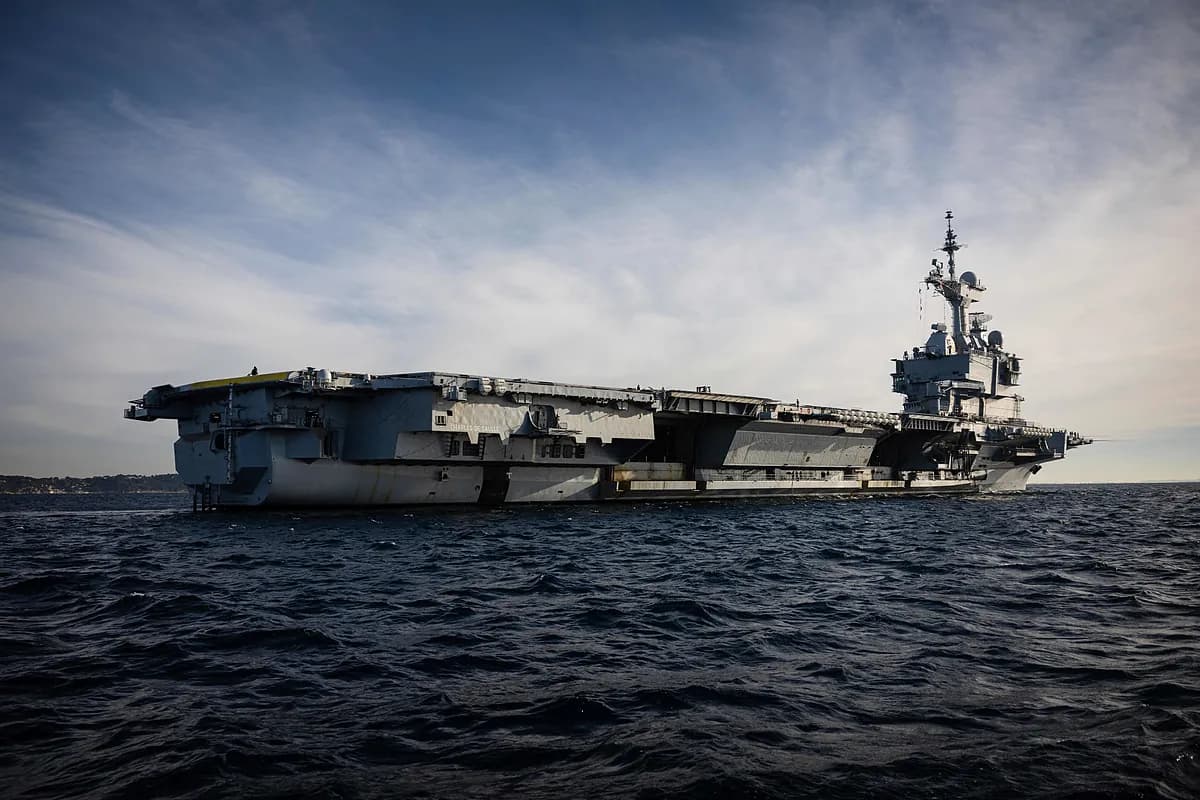
France Deploys Warships To Eastern Mediterranean After Drone Strike On Cyprus
11 sources compared