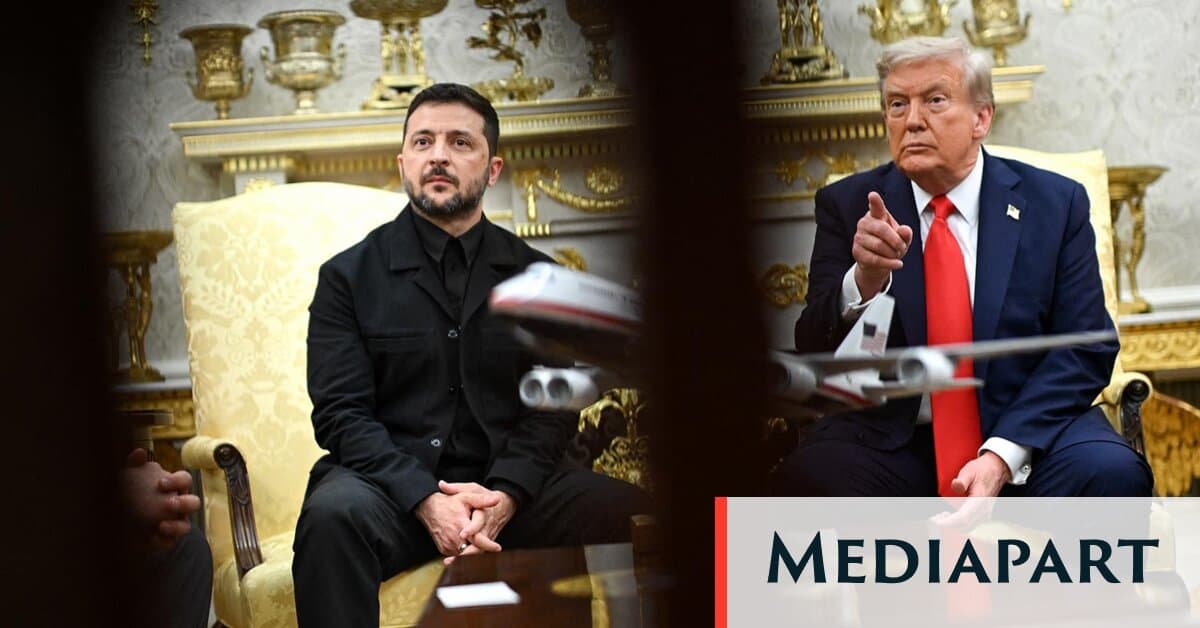
President Trump and President Zelensky Meet in Florida to End Ukraine War, No Breakthrough
Key Takeaways
- Zelensky and Trump planned a meeting to end the Ukraine war.
- No concrete progress toward a ceasefire reported.
- Discussions framed as diplomacy and defense toward ending the war.
Florida Meeting Fails
President Trump and Ukrainian President Volodymyr Zelensky met in Florida for crucial negotiations aimed at ending the Ukraine war.
“Donald Trump and Volodymyr Zelensky, at a previous meeting at the White House on October 17”
No breakthrough was achieved during the high-stakes discussions.
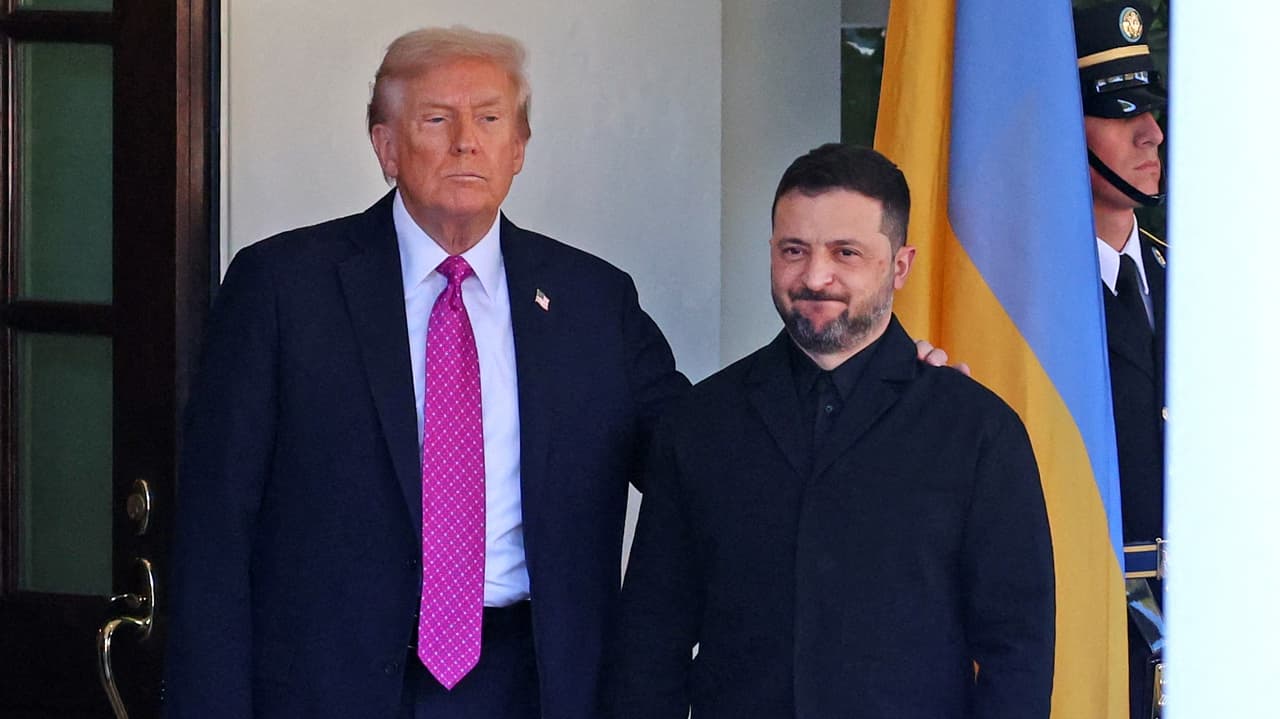
The meeting occurred amid ongoing Russian military advances and deep divisions between the Ukrainian and American presidents.
Zelensky emphasized that Russia should not be 'rewarded' for the war it waged.
Trump maintained his position that Ukraine should renounce Crimea and joining NATO as prerequisites for any settlement.
The lack of progress left the international community concerned about the future of the conflict.
European leaders were particularly anxious about being excluded from negotiations that directly impact continental security.
Core Divides Persist
The fundamental divide between the two leaders centered on core territorial and security issues.
Ukraine's position remained firm on maintaining its sovereignty and territorial integrity.

Ukraine refused to accept Russian control of Crimea or abandon its aspirations for NATO membership.
Trump's approach reflected a transactional diplomacy that prioritized immediate conflict resolution.
Trump suggested Ukraine make significant concessions to Russia.
This philosophical difference created an impasse that neither side appeared willing to bridge.
Serious questions arose about whether any viable peace agreement could be reached under these circumstances.
Russian Rejection
Russian officials reacted swiftly and negatively to the diplomatic developments.
“Main content\nSearch\nFooter\n\nDefense and diplomacy\nBefore their meeting, Zelensky and Trump lay out very divergent visions\nOn social media, the Ukrainian president said that Russia should not be 'rewarded' for the war it waged; Trump reiterated that Ukraine should renounce Crimea and joining NATO”
Moscow indicated it saw little reason to engage with the new proposals.
Russian Deputy Foreign Minister Sergei Ryabkov characterized the revised text as differing 'radically' from previous understandings.
Ryabkov warned that 'without a proper resolution to the problems that are at the origin of this crisis, it will simply be impossible to reach a final agreement.'
The Kremlin's position hardened as it accused Ukrainian and European allies of 'redoubling efforts to torpedo' the diplomatic talks.
This uncompromising Russian stance suggested the path to a negotiated settlement remained fraught with obstacles.
The conflict could continue to escalate under these circumstances.
European Concerns
European leaders expressed growing concern about being marginalized in the peace process.
They recognized that any agreement reached without their involvement would have profound implications for continental security.
French President Emmanuel Macron emphasized that European leaders wanted to ensure they were 'partie prenante' (active participants) in the peace negotiations.
Macron noted the conflict directly affects 'la sécurité de tout le continent européen.'
Coordinated diplomatic efforts by European leaders included phone calls between Chancellor Friedrich Merz, British Prime Minister Keir Starmer, and Macron.
These demonstrated their determination to maintain influence over the resolution of a war that threatens European stability.
The European push for inclusion reflected anxieties about unilateral decision-making by the United States.
Military Realities
While diplomatic efforts continued, the military situation on the ground remained grim for Ukrainian forces.
“Après le président russe, Vladimir Poutine, c’était au tour du président ukrainien, Volodymyr Zelensky, de rencontrer lundi le président états-unien, Donald Trump, dans l’espoir de trouver un terrain d’entente pour mettre fin à la guerre en Ukraine”
Russian troops made significant advances that further weakened Ukraine's negotiating position.
Ukrainian military officials confirmed they had withdrawn from Siversk, a city in eastern Ukraine.
This strategic retreat potentially eased Russia's approach to Kramatorsk and Sloviansk.
The deteriorating military reality underscored the urgent need for a diplomatic resolution.
The fundamental disagreements between key stakeholders made such an outcome increasingly elusive.
Zelensky planned to meet with Canadian Prime Minister Mark Carney and hold online discussions with European leaders.
More on USA
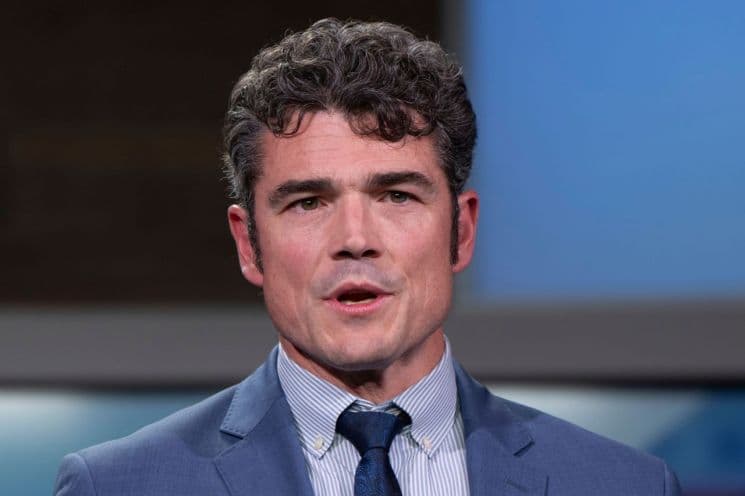
FBI investigates Joe Kent, former National Counterterrorism Center director, for allegedly leaking classified information.
81 sources compared

Lt. Gov. Juliana Stratton Wins Illinois Democratic Senate Primary to Replace Durbin
171 sources compared

Senators Grill Mullin Over DHS Nomination as Intel Officials Testify on Top Threats
91 sources compared

César Chávez Faces Sexual Abuse Allegations, Including Rape of Dolores Huerta and Other Survivors
34 sources compared