
President Trump Reportedly Approved Plans to Attack Iran, Suspended Final Order
Key Takeaways
- Approved plans to attack Iran but suspended giving the final order
- U.S. bolstered military presence in the Middle East with a third destroyer
- Mixed personal grievances into Iran policy, articulating varied and shifting objectives
Approval then suspension
Multiple outlets report that Donald Trump approved plans for a U.S. attack on Iran but then suspended the final order, framing the pause as a last chance for Tehran to abandon its nuclear program.
“Skip to main content Mar 12, 2026 - World Trump's Iran war whiplash clouds U”
Le Grand Continent cites the Wall Street Journal: "Donald Trump reportedly approved plans to attack Iran while suspending the final order to give Tehran one last chance to abandon its nuclear program [1]."
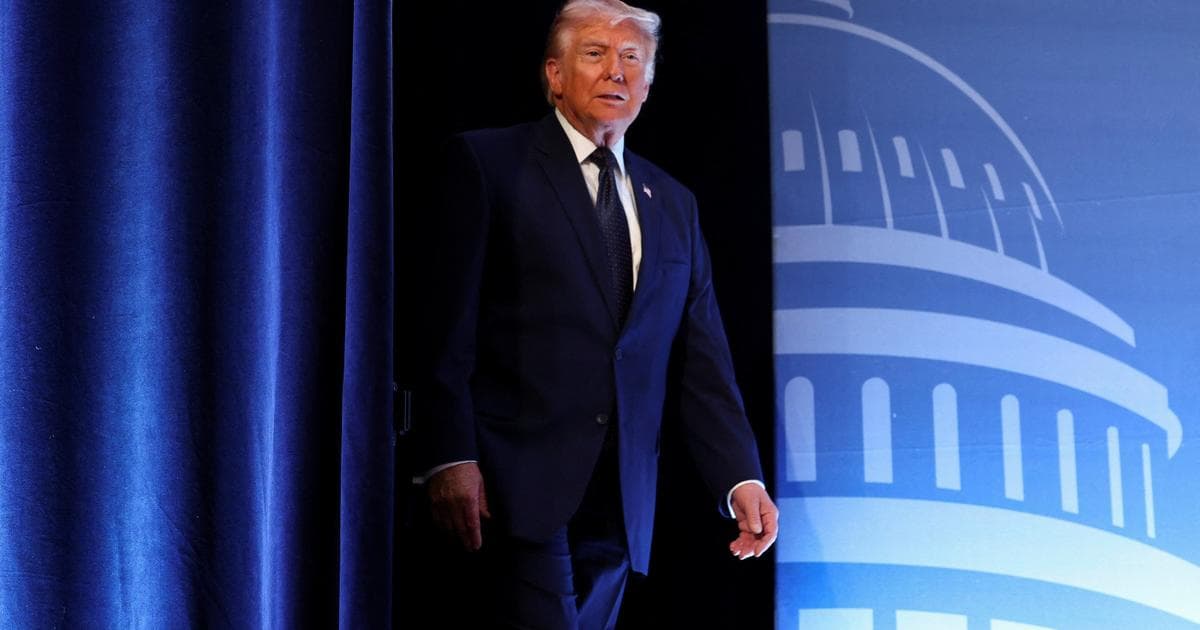
Axios describes the broader military campaign context that followed an "opening strike — which killed supreme leader Ali Khamenei and 40 top security officials" and frames the conflict as ongoing, noting Trump’s calculations about timing.
Le Figaro places the decision within "Operation 'Epic Fury'" and Trump’s long-standing foreign-policy mix of strategic aims and personal grievances, suggesting the attack fits wider motives beyond immediate security claims.
Military buildup and options
U.S. military posture in the region was visibly reinforced as part of the wider pressure campaign, with assets sent to the eastern Mediterranean and Arabian Sea and public discussion of more severe strike options.
Le Grand Continent reports "The United States is bolstering its military presence in the Middle East with a third destroyer in the eastern Mediterranean and a second carrier strike group en route to the Arabian Sea, officially for defensive purposes."
The same source also notes that "Senator Ted Cruz has raised the possibility of 'bunker buster' strikes targeting Iran's nuclear infrastructure without deploying ground troops."
Axios frames the operational focus as a sustained campaign aimed at Iran's armed institutions, noting the planned pressure on the Islamic Revolutionary Guard Corps.
Trump's short-term timeline
Inside the Trump circle, sources told reporters the president was inclined to continue the campaign for several weeks, hoping pressure would produce internal fissures in Tehran rather than an immediate settlement.
“According to the Wall Street Journal, one of the best-informed sources on the internal dynamics of the Republican administration, Donald Trump reportedly approved plans to attack Iran while suspending the final order to give Tehran one last chance to abandon its nuclear program [1]”
Axios reports a source who spoke to Trump described him as "enthusiastic" about continuing the war for "at least another 3-4 weeks before making a decision."
Axios also records Trump calling the conflict "an excursion" and saying the end of the operation was a matter of timing: "They are pretty much at the end of the line. It doesn't mean we are going to end it immediately — it is only a question of when."
Le Grand Continent’s framing of the suspended final order aligns with this windowed approach.
Goal: destabilize Iran internally
A central objective attributed to the White House was to weaken key Iranian institutions enough to spark internal opposition or defections, rather than to occupy territory.
Axios summarises that the goal was to "degrade the IRGC enough that an internal uprising becomes possible," adding quotes that "They are not weak enough at the moment, but they will be in three to four weeks" and predictions that "Maybe a town falls or a military unit flips."
Le Figaro complements this by outlining broader goals anchored in regime change and strategic containment: Trump’s aims ranged from preventing a revived nuclear program to pursuing "regime change."
Le Grand Continent’s reporting on the approved-but-suspended plan underscores how kinetic options were being weighed to achieve those aims.
Uncertainty and consequences
Several sources emphasise uncertainty and the international complexity of the campaign: U.S. officials increased regional forces, Iranian demands for guarantees complicated ceasefire prospects, and regional mediators warned the conflict could persist even if Washington scaled back.
“Donald Trump in the trap of the 'Iranian curse' ANALYSIS - The American president wanted to settle grievances dating back to the 1979 revolution, but risks once again seeing the Islamic Republic influence U”
Le Grand Continent again notes the deployments to the eastern Mediterranean and Arabian Sea as part of the posture.
Axios reports Tehran "has made clear it has no intention of stopping the war on Washington's timeline" and quotes a senior Arab official: "It is very easy to start a war but very hard to finish it."
Le Figaro’s historical framing—linking Trump’s motives to decades-old grievances—underscores how personal and geopolitical factors may prolong both decision-making and conflict dynamics.
More on Iran
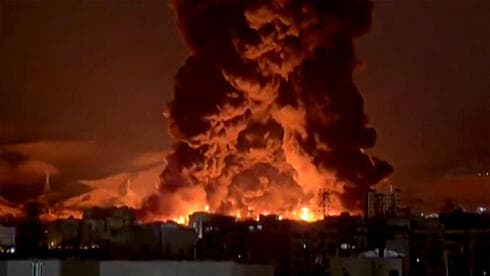
US obliterates military targets on Iran’s Kharg Island, Trump warns
13 sources compared

US Deploys About 2,500 Marines to Middle East After Iran Attacks Gulf Shipping
33 sources compared
FBI Warns of Iranian Drone Plot Based on Unverified Tip; California Says No Credible Threat
10 sources compared

White House Demands ABC Retract Report Claiming Iran Sought To Launch Drone Attacks On California
11 sources compared