Iran27 February, 20262 min read
President Trump Says He Has Not Decided Whether To Attack Iran After Geneva Talks
This article is an automated aggregation of coverage from news outlets. Our editorials offer in-depth analysis curated by the NewsCord team.
Indirect US–Iran nuclear talks in Geneva ended without a deal; mediator reported 'significant progress'. President Trump said he's 'not happy' and hasn't decided whether to attack Iran.

20 outlets told this the same way.
Geneva U.S.-Iran talks
U.S. and Iranian delegations met for a third round of mediated, indirect talks in Geneva at the Omani ambassador’s residence. Iran’s nuclear negotiator Abbas Araghchi handed written proposals to Omani mediator Yousef al‑Busaidi, who relayed them to a U.S. team that included envoy Steve Witkoff and Jared Kushner. IAEA chief Rafael Grossi participated and the agency’s board was due to meet shortly afterward.
“Iranian and US delegations held mediated talks, with Iran’s nuclear negotiator Abbas Araghchi handing written proposals to Omani mediator Yousef al-Busaidi, who then relayed them to a US team led by envoy Steve Witkoff and Jared Kushner.”
Participants described some progress, and Omani officials called the sessions "significant progress". Few substantive details were released publicly.
The Geneva meetings ended without a final agreement. The talks were explicitly framed as mediated, technical and consultative rather than direct U.S.-Iran bilateral talks.
U.S.-Iran tensions and buildup
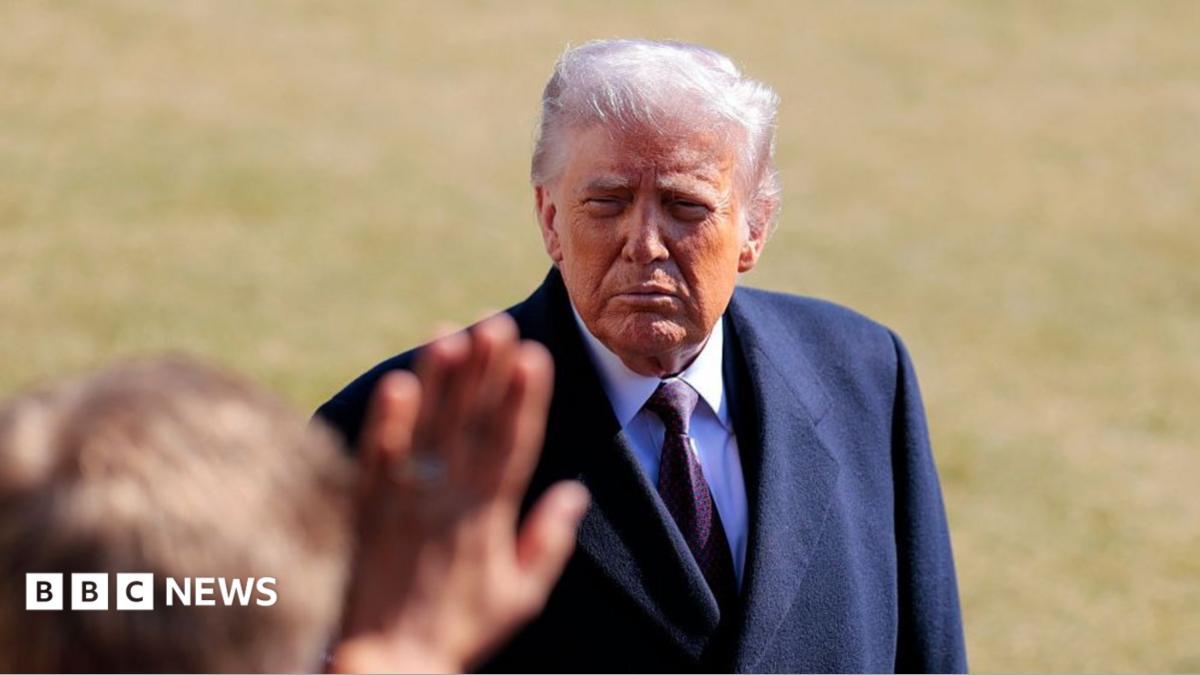
President Trump publicly criticized the Geneva talks and said he had "not decided" whether to use military force. He warned that sometimes "you have to use force" while also saying he would "prefer not to" and that Iran "cannot have nuclear weapons." The administration simultaneously increased military pressure, deploying substantial naval and air assets to the region and ordering what multiple outlets described as the largest U.S. military buildup in the Middle East since 2003, even as U.S. leaders stopped short of a final attack decision.
Embassy warnings and departures
The unfolding standoff prompted multiple governments to issue travel warnings and to withdraw or authorize the departure of non-essential embassy staff. The U.S. told its citizens in Iran to leave "immediately," and other countries including the U.K., Germany, China, India and Canada either advised citizens to depart or temporarily removed staff. Several foreign missions and governments framed these moves as precautionary amid rising threats and the U.S. military buildup.
“The breakdown prompted widespread concern about possible US strikes: several countries issued travel warnings or evacuation orders, with the UK temporarily withdrawing staff from its Tehran embassy and advising against all but essential travel to Israel, China, India and Canada urging their citizens to leave Iran, and the US telling its citizens in Iran to leave ‘immediately.’”
Nuclear negotiation sticking points
Substantive gaps between Washington and Tehran remained central to the impasse. Al Jazeera reported Iran’s proposals were described as "win-win" and reportedly included diluting some of Iran’s 60% enriched uranium while keeping it in-country, and included potential economic incentives. U.S. officials insist Iran must not enrich uranium on its soil at any level and have pressed on missile and proxy issues that Iran has refused to discuss.
IAEA reporting and confidential technical findings raised verification concerns, noting inspectors lacked access to some damaged sites and estimating hundreds of kilograms of 60% enriched uranium that the agency said would be critical to verify. These technical and political disagreements help explain why negotiators described progress but did not close a deal.
Diplomacy and uncertainty
Despite the diplomacy, key uncertainties and differing assessments persist: U.S. intelligence officials told outlets they had "found no evidence a decision has been made to remove the regime," while Israeli and some U.S. officials remained skeptical about the prospects for negotiation. Domestically, critics and some lawmakers warned that military action would be "dangerous" and said Congress had not received substantive briefings, even as polls showed only a minority of Americans supported an attack. Omani mediators and some Iranian negotiators, by contrast, said the talks had made progress — underscoring how the situation remains fluid and contested.
“U.S. intelligence says it has found no evidence a decision has been made to remove the regime, and both the U.S. and Israel remain skeptical about the prospects for successful negotiations.”