Iran-Israel01 March, 20262 min read
President Trump Says US and Israel Killed Iran's Supreme Leader Khamenei; Tehran Denies
President Trump said U.S. and Israeli strikes killed Supreme Leader Ayatollah Ali Khamenei. Iran's government and state media denied Khamenei's death, saying he was 'safe and sound'.
21 outlets told this the same way.
Outlets did split on U.S. Intercepts Iran Message Activating Sleeper Cells After U.S.-Israel Strike Kills Khamenei →
President Trump announces death
President Donald Trump announced that U.S. and Israeli forces had killed Iran’s Supreme Leader Ayatollah Ali Khamenei in a joint aerial campaign. He framed the operation as "major combat operations" and said it was part of a sustained effort to disable Iran’s nuclear program and secure "peace in the Middle East."
“President Trump announced ‘major combat operations’ against Iran, saying in a Truth Social video that Supreme Leader Ayatollah Ali Khamenei had been killed in U.S. and Israeli strikes and vowing bombing ‘for as long as necessary’ to destroy Iran’s nuclear program and ‘achieve peace in the Middle East.’”
Trump posted the claim on social media and said the strikes were carried out with U.S. intelligence and coordination with Israel. He promised continued bombing "for as long as necessary."
Claims about Khamenei's fate
Claims about Khamenei's fate immediately split along competing official statements. U.S. and some Israeli officials publicly asserted he had been killed, with Prime Minister Benjamin Netanyahu saying "all indications" showed the supreme leader was "no longer with us."
Iranian authorities - including the foreign ministry, state media and Khamenei's own office - denied the reports and said he and Iran's president were "safe and sound." Independent verification was not produced by Israel in the immediate aftermath, and multiple outlets noted that the claims could not be independently confirmed.
Air strikes and casualties
Israel said it carried out what it termed its largest-ever aerial operation, using roughly 200 jets to strike more than 500 targets. U.S. and Israeli accounts said they hit IRGC command-and-control sites, air defenses, missile and drone launch sites, and airfields. Iranian agencies and regional media reported heavy destruction and civilian casualties across many provinces.
“Israel carried out what it called its largest-ever aerial operation—about 200 jets striking more than 500 targets—while U.S. forces and Israel said they hit IRGC command-and-control sites, air defenses, missile/drone launch sites and airfields.”
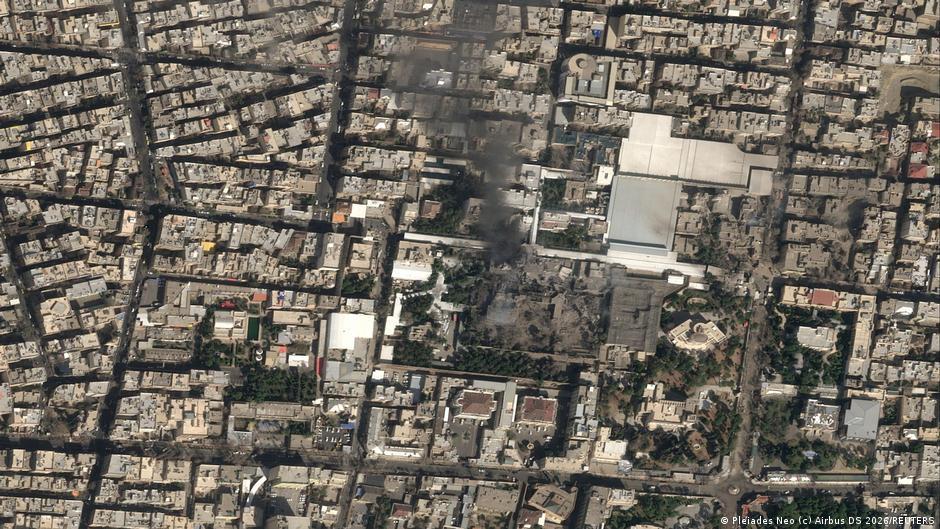
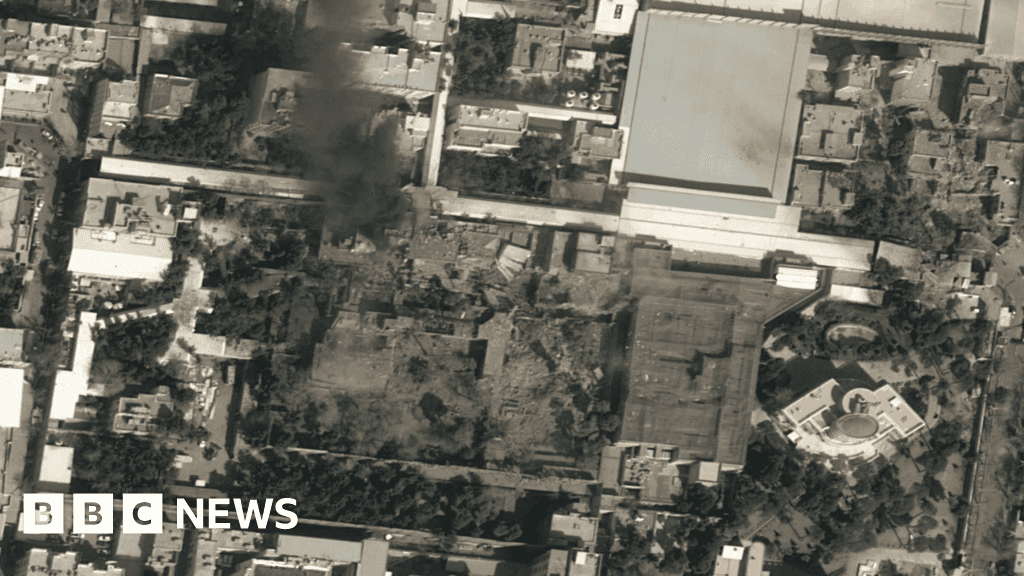
The Iranian Red Crescent Society gave a toll of 201 dead and 747 injured. Satellite imagery showed smoke and damage at Khamenei’s Tehran compound. Additional reports cited strikes on schools and civilian areas with high casualty claims.
Reactions to the operation
Trump labeled Khamenei 'one of the most evil people in history,' urged Iranians to rise up, and threatened 'heavy and pinpoint' or 'uninterrupted' bombing until U.S. objectives were achieved. He also suggested offers of immunity to some Iranian security personnel who defect.
Israeli leaders backed the operation publicly as a blow to Iran's leadership. U.S. lawmakers and other international figures voiced mixed reactions and concern about the lack of clear evidence and defined end-states.

Aftermath of Khamenei reports
Multiple outlets and analysts warned the situation remained highly fluid and dangerous. News organizations emphasized the inability to independently verify Khamenei’s death, noted the unclear succession in Iran, and warned that a leadership vacuum could strengthen hard-line elements like the IRGC or further destabilize the region. Iran reportedly launched counterstrikes against U.S. bases and fired missiles into neighboring states.
“The situation remains fluid: reports conflict, succession is unclear, and the developments have major regional and global implications.”
Protests and geopolitical alarms followed in many countries, underscoring the high risk of wider escalation. Journalists urged caution and cross-verification given the extraordinary nature of the claim.