Iran25 February, 20263 min read
President Trump Threatens to Attack Iran, Says He Prefers Diplomacy
Prefers diplomacy to resolve the confrontation with Iran Laid out case for a possible attack on Iran in State of the Union
10 outlets told this the same way.
State of the Union: Iran
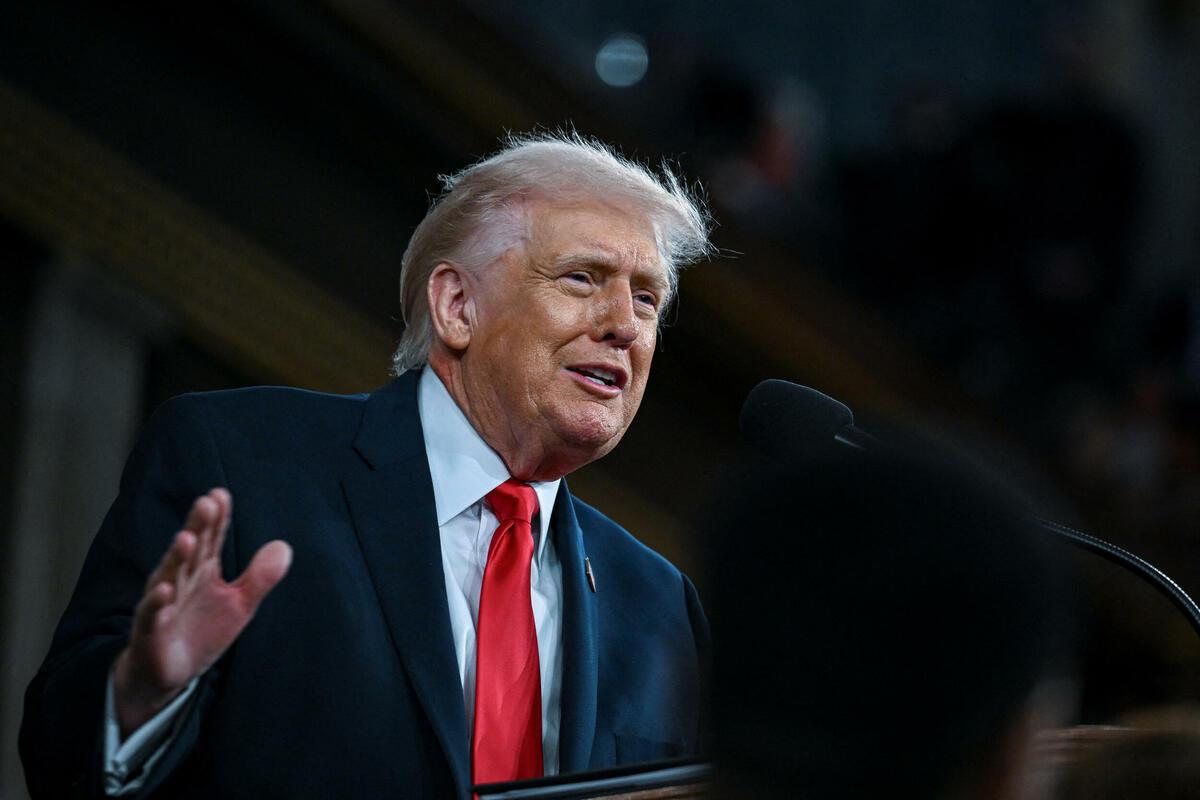
In his Feb. 25 State of the Union address, President Trump struck a combative tone toward Iran while repeatedly saying he prefers diplomacy as his first approach but will use force if necessary.
“As president, I will make peace wherever I can, but I will never hesitate to confront threats to America wherever we must.”
Oman Observer records him saying, "As president, I will make peace wherever I can, but I will never hesitate to confront threats to America wherever we must."

Daily Times similarly reports he 'stressed he prefers diplomacy but warned he will use force if American security faces a direct threat.'
Al Jazeera notes the speech mixed a preference for diplomatic resolution with stark warnings about Iran's alleged nuclear activities and cited the president's claim that U.S. strikes last year had "obliterated" key sites.
Geo News reports the address was used to justify a tougher posture toward Iran while also touting economic achievements, reflecting the dual domestic and foreign-policy messaging.
Reactions to U.S. military plans
A Reuters/Ipsos poll cited by the Oman Observer found 69% of Americans say the U.S. should use military force only when facing a direct, imminent threat. Daily Times highlighted that finding and warned that a strike on Iran could spark a prolonged regional confrontation. Geo News noted lawmakers were briefed in advance and that the speech drew partisan pushback, with dozens of Democrats boycotting.
Daily Times reports Secretary of State Marco Rubio briefed congressional leaders ahead of the speech. Critics in multiple outlets say the administration has given few public details about any planned military action, raising alarm in Congress and among the public.

Trump's Iran program claims
Central to the president’s argument were accusations that Iran is restarting nuclear and missile programs and that U.S. strikes had previously hit key facilities. The South China Morning Post reports Trump accused Iran of restarting its nuclear program and developing missiles that could reach the United States, and called Tehran and its 'murderous proxies' a source of 'terrorism and death.' Hindustan Times records his reference to a June strike he called 'Operation Midnight Hammer,' saying it 'obliterated Iran’s nuclear weapons program.'
Al Jazeera and other outlets, however, note experts have disputed the president’s account that those sites were destroyed, creating a clear factual dispute in coverage. Oman Observer adds that Trump’s aides have warned Iran is close to being able to build nuclear bombs, underscoring why the administration frames the issue as urgent.
Media coverage on Iran developments
Reporting diverges on Iran’s regional posture and additional security concerns. The Indian Express reports Reuters saying Iran is close to buying Chinese CM-302 supersonic anti-ship cruise missiles, a development that would 'significantly boost Iran’s naval strike capability' and worry U.S. forces. South China Morning Post says Iran 'promptly fired back following the speech,' and other outlets highlight a U.S. military buildup in the Middle East.
Indian Express also includes separate domestic details, including a student warning about missing exams and a reported death sentence for Mohammad Abbasi. These domestic items are not covered by other outlets and reflect local editorial choices about what to include. Geo News and South China Morning Post emphasize concerns that some of Trump’s figures were inflated or lacked supporting detail.
Media framing of Trump speech
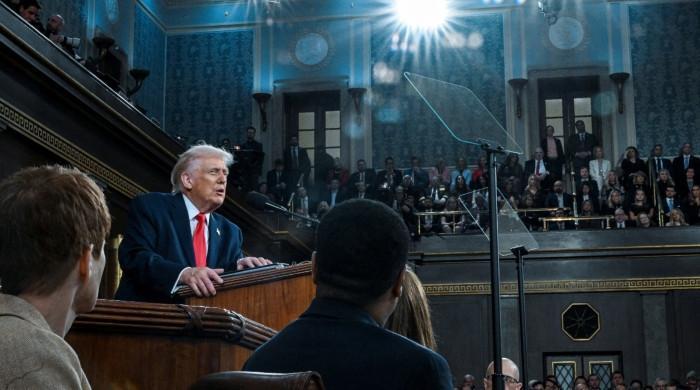
Domestic politics shaped how outlets framed the speech. Geo News highlights the address’s long economic opening and partisan clashes — "Trump spent the first hour stressing economic achievements..." and notes dozens of Democrats boycotted the speech. The Indian Express quotes White House spokeswoman Karoline Leavitt that Trump’s "first option is always diplomacy."
“Trump spent the first hour stressing economic achievements (curbing inflation, record markets, tax cuts, lower drug prices) as he seeks to shore up sagging approval ahead of November midterms.”
Daily Times underscores the administration’s balancing act between diplomacy and the threat of force and reports that Secretary Rubio briefed congressional leaders. These differences reveal diverging editorial priorities: some outlets foreground domestic politics and economy (Geo News), others stress diplomatic rhetoric (Indian Express), and others emphasize security implications and public unease (Daily Times, Oman Observer).