Britain25 February, 20262 min read
Prime Minister Keir Starmer Pauses Chagos Handover After Trump Criticism; Officials Deny Halt
This article is an automated aggregation of coverage from news outlets. Our editorials offer in-depth analysis curated by the NewsCord team.
A Foreign Office minister told MPs the government was 'pausing' Chagos handover legislation. Government officials denied any pause and said the legislation or handover was not halted.

7 outlets told this the same way.
Chagos handover update
Sir Keir Starmer's government briefly signalled a pause on progressing the Chagos Islands handover after US criticism. Foreign Office minister Hamish Falconer told MPs the government was "pausing" moves to rubber-stamp the treaty while it held urgent talks with Washington, and noted the US statement was "very significant."
“Foreign Office minister Hamish Falconer told MPs that Trump’s statement was ‘very significant.’”
Following that intervention, government spokespeople and the Foreign Office later said Falconer had "misspoke" and insisted there was no formal pause, with the treaty process due to continue through Parliament at the appropriate time and no set deadline for its return. This account combines reporting across outlets.
Chagos payment discrepancies
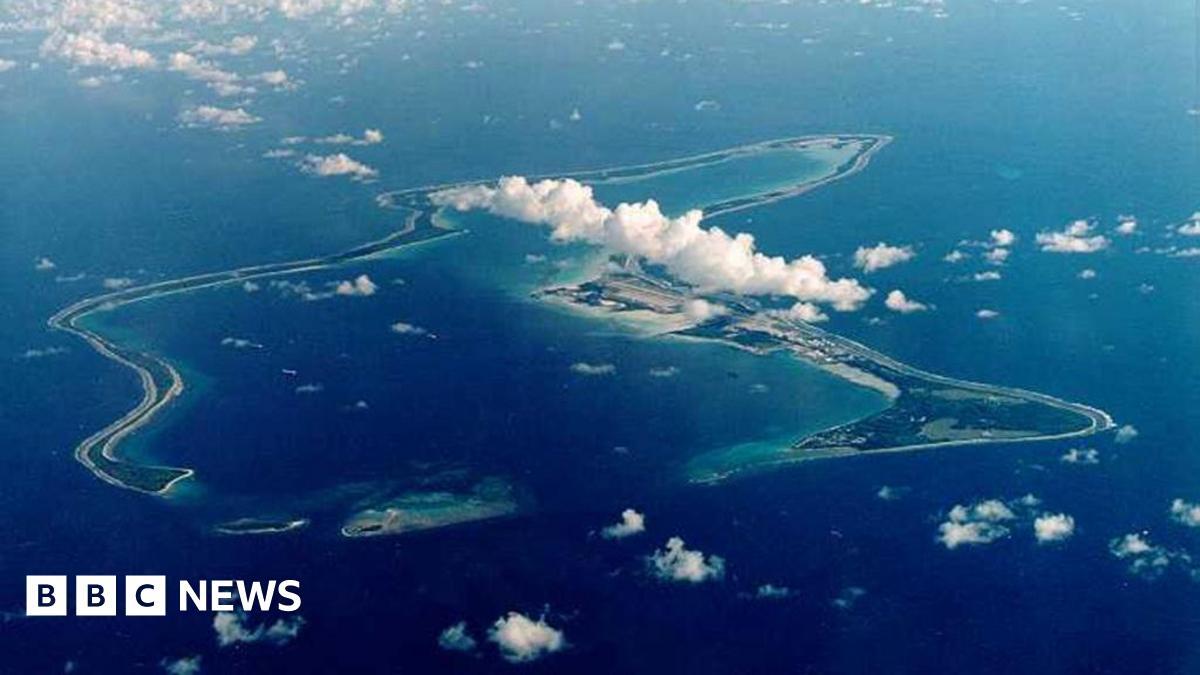
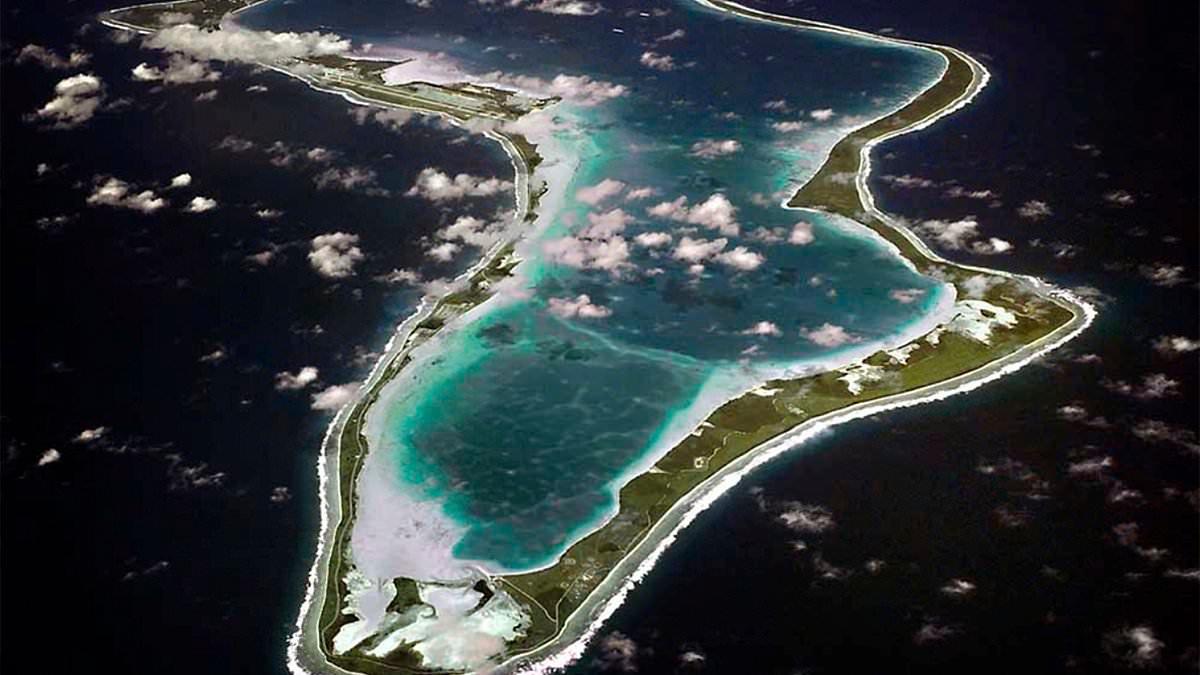
The treaty at the centre of the dispute would transfer sovereignty of the British Indian Ocean Territory (the Chagos Islands) to Mauritius while preserving UK access to the US-aligned military base on Diego Garcia under a long lease. Eastern Daily Press describes a nominal payment of "£34.7bn ... over 99 years." The Daily Mail calls it a "£35 billion agreement."
HuffPost UK says Labour would pay "about £99 billion to lease back the US military base on Diego Garcia for 99 years." The-sun reports the pact would "pay £101 million a year to lease back the Diego Garcia base." These conflicting figures appear across outlets reporting the same deal.
US influence and Trump response
US influence and President Donald Trump's intervention are central to how outlets frame the episode. Several reports say officials had previously believed the deal had US backing. the-sun notes that officials 'previously said the deal had US backing'.
“Officials previously said the deal had US backing, but Falconer called the President’s intervention ‘very significant.’”
Eastern Daily Press records Falconer saying the US had supported the agreement. HuffPost UK highlights that Trump 'initially supported the deal, reversed his position' and denounced it on TruthSocial as a 'blight,' even suggesting strategic concerns tied to Iran. Trump is quoted by multiple outlets urging Starmer not to proceed and calling the handover a 'big mistake'.
UK reaction to handover
Political reaction in the UK mixed, with criticism and calls to abandon the plan. Opposition figures and Tory leader Kemi Badenoch are reported as urging Labour to scrap the handover. The Daily Mail says Badenoch 'demanded Labour scrap the arrangement'.
the-sun notes 'Opposition figures urged the government to abandon the agreement'. Labour sources and the Foreign Office emphasise the process will continue and stressed there is no formal pause.

Outlets vary in the heat of their language. Daily Mail and The Independent highlight confusion or a suggested humiliating U‑turn, while HuffPost and Eastern Daily Press focus more on the strategic and legal background prompting the deal.
Reporting differences on handover
Eastern Daily Press links the handover to a 2019 ICJ advisory opinion supporting Mauritius’s sovereignty and describes the legislation being pushed to ratify the treaty.
“The UK has paused plans to transfer sovereignty of the Chagos Islands to Mauritius after strong criticism from US President Donald Trump.”
The Daily Mail notes the Diego Garcia/British Indian Ocean Territory bill "has not been debated since Jan. 20."

Meanwhile government statements quoted by The Independent and the-sun stress the treaty process will continue through Parliament "at the appropriate time" and that there is "no set deadline."
These reporting differences reflect variation in focus: legal history and parliamentary timing versus immediate political communications.