
Prime Minister Netanyahu Attacks Iranian Oil Depots, Ignoring Trump's Warnings, NYT Reports
Key Takeaways
- Netanyahu ignored Trump-CENTCOM warnings not to strike Iranian oil depots near Tehran.
- The New York Times reported US warnings against attacking Iranian oil targets were ignored.
- Rising US-Israel tensions and possible American involvement in subsequent strikes.
Defiant Strike Decision
Prime Minister Benjamin Netanyahu launched an Israeli strike against major fuel depots near Tehran in direct defiance of warnings from both President Trump and Admiral Brad Cooper, the head of U.S. Central Command.
“Tensions between the United States and Israel have increased during recent military operations against Iran, according to a report published by The New York Times”
The U.S. officials had specifically cautioned that such an attack on Iranian oil infrastructure would provoke Iran to retaliate against similar targets across the Gulf region, potentially triggering widespread regional instability.

Despite these warnings, Netanyahu proceeded with the military operation, which according to Israeli and American officials, was intended to create dramatic imagery that could incite internal unrest within Iran.
This attack targeted Iranian strategic assets as part of broader military objectives shared with the Trump administration.
Attack Consequences
The Israeli attack on Iranian fuel depots resulted in massive fires and a temporary spike in global oil prices, exactly as U.S. officials had predicted would occur.
American officials familiar with the situation revealed that the Israeli government believed the dramatic visual impact of burning infrastructure in Tehran could help destabilize the Iranian regime from within.

However, this calculation proved incorrect as Iran responded swiftly with coordinated drone strikes targeting oil refining and storage facilities in Saudi Arabia and the United Arab Emirates.
These Iranian attacks caused significant disruption to oil loading operations at the crucial Fujairah export terminal, demonstrating Iran's ability to retaliate against Gulf allies.
The resulting market volatility further complicated the regional security situation and economic stability.
Strategic Divergence
While Trump and Netanyahu initially aligned on short-term military objectives against Iran - targeting missile systems, nuclear facilities, naval forces, and weapons production capabilities - their strategic visions for the region have increasingly diverged.
Trump has emphasized weakening Iran sufficiently to push the country toward diplomatic negotiations, while Netanyahu reportedly seeks more ambitious goals including regime change and the complete elimination of Iran's regional influence.
These differing approaches reflect broader strategic disagreements, with the U.S. administration concerned that expanding the conflict increases the risk of regional escalation.
Netanyahu maintains that Iran and Hezbollah constitute an integrated threat structure that must be addressed comprehensively.
The strategic divergence creates tension in the alliance despite shared immediate military objectives.
Energy Market Impact
The attack on Iranian oil infrastructure had immediate and significant consequences for global energy markets, causing market volatility and supply chain disruptions that affected multiple countries.
U.S. officials had accurately predicted that striking such critical economic infrastructure would trigger chain reactions throughout energy markets, and the subsequent Iranian retaliation confirmed these concerns.

The temporary disruption to oil loading operations at the Fujairah terminal - one of the world's most important energy export hubs - demonstrated how regional conflicts could quickly impact global energy supplies.
This highlighted the economic risks associated with military actions targeting strategic infrastructure.
Energy market instability became an additional complicating factor in the already complex regional security situation.
Alliance Dynamics
Despite public disagreements and Netanyahu's defiance on the oil depot attack, military coordination between Israel and the United States remains formally intact.
“It doesn't matter to me”
The Israel Defense Forces has stated that both countries continue to have full coordination on strategic and security matters, maintaining the alliance's operational framework despite tactical disagreements.
Behind the scenes, Trump and Netanyahu have reportedly maintained almost daily contact throughout the crisis.
The U.S. president has also engaged in regular consultations with Arab leaders including Saudi Arabia's Crown Prince Mohammed bin Salman.
This suggests that while public tensions exist over specific military actions, the fundamental strategic partnership continues to function at multiple levels of communication and coordination.
Political Pressures
Domestically, Trump faces significant political pressure regarding the escalating conflict with Iran, particularly with midterm elections approaching on the horizon.
Public support for the conflict remains notably low, with many Americans expressing wariness about a prolonged military engagement in the Middle East.
Political analysts suggest that Trump may be motivated to seek a quicker resolution to hostilities once Iran's military capabilities are sufficiently degraded.
This contrasts with Netanyahu's reportedly more ambitious objectives of regime change and elimination of Iranian regional influence.
This domestic political calculus could influence future decision-making and potentially create further tensions between the two leaders.
More on Iran
Iranian Women's Soccer Captain Zahra Ghanbari Withdraws Asylum Bid in Australia
10 sources compared
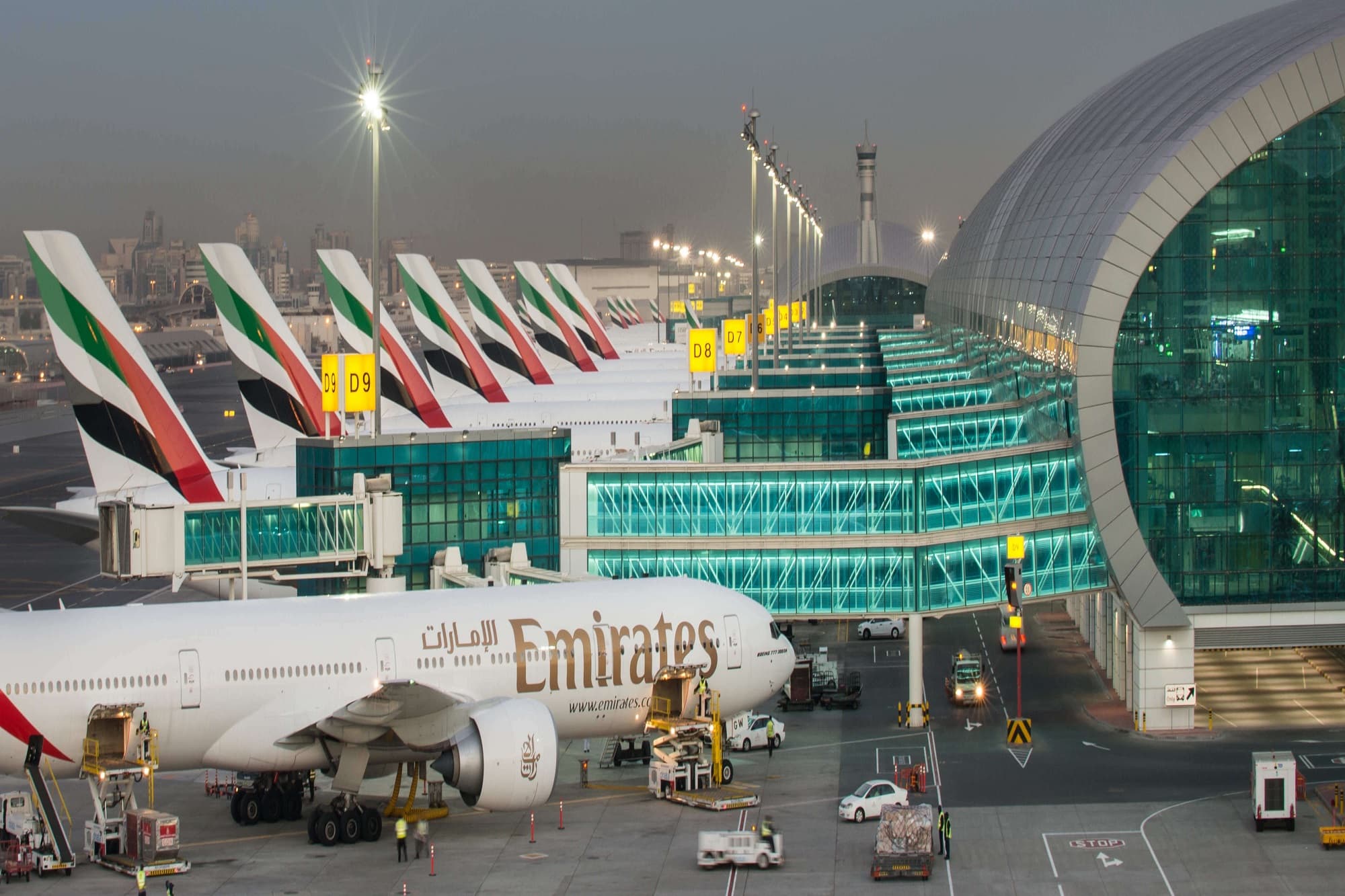
Iranian Drone Strike Shuts Dubai International Airport, Thousands Stranded
25 sources compared

Iran Drone Strike Shuts Dubai International Airport, Triggers Global Travel Disruption
16 sources compared

Iran's New Supreme Leader Mojtaba Khamenei Travels to Moscow for Leg Surgery
15 sources compared