Ukraine War21 February, 20262 min read
Prime Minister Viktor Orbán Threatens to Veto €90 Billion EU Loan to Kyiv Unless Ukraine Restarts Russian Oil Transit Through Druzhba Pipeline
Hungary will veto €90 billion EU loan to Ukraine unless Druzhba oil transit resumes Druzhba oil flows halted since January 27 after a drone attack damaged the pipeline
16 outlets told this the same way.
Outlets did split on Russian Attack Kills At Least 33 On Two Buses In Kramatorsk →
Hungary vetoes EU loan
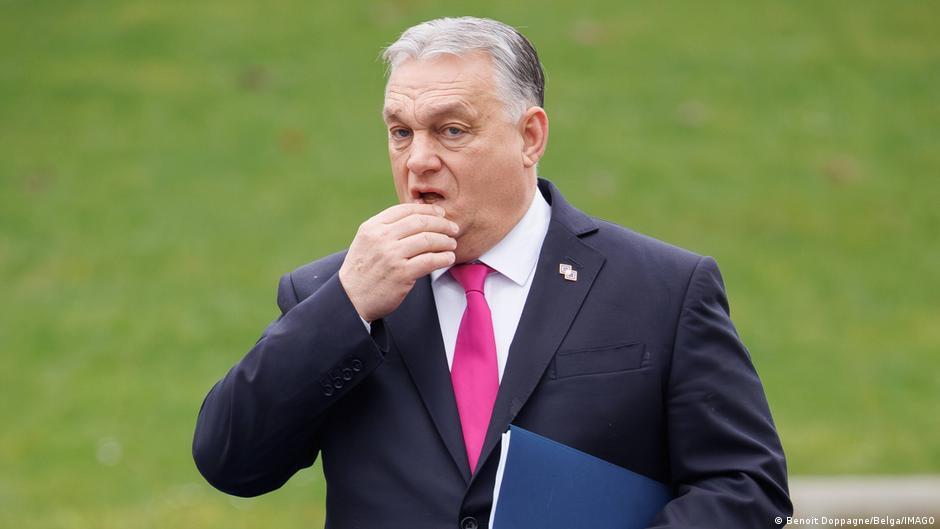
Prime Minister Viktor Orbán has announced that Hungary will block a planned €90 billion EU loan package for Ukraine unless crude oil transit through the Druzhba pipeline into Hungary is resumed. Multiple outlets report Budapest tying its veto to the halted pipeline. DW quotes Orbán saying Hungary will block the loan 'as long as Ukraine blocks the Druzhba pipeline'.
“Hungary says it will veto a planned €90 billion EU loan package for Ukraine unless Russian oil begins flowing again through the Druzhba pipeline to Hungary.”
Firstpost and Devdiscourse cite foreign minister Péter Szijjártó describing the halt as 'blackmail' and saying Hungary will veto EU decisions favourable to Kyiv. Other outlets describe the move as effectively stalling the EU mechanism because unanimous approval is required for the joint-borrowing plan.
Druzhba transit dispute
The stoppage of Druzhba transit is reported with competing explanations.
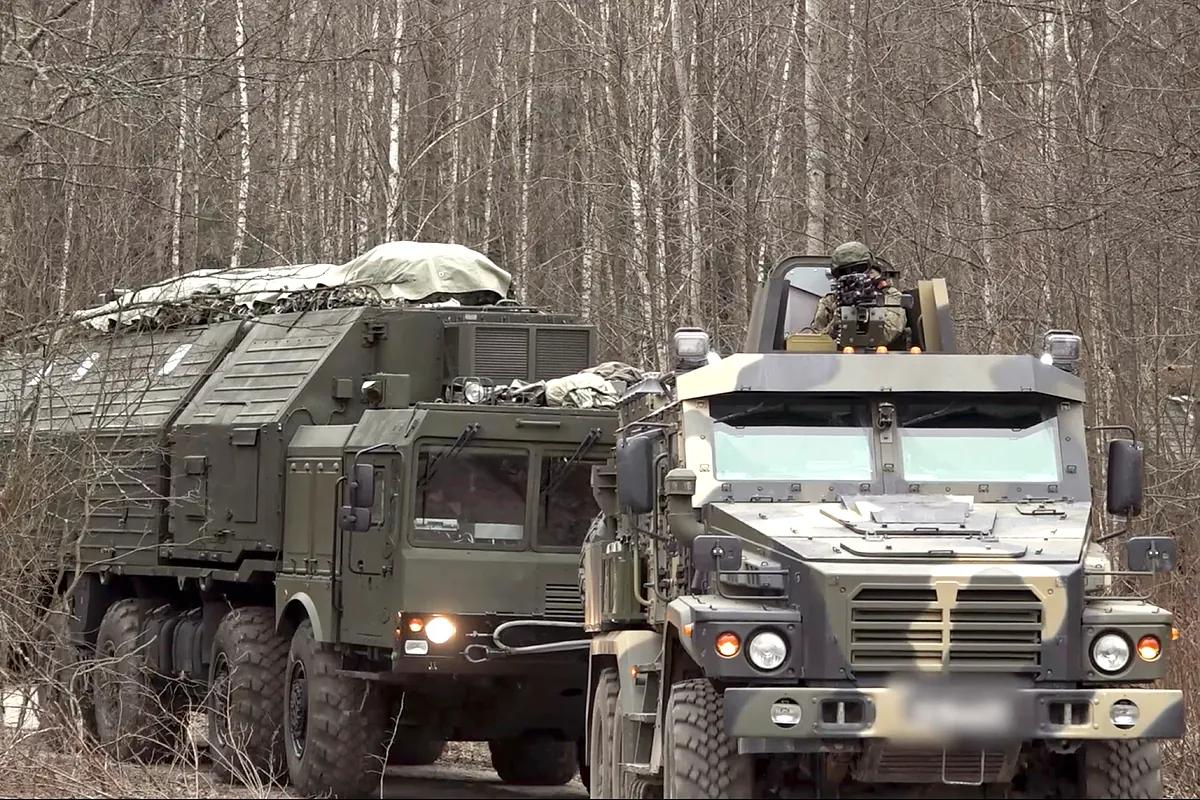
Kyiv and several outlets say flows were disrupted after Russian strikes or drone attacks on Ukrainian energy infrastructure in late January.
DW and Firstpost report Ukraine blaming Russian strikes, while Modern Diplomacy and other reports note the pipeline was halted after 'drone damage' on Jan. 27.
Budapest and Bratislava, by contrast, accuse Ukraine of deliberately delaying or politically blocking the restart, an allegation Kyiv rejects.
TFIGlobal notes Russia denies responsibility for the damage, leaving a three‑way set of conflicting claims over cause and responsibility.
EU loan package dispute
Reporting across outlets outlines the loan package’s structure and why Hungary’s stance matters procedurally. The EU plan is widely described as up to €90 billion over two years, would be funded via joint borrowing and was endorsed by the European Parliament. Many sources say roughly €60 billion is earmarked for defense and the remainder for budgetary support.
“The EU had agreed in December to provide up to €90 billion over two years (European Parliament recently endorsed it), with €60 billion earmarked for defense; final approval by the EU Council was expected but the vote has been postponed.”
Because the mechanism requires unanimity, Hungary’s veto blocks final approval. Several outlets also note Hungary, Slovakia and the Czech Republic received exemptions from repaying borrowing costs for the package.
Fuel and energy tensions
Slovakia declared a state of emergency over fuel supplies. Hungary and Slovakia have suspended diesel deliveries to Ukraine. Both capitals are drawing on emergency reserves or alternative suppliers.
Modern Diplomacy reports Hungary released strategic reserves and that MOL is sourcing substitutes. DW and Novaya gazeta note the loan vote was postponed and say the dispute has increased tensions ahead of Hungary’s April election. Some outlets report threats by Slovakia’s PM Robert Fico and Hungarian officials to cut emergency electricity to Ukraine if transit is not restored.
Coverage differences across outlets
Coverage varies noticeably by source type. Western mainstream outlets (DW, Associated Press) present the story with emphasis on procedural implications for the EU and note official claims from Kyiv and Budapest. Western alternative outlets (Hungarian Conservative, Michael West Media, Новая газета Европа) foreground Orbán’s politics, his electoral timing and characterization of the package as improper or a 'war loan.'
“Prime Minister Viktor Orbán posted that Hungary will block the loan ‘as long as Ukraine blocks the Druzhba pipeline.’”
Other outlets (TFIGlobal, The European Conservative, Modern Diplomacy) emphasise the mechanics of the loan, the defence/budget split and energy‑security specifics. Asian outlets such as Firstpost and Devdiscourse stress Hungary’s continued reliance on Russian energy and frame the veto within Orbán’s broader opposition to sanctions. Those differences shape whether coverage foregrounds procedural EU deadlock, energy‑security rationales, electoral politics or accusations of 'blackmail.'