Britain09 February, 20263 min read
Prince Andrew Allegedly Sent Confidential UK Trade Reports to Jeffrey Epstein
Thames Valley Police are assessing a complaint Andrew shared confidential trade reports with Epstein DOJ-released files include emails showing Andrew forwarded trade-envoy trip briefs to Epstein in 2010
75 outlets told this the same way.
Outlets did split on UK Police Charge Teddy Young With Spying For Foreign Power, Royal Navy Member →
Prince Andrew email disclosures
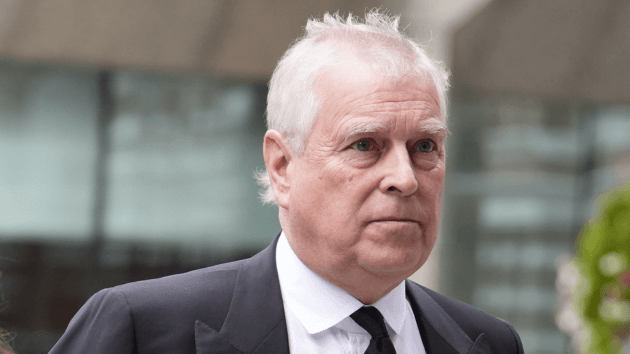
Newly released documents from the U.S. Department of Justice and reporting by multiple outlets allege that Prince Andrew (Andrew Mountbatten-Windsor), while serving as Britain’s special representative for international trade and investment in 2010, forwarded official trade reports and itineraries to Jeffrey Epstein.
“Thames Valley Police confirmed it has launched an inquiry after receiving a report from Graham Smith, chief executive of the anti-monarchy group Republic, alleging suspected abuse of public office and breaches of the Official Secrets Act.”
Outlets including the BBC, Al Jazeera and The Guardian report that emails in the DOJ tranche appear to show Andrew sending reports from a 2010 Southeast Asia trade tour.
The emails also appear to show him copying Epstein into a Christmas Eve 2010 brief about investment opportunities in Afghanistan's Helmand province.
The disclosures have prompted public statements from the royal household and renewed scrutiny of Andrew's ties to Epstein, who was convicted in 2008.
Contested 2010 emails
Multiple reports say the contested emails date from late 2010. They appear to show aides sending Andrew official visit briefs for Hong Kong, Vietnam, and Singapore that were then forwarded to Epstein, sometimes within minutes. Outlets such as ITVX and lbc.co.uk highlight timing that undercuts Andrew’s previous public claim that he cut ties with Epstein in December 2010.
ABC News and NBC note the files are part of a much larger DOJ release of more than three million pages and say the precise contents of some attachments have not been independently confirmed. Reporting also cites a Christmas Eve 2010 brief tied to Helmand Province reconstruction as an example of material that might be particularly sensitive.

Royal response to allegations
The monarchy's response has been unusually public and cautious. Buckingham Palace and the King said they are "profoundly concerned" and stand ready to assist police. The Prince and Princess of Wales described themselves as "deeply concerned" and said their thoughts remain with victims.
“Buckingham Palace said King Charles III is ‘profoundly concerned’ by the allegations and will support police if approached.”
Several outlets note that the palace's language seeks to distance working royals from matters the former duke must address personally. Reports also record that Andrew has denied wrongdoing and, according to multiple outlets, has not publicly responded to some of the newest allegations.
Police response to report
Thames Valley Police say they are "assessing" the material after anti‑monarchy campaigner Graham Smith of Republic filed a report. Different outlets describe the force’s activity variously as an assessment, an inquiry, or the early stages of an investigation. Some regional and international outlets (South China Morning Post, The Guardian, ITVX) report that Thames Valley 'launched' or 'opened' a probe.
Other reports emphasize that the police have not yet announced charges and are following established procedures. The variance in wording reflects both police practice—assessment versus formal investigation—and editorial choices about how definitive to present early-stage matters.

Allegations and media fallout
The allegations have renewed political and media fallout; reporting cites Andrew’s 2019 BBC interview and his 2022 settlement with Virginia Giuffre, notes he was stripped of titles and access to residences, and records renewed calls for accountability and possible testimony to U.S. or congressional authorities. Coverage diverges about emphasis—some outlets concentrate on the constitutional and political implications for the prime minister and the monarchy (The Washington Post, The Hill), while tabloids foreground sensational allegations and images in the DOJ files. Several reports caution that being named in the DOJ tranche is not proof of guilt and that many items remain unverified.
“The U.S. Justice Department’s release of new Jeffrey Epstein files has reverberated in Britain, triggering a political crisis for Prime Minister Keir Starmer and intensifying scrutiny of the royal family.”