Crime01 February, 20263 min read
Prince Andrew and Jeffrey Epstein Allegedly Offered $10,000 and Asked Exotic Dancer to Join Threesome in DOJ-Released Files
Jeffrey Epstein and Prince Andrew allegedly offered an exotic dancer $10,000 to perform. They allegedly demanded sex acts, including a threesome, at Epstein's Florida home.

15 outlets told this the same way.
DOJ Epstein allegation summary
New DOJ files include a March 2011 legal letter alleging that in early 2006 Jeffrey Epstein offered $10,000 to dancers from a West Palm Beach club. The letter alleges one unnamed dancer was chauffeured to Epstein's Florida home and later asked to take part in a threesome with Epstein and Prince Andrew (now Andrew Mountbatten‑Windsor).
“Newly released Department of Justice documents under the Epstein Files Transparency Act include a legal letter in which a lawyer for an unnamed woman alleges Jeffrey Epstein and Prince Andrew paid an exotic dancer to ‘engage in various sex acts.’”
The DOJ tranche presents the claims as allegations and describes the woman as a popular dancer at Rachel's Strip Club. Several outlets have reported the claim but note it remains an allegation and that Prince Andrew has denied any wrongdoing.
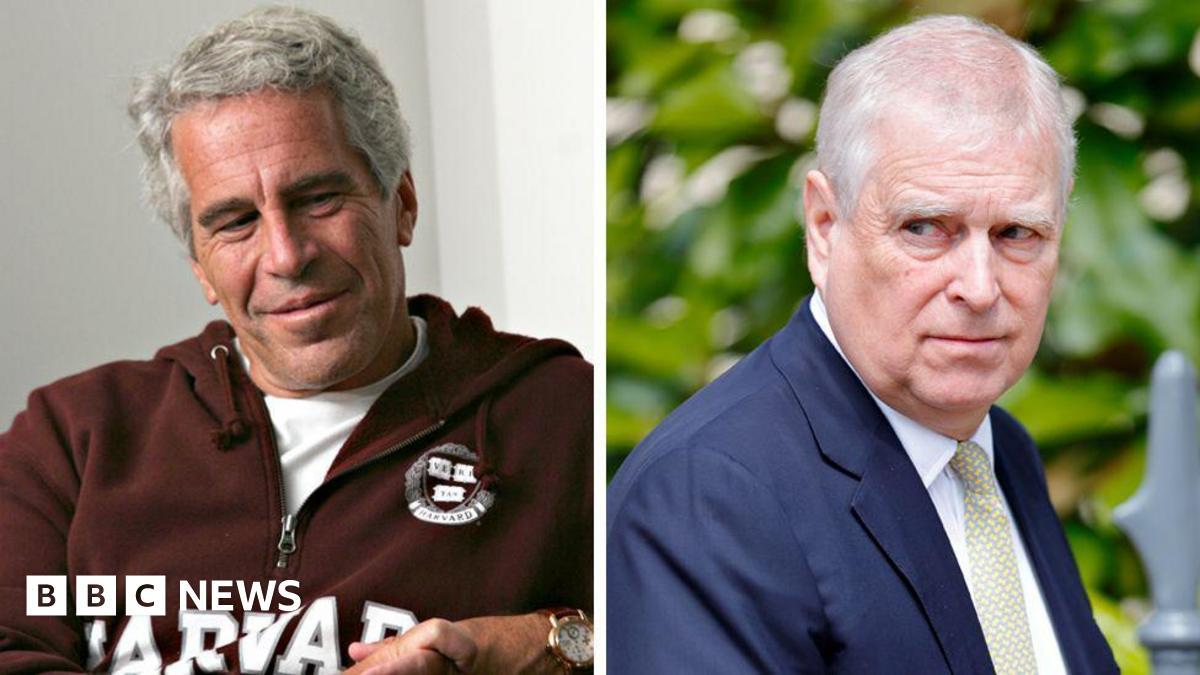
2011 party allegations
Several sources give additional detail from the March 2011 letter and related filings. The dancer and other performers were allegedly offered $10,000 each, but one letter claims the woman was paid only $2,000 of the promised sum. She was said to have undressed to her bra and panties and was allegedly asked to join a threesome.
She was later offered a trip to the Virgin Islands, which she refused. The letter reportedly says she would have accepted $250,000 to keep the encounter confidential.

Some reporters highlight that the letter notes other women at the party appeared to be as young as 14. Police forces are reported to be assessing the material.
Media coverage of allegations
Coverage consistently notes the material is presented as allegations and that Prince Andrew has denied wrongdoing. Reports say police and other authorities are assessing the information and that the DOJ tranche included additional images and records.
“The claims are allegations; Prince Andrew has denied any wrongdoing and the BBC has sought his comment.”
Tabloid and local outlets stress reputational damage and confidentiality claims and often publish more explicit, salacious phrasing. Mainstream outlets typically emphasize the legal character of the files and that appearance in the documents is not proof of guilt.
Media coverage of Epstein files
The DOJ tranche has reignited wider, often divergent press reporting about Epstein's network beyond the specific dancer allegation. Some outlets use the files to revisit claims about alleged trafficking to the UK, visits to Royal Lodge and Buckingham Palace, and theories that parts of Epstein's operation were used as a honeytrap tied to Russian or other intelligence, though the files contain only cryptic references and several outlets caution these claims are unproven. Those wider narratives appear prominently in tabloids and in pieces that emphasize alleged Russian or intelligence links, while mainstream coverage stresses the materials' cryptic nature and that they do not by themselves prove espionage or state-directed operations.
Media coverage summary
The documents include claims that Epstein offered $10,000 to dancers. At least one letter alleges a threesome invitation involving Prince Andrew. The material is presented as allegations and Prince Andrew denies wrongdoing.
“The claims are allegations; Prince Andrew has denied any wrongdoing and the BBC has sought his comment.”
Police are reported to be assessing the newly released files. Beyond those central claims, reporting diverges sharply on emphasis, tone and wider inference. Coverage ranges from cautious legal framing to tabloid assertions of reputational damage and speculative claims about espionage.
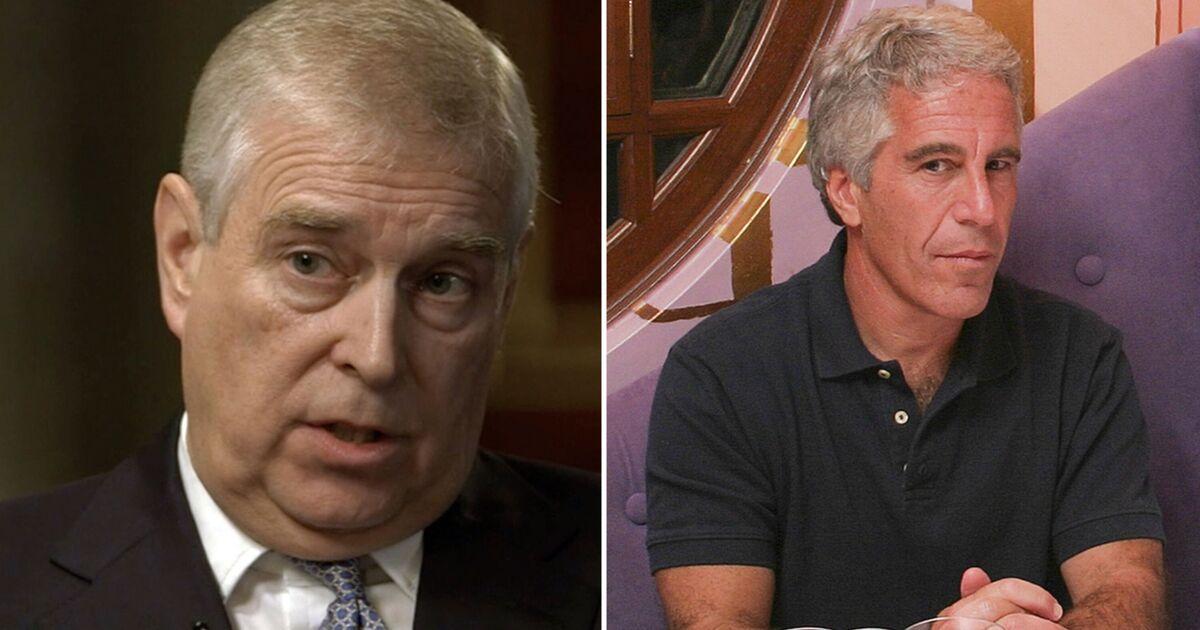
The files themselves do not resolve those disputes. Where reporting is unclear or conflicting—such as whether payments were actually made, the ages of other women, or any specific sexual acts—sources present those claims as allegations, and that uncertainty should be noted rather than assumed away.