Britain19 January, 20262 min read
Prince Harry Tells High Court Associated Newspapers Made Meghan's Life 'Absolute Misery'
Prince Harry opened a High Court privacy trial against Associated Newspapers, joined by six claimants. Claimants allege Associated Newspapers used private investigators, phone‑hacking, bugging and blagging for stories.

23 outlets told this the same way.
Outlets did split on UK Police Charge Teddy Young With Spying For Foreign Power, Royal Navy Member →
Prince Harry court testimony
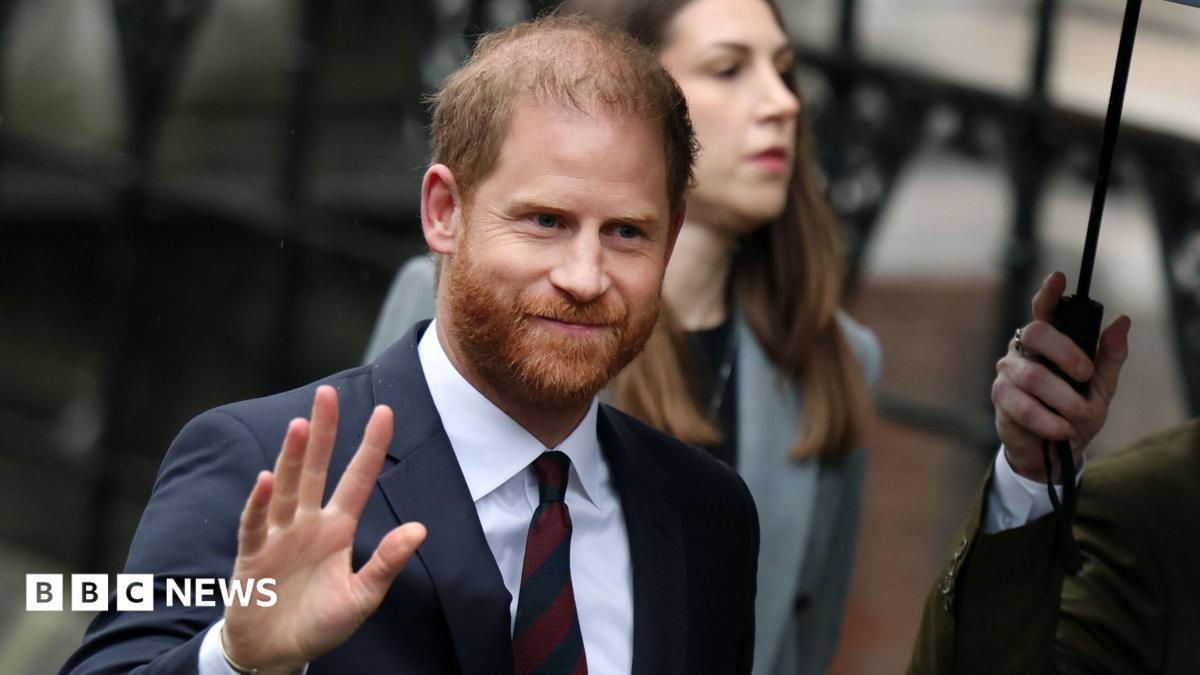
Prince Harry gave emotional evidence on the third day of a High Court trial in London against Associated Newspapers Ltd (ANL). He told the court that press intrusion had made his wife Meghan’s life an absolute misery. Multiple outlets reported he became tearful and described the case as deeply personal.
“Prince Harry concluded his evidence on the third day of his High Court privacy trial against Associated Newspapers Limited (publisher of the Daily Mail and Mail on Sunday), telling the court the publisher had made his wife Meghan's life ‘an absolute misery.’”
He said the litigation centres on a group action alleging decades of unlawful information-gathering by the Daily Mail and Mail on Sunday. The hearing is part of a nine-week trial involving six other claimants. The judge adjourned the session until the following day after Harry finished his testimony for the day.

Alleged unlawful information gathering
The claim alleges ANL engaged in long-running, systematic unlawful information-gathering, including phone-hacking, blagging, use of private investigators and surveillance, across articles spanning roughly 1993 to 2015. Harry's team says 14 contested ANL articles, many about his pre-Meghan relationships and private family discussions, were intrusive and damaging and cited specific examples such as stories about Chelsy Davy and Cressida Bonas and the publication of private conversations after a photograph of Diana's death. Some coverage highlights discrepancies in witness accounts — for example, an investigator who first admitted 'hundreds of jobs' and later denied unlawful conduct — which claimants' lawyers say could be significant to proving systematic wrongdoing.
Prince Harry testimony
Multiple reports described Harry as combative under cross-examination but emotional when discussing the personal impact. He denied that his social circle was 'leaky' and said he could not properly complain while an active royal because of the institution.
“Prince Harry, 41, became emotional on Wednesday while giving evidence at London's High Court in his privacy lawsuit against Associated Newspapers, saying the Daily Mail had made his wife Meghan's life ‘an absolute misery.’”
He recounted that press behaviour drove paranoia and strained relationships. Several outlets recorded moments when he grew sniffling or was 'on the verge of tears' and quoted him saying he wanted 'an apology and some accountability.'
Publisher denial and legal context
Associated Newspapers has vigorously denied the allegations. The publisher called the claims "preposterous smears" and said its reporters relied on legitimate sources such as friends and acquaintances; ANL will call current and former editors and reporters to contest the claims.
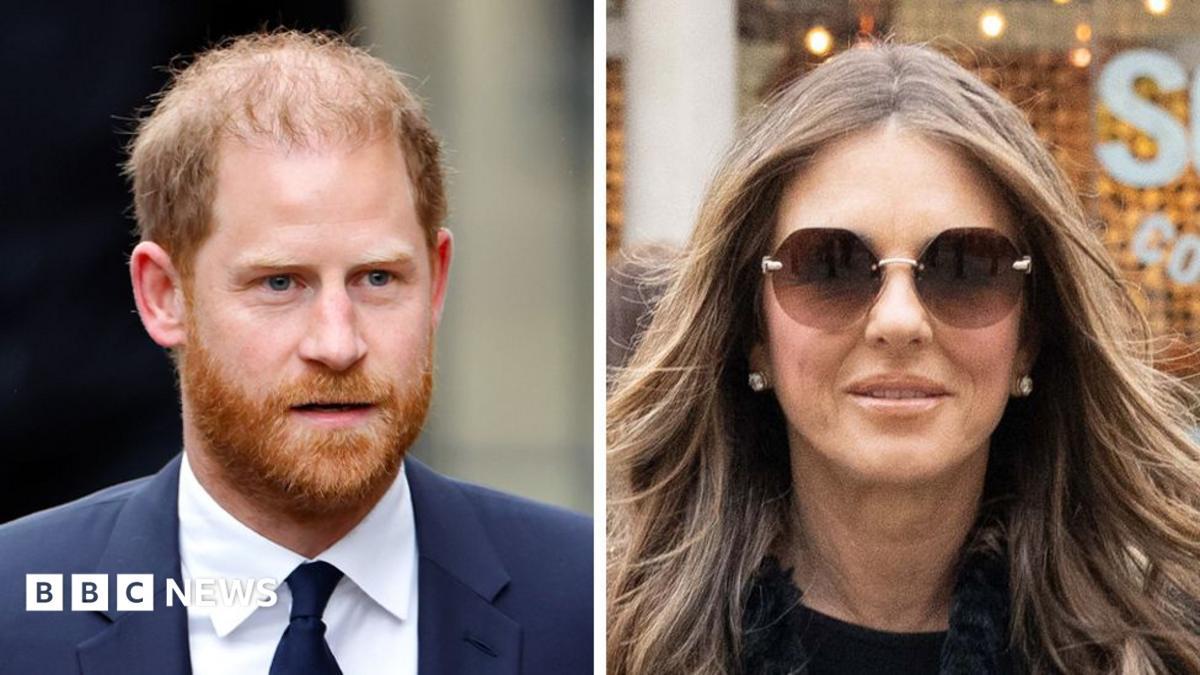
Reporting also emphasises the broader legal context: the judge has limited the trial to specified articles, and the case is one of several media-law actions arising from phone-hacking scandals. The lawsuit seeks significant damages for multiple high-profile claimants including Sir Elton John, Liz Hurley and Sadie Frost.
Differing media coverage
Coverage varies by source type. Western mainstream outlets such as the BBC, The Guardian and The Independent emphasize legal detail, provide contextual background, and highlight emotional impact. Investigative and regionally focused sources like Evrim Ağacı foreground the alleged systematic campaign and conflicting witness statements.
“Prince Harry concluded his evidence on the third day of his High Court privacy trial against Associated Newspapers Limited (publisher of the Daily Mail and Mail on Sunday), telling the court the publisher had made his wife Meghan's life ‘an absolute misery.’”
Tabloids such as The Sun report the headline quote more succinctly and sensationally. Lifestyle outlets like HELLO! and standard.co.uk frame the trial within a longer timeline of phone‑hacking scandals and previous settlements. Notably, CTV and The Straits Times entries provided here did not include article text: CTV’s snippet was site navigation rather than an article, and The Straits Times asked for the article, so those snippets add no reporting content.