Gaza Genocide29 November, 20252 min read
Prince William Visits Gaza Children Evacuated by UK Government for NHS Treatment
This article is an automated aggregation of coverage from news outlets. Our editorials offer in-depth analysis curated by the NewsCord team.
Prince William visited severely ill Gazan children receiving NHS treatment in the UK Fifty Gazan children and their families had been evacuated to the UK for treatment

6 outlets told this the same way.
Outlets did split on Thousands March in London Calling for Britain to Stop Arming Israel and Impose Sanctions →
Royal visit to evacuated children
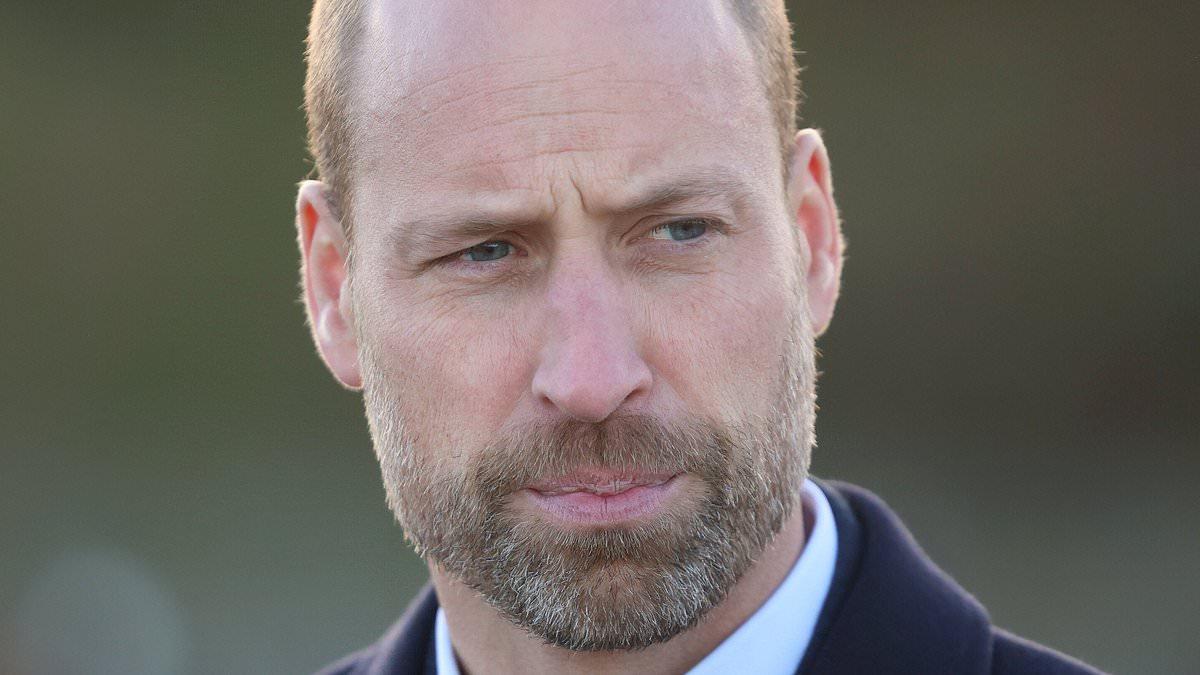
Prince William visited severely ill children who were medically evacuated from Gaza to the UK and are receiving specialist NHS care. He met a small number of youngsters to offer comfort and thanked NHS teams for their work.
“Prince William visited severely ill children from Gaza who have been evacuated to the UK for specialist NHS care, saying he was ‘moved by the courage’ of the youngsters and offering thanks to the NHS teams treating them.”
The UK government confirmed that 50 patients and their immediate family members have been brought to the UK as part of evacuation efforts that scaled up in the autumn, with the first two arrivals in May. Kensington Palace said the visit was framed as part of a government-led medical evacuation.

UK medical evacuations timeline
The government said it led medical evacuations that took place over the autumn. Officials reported that the first two patients arrived in May, with wider efforts expanding later. Kensington Palace and other officials portrayed the UK as providing safe, welcoming surroundings for those treated by the NHS.
Sky News and a government spokesman cited the timeline and numbers of patients evacuated. The Daily Mail reiterated the government's confirmation that medical evacuations occurred in the autumn. The Telegraph and the BBC placed the evacuations in the wider context of humanitarian concerns and Prince William's calls for better protection of health workers and infrastructure in Gaza.
William's visit and advocacy
William used the visit to amplify calls for protecting healthcare and humanitarian workers, to thank aid teams, and to underline his push for empathetic, service-focused leadership. The Telegraph highlights his advocacy for protecting medical infrastructure and notes the memorial he unveiled for humanitarian workers.
“Prince William has been urging better protection for healthcare workers and medical infrastructure in Gaza...”
The BBC cites his documentary remark that 'change is on my agenda…change for good'. Sky News reports his personal expressions of gratitude to NHS staff and his praise for the courage of children and caregivers.
Reporting on Gaza casualties
Reports record the human cost cited by Gaza’s Hamas-run health ministry and place the visit within the wider Israel–Gaza violence that began on 7 October 2023. The initial Hamas attack that began the conflict is consistently reported to have killed around 1,200 people and abducted 251. BBC and the Daily Mail cite Gaza health ministry figures putting Gaza deaths at about 70,000–70,100 during Israel’s attacks.
The Telegraph highlights aid-worker deaths (about 181 in Gaza), while Sky News and government sources stress the need for scaled-up aid and medical supplies after the ceasefire. Outlets attribute these casualty figures to the Gaza health ministry rather than presenting them as independently verified.
Media reactions to William's visit
Sky News and government spokespeople urged scaled-up aid and medical supplies for Gaza. Kensington Palace and the BBC emphasized the personal comfort William offered the children and his broader humanitarian agenda. The Telegraph noted that some of William's interventions—condemning the Oct 7 Hamas attack while calling for an end to the fighting—risked diplomatic tensions with Israel.
“After condemning the Oct 7 Hamas terror attack, he has since repeatedly called for an end to the fighting, at times making interventions that risked diplomatic tensions with Israel.”
This illustrated how different outlets balance political sensitivity with humanitarian messaging. The Daily Mail focused more on evacuation details and the casualty backdrop than on diplomatic nuance.
