Crime07 November, 20252 min read
Prison Authorities Release 262 Inmates in Error Including 90 Violent Offenders Still At Large
262 prisoners were mistakenly released in England and Wales in the year ending March 2025 At least 90 of the mistakenly released inmates were violent offenders, with some still at large

22 outlets told this the same way.
UK Prison Release Errors
UK prison authorities recorded 262 mistaken releases in the year to March 2025, representing a 128% increase compared to the previous year. Among these errors were 90 prisoners classified as violent or sex offenders. However, the number of those still at large is reported as at least four, not 90.
“Over the past year, 262 such cases were reported—more than double the previous year’s 115—with at least four prisoners still at large.”
High-profile cases include Brahim Kaddour-Cherif, who was re-arrested after a week, and William “Billy” Smith, who returned voluntarily. Media outlets also noted that police were informed of one release error only days later, which increased public concern and political scrutiny over release procedures and oversight.
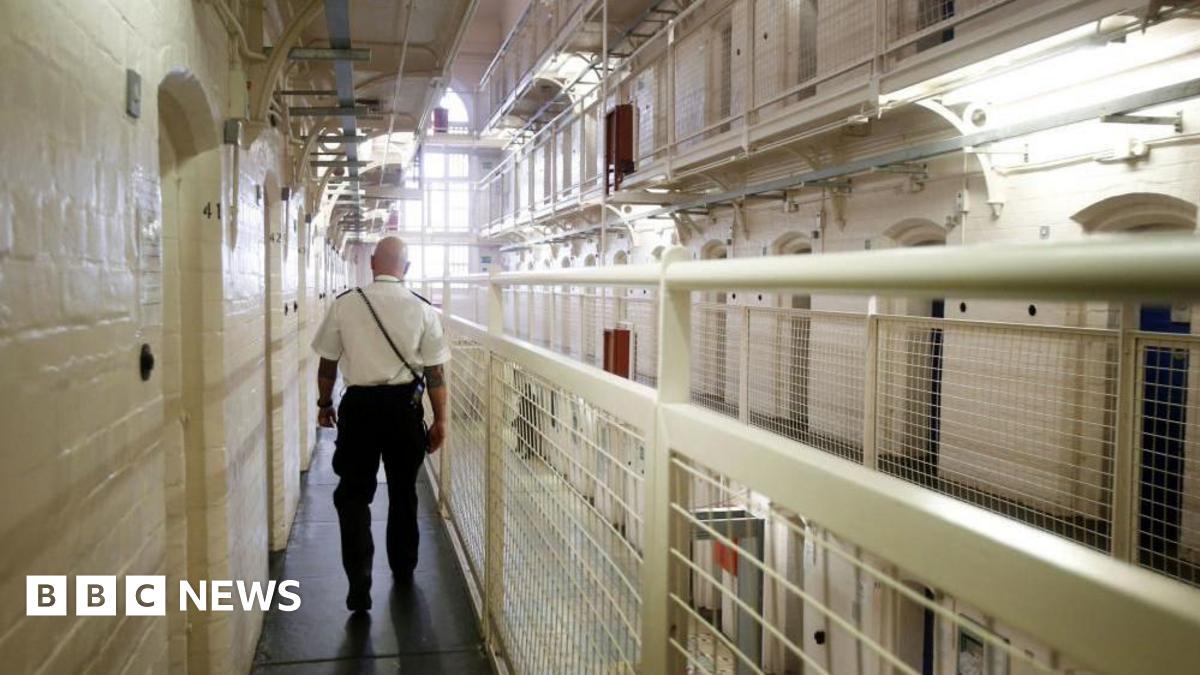
Mistaken Prisoner Releases
Recent cases highlight the wide range of failures in prisoner management. Brahim Kaddour‑Cherif, a 24‑year‑old Algerian, was mistakenly released from HMP Wandsworth on 29 October and was re‑arrested after more than a week on the run. William “Billy” Smith surrendered shortly after his wrongful release.
Another individual, Hadush Kebatu, a migrant convicted of sexual assault, was mistakenly released from HMP Chelmsford, re‑captured within days, and deported. International and UK media outlets reported that initial claims about asylum‑seeker status were later corrected, which added to public confusion as the stories developed.

Causes and Responses to Prison Errors
Multiple sources tie the spike in errors to systemic strain and outdated processes. BBC links the surge to overcrowding and staff shortages, noting an emergency early-release scheme last summer that let some inmates out after serving 40% instead of 50%. Nearly 40,000 early releases occurred, which officials say also contributed to the rise in mistakes.
“The prison system is under strain due to a rapidly growing inmate population and staff shortages... nearly 40,000 early releases but also contributing to the rise in mistaken releases.”
Technology is another fault line: the current NOMIS system is described as outdated and paper-heavy. The newer Digital Prison Services system will not be fully rolled out until 2029. In response, officials and ministers have announced tougher checks, an independent investigation, and accelerated digitisation to reduce human error.
Kaddour-Cherif Case Issues
Details of the Kaddour‑Cherif case reveal inconsistent reporting and serious procedural lapses. Several outlets say police were notified days late, hindering the manhunt. Others differ on his legal status and the nature of the error.
Some report a misclassified suspended sentence. Others say he was serving time for trespass with intent to steal amid deportation proceedings.
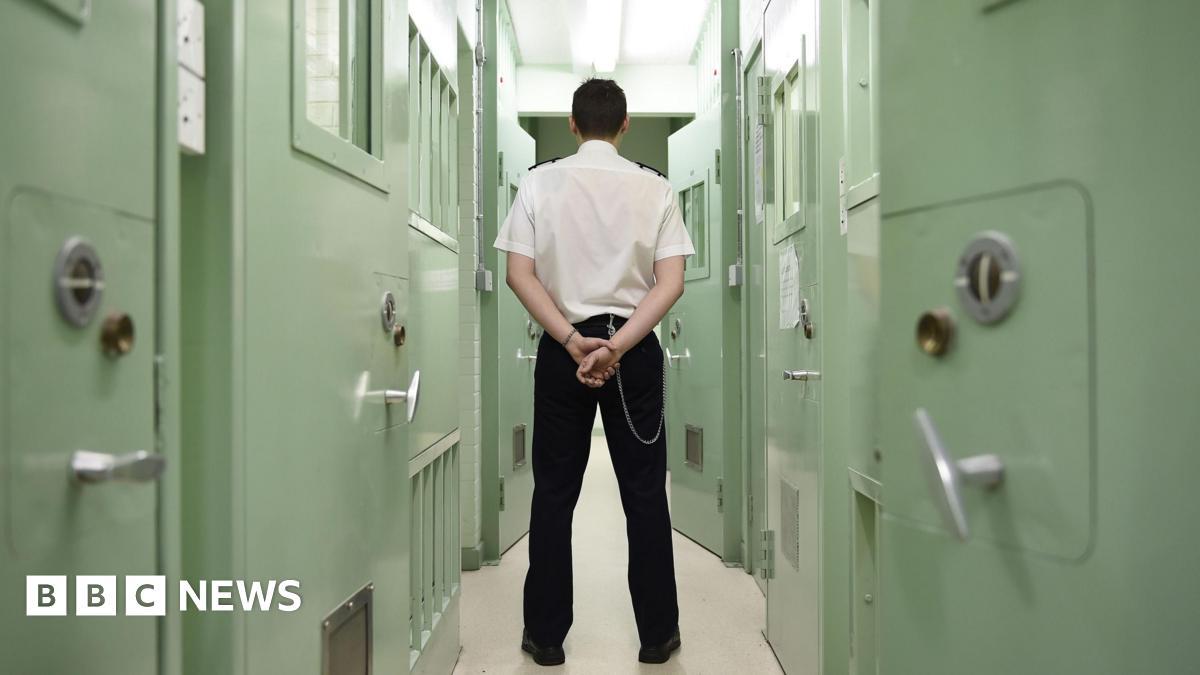
Another notes a community order for indecent exposure. Such discrepancies underscore the confusion surrounding documentation and processes during the wrongful release and recapture.
Political Response to Crisis
The political fallout has been immediate. Justice Secretary David Lammy acknowledged systemic failures and called the situation a “crisis.” He announced tougher release checks, an independent investigation, and modernization of paper‑based systems.
“Justice Secretary David Lammy acknowledged systemic failures inherited from previous administrations and announced new release checks, an independent investigation, and plans to modernize prison systems.”
The Prime Minister condemned the mistakes but defended Lammy. Opposition figures demanded transparency, accused Lammy of misleading the public, and called for stricter controls.

These controls include governors’ personal approval to release foreign offenders and immediate deportations after sentences. Governors and unions warned of broken systems, underinvestment, and risks to public trust.