Full Analysis Summary
Belfast murder trial details
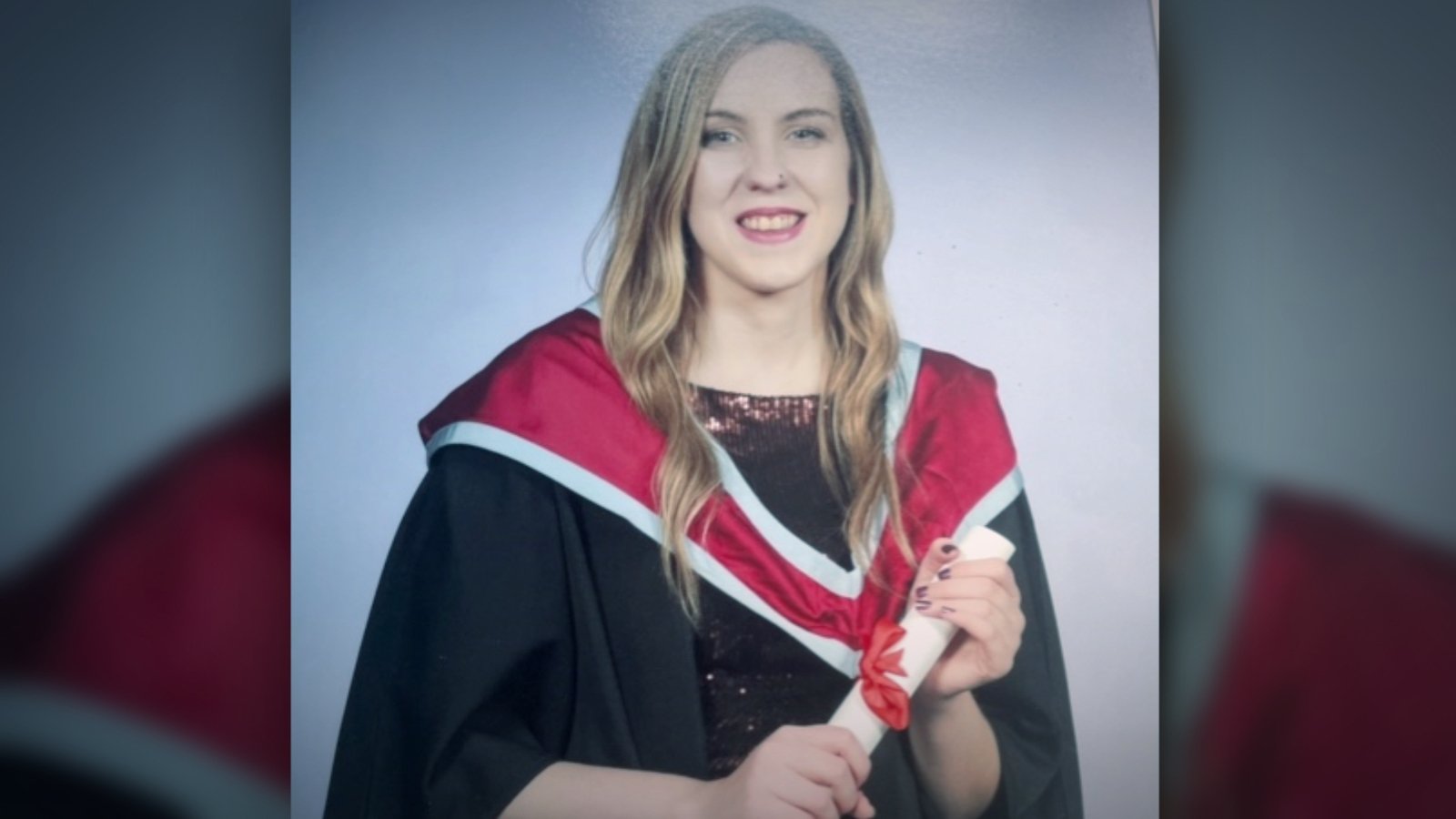
Prosecutors at Belfast Crown Court say Stephen McCullagh staged a tearful 999 call to cover the killing of his former partner, Natalie McNally.
McNally was found dead at her Silverwood Green home in Lurgan in December 2022.
The BBC reports McNally, 32 and 15 weeks pregnant, had multiple stab wounds and three wounds to her neck.
She also had fingertip bruising consistent with neck compression and blunt-force trauma from at least five heavy blows.
Prosecutors told jurors the neck injuries or the stab wounds could each have been fatal.
The prosecution says McCullagh phoned 999 from Natalie's home at about 22:00 on 19 December 2022.
In that call he can be heard sobbing and saying, 'please come as soon as you can, she's pregnant, she's cold' and 'No, she's gone…there's blood everywhere.'
Coverage Differences
Missed Information
BBC (Western Mainstream) provides full case details and quotations from the 999 call; RTE.ie (Western Alternative) did not supply an article on the case in the materials provided and instead requested the source text. Thus the detailed factual account and quotations come from BBC reporting, while RTE.ie supplies no substantive content to corroborate or offer an alternative framing.
Prosecution's account of events
Prosecutors told the jury they believe McCullagh planned and carried out the killing on the evening of 18 December 2022 and say he travelled to Lurgan, killed Natalie, and returned to Lisburn.
They also allege he used a pre-recorded live-stream as an alibi, and the BBC writes the prosecution says McCullagh claimed he had been live-streaming that evening but that the broadcast was pre-recorded and used as an alibi while he travelled to Lurgan.
The BBC account includes the timeline prosecutors offer (they say between about 20:50 and 21:30) and that McCullagh was arrested at the scene on 19 December before being released on 20 December after citing the live-stream alibi.
Coverage Differences
Narrative Framing
BBC frames the story as a detailed prosecutorial timeline with specific alleged actions (planning, travel, staged alibi). RTE.ie did not provide content to frame the prosecution's timeline in the supplied materials, so no alternative framing, quotes, or additional context (for example, defence response beyond what's in BBC) is available from that source.
Prosecution and defence accounts
The BBC reports on McCullagh's statements to police and his plea in court.
He denies murder and told police an ex-partner was responsible.
He said he had visited Natalie the night she was found because she was diabetic.
Prosecutors describe graphic injuries and say the neck injuries or stab wounds could each have been fatal.
They opened their case to a jury of 12 with Natalie's parents in attendance.
Those facts are presented as the prosecution's account and as McCullagh's denials in the BBC report.
No separate RTE article text was provided in the material supplied to offer differing details or additional defence statements.
Coverage Differences
Contradiction
BBC reports both the prosecution's detailed allegations and McCullagh's denials (including his claim an ex-partner was responsible). RTE.ie supplied no article text in the materials given, so it neither corroborates nor contradicts BBC's account; the absence of RTE coverage in the supplied content is itself a notable gap.
Reliance on BBC reporting
This summary relies on the BBC account because it supplies the substantive court reporting in the provided materials.
RTE.ie’s supplied text did not include the PA article or related reporting for this case, so it cannot be used to cross-check or broaden the narrative.
Only the BBC article contains case details in the documents given.
Readers should note the absence of additional source perspectives and that any further corroboration or alternative framing would require additional reporting beyond what was provided.
Coverage Differences
Missed Information
The supplied sources include detailed BBC reporting and an RTE.ie message requesting the article text; RTE.ie did not contribute coverage in the materials provided, creating a gap in cross-source comparison. This paragraph explicitly highlights that limitation rather than extrapolating facts not present in the supplied sources.