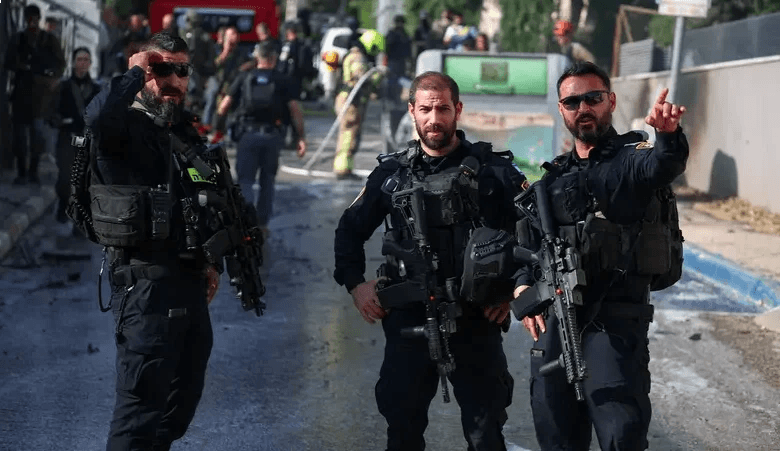
Protesters Shut Schools And Shops In Northern Israel Over Lebanon Ceasefire
Key Takeaways
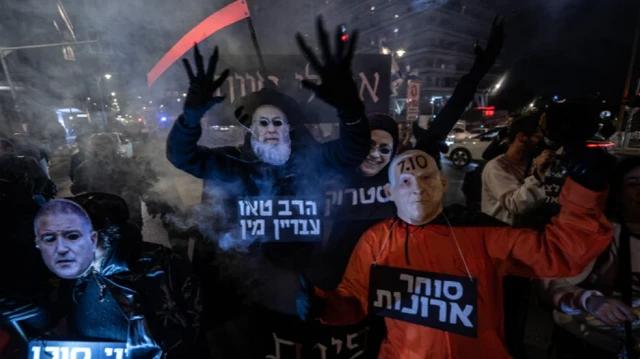
- Shops and schools shut in northern Israel to protest the 10-day Lebanon ceasefire
- Protests occurred in Haifa and Kiryat Shmona as part of broader discontent
- Israeli opposition criticized the ceasefire terms and handling
Ceasefire Sparks Northern Protests
A 10-day ceasefire with Lebanon that took effect on April 16 triggered protests across northern Israel, with residents shutting schools and shops in opposition to the truce.
“Toggle Play Schools, shops shut in northern Israel to protest the Lebanon ceasefire Read more Shops and schools shut in northern Israel as residents protested a 10-day ceasefire with Lebanon that took effect on April 16, saying “nothing was achieved””
Al Jazeera reported that residents said “nothing was achieved,” while Israeli officials said operations may continue with forces still deployed inside southern Lebanon.

The Times of Israel described hundreds of residents from Kiryat Shmona protesting outside the Prime Minister’s Office and the United States embassy in Jerusalem against the ceasefire with Hezbollah.
The protest was organized as part of a larger strike orchestrated by the Kiryat Shmona municipality, which said all non-essential services would be suspended on Sunday and that the city’s education system was shuttered, with the exception of special education infrastructure.
The Times of Israel also said a convoy of vehicles departed Kiryat Shmona for Jerusalem on Sunday morning to bring the city’s demands to decision-makers.
In parallel, Yaffa News Network said a number of Israelis gathered in Kiryat Shmona near the border with Lebanon on Sunday, launching a strike in protest against the fragile ceasefire with Hezbollah, and that city representatives planned further protests in Jerusalem.
The protests were framed around demands for the complete disarmament of Hezbollah and stronger missile protection for border areas, especially schools and kindergartens, after repeated shelling during the recent war.
Trump, Netanyahu, and the Truce
The ceasefire’s political shock reverberated through Israel’s opposition and government messaging, with Le Monde describing it as “imposed by Trump on Netanyahu” and tying it to the election campaign ahead of general elections scheduled for October.
Le Monde said the ceasefire in Lebanon was announced on Thursday, April 16, by US President Donald Trump, and that on Friday leading opponents of Prime Minister Benjamin Netanyahu criticized the truce imposed by the United States between Israel and Hezbollah after 46 days of war.
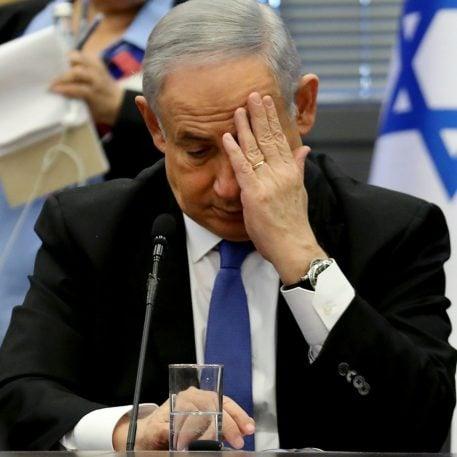
It quoted Trump’s Truth Social post, saying: "Israel will not be bombing Lebanon any longer. They are PROHIBITED from doing so by the USA. Enough is enough!!!"
Le Monde also said Netanyahu insisted in a video message that the war had pushed back “threats coming from Lebanon,” but added: "We have not yet finished the job."
The Times of Israel described the protest in Jerusalem as directed at US President Donald Trump, who it said imposed the ceasefire and publicly declared that Jerusalem was “prohibited” from carrying out any more strikes in Lebanon.
In Kiryat Shmona, Mayor Avichai Stern addressed his remarks to Trump outside the US embassy, asking: “President Trump, you wouldn’t let your kids live under threat. Why are you letting our children live like this?”
The Times of Israel further said Stern called on Netanyahu and governments “past and present,” declaring: “You have been abandoning us since 1969,” and “You have done nothing to protect the residents of Kiryat Shmona.”
Education Shutdown and Competing Voices
The protests’ decision to shutter education became a flashpoint between municipal organizers and national political figures, with the Times of Israel reporting that the closure of schools prompted anger from Education Minister Yoav Kisch.
“The ceasefire in Lebanon, announced on Thursday, April 16, by US President Donald Trump, did not come as good news for Israel”
The Times of Israel said Kisch told Army Radio: “I am not making any claims about the mayor’s political protest,” and then argued: “It is a big mistake to involve the education system in any strike. Harming children and taking the education system hostage for any purpose is a big mistake.”
The same report described how the Kiryat Shmona municipality said the education system was shuttered, with the exception of special education infrastructure, and that all non-essential services would be suspended on Sunday.
Yaffa News Network similarly said that according to the Israeli Public Broadcasting Corporation, the Kiryat Shmona municipality was shut down and the education system suspended, while city representatives planned further protests in Jerusalem.
The Times of Israel also gave a municipal rationale for the strike, quoting the municipality’s “demands” as “Dismantling Hezbollah as a military and civilian organization, ensuring effective defensive lines and defense systems on the northern border, and full protection for every resident and public institution, particularly educational institutions.”
It said protesters were joined by Kiryat Shmona Mayor Avichai Stern, who despite being a member of Prime Minister Benjamin Netanyahu’s Likud party has been an outspoken critic of the government’s actions in northern Israel since the previous bout of fighting with Hezbollah erupted in October 2023.
In addition to Kisch’s criticism, the Times of Israel quoted opposition support from Yair Golan, chair of the left-wing The Democrats party, who told Army Radio: “They are absolutely right. What is happening is simply a disgrace.”
Ceasefire Holds, But Breaches Loom
While protests continued, some reporting described a return to normalcy as the shaky truce appeared to hold, alongside warnings that hospitals might revert to underground operations if the ceasefire fell apart.
The Times of Israel said “an air of normalcy began to return to northern Israel as the shaky truce appeared to hold,” and it quoted the Health Ministry that it had directed all hospitals in the north to resume aboveground operations.
The same report said this was “in accordance with IDF Home Front Command instructions and an up-to-date security assessment,” and it added that if the ceasefire falls apart, hospitals remained ready to return to underground operations within a few.
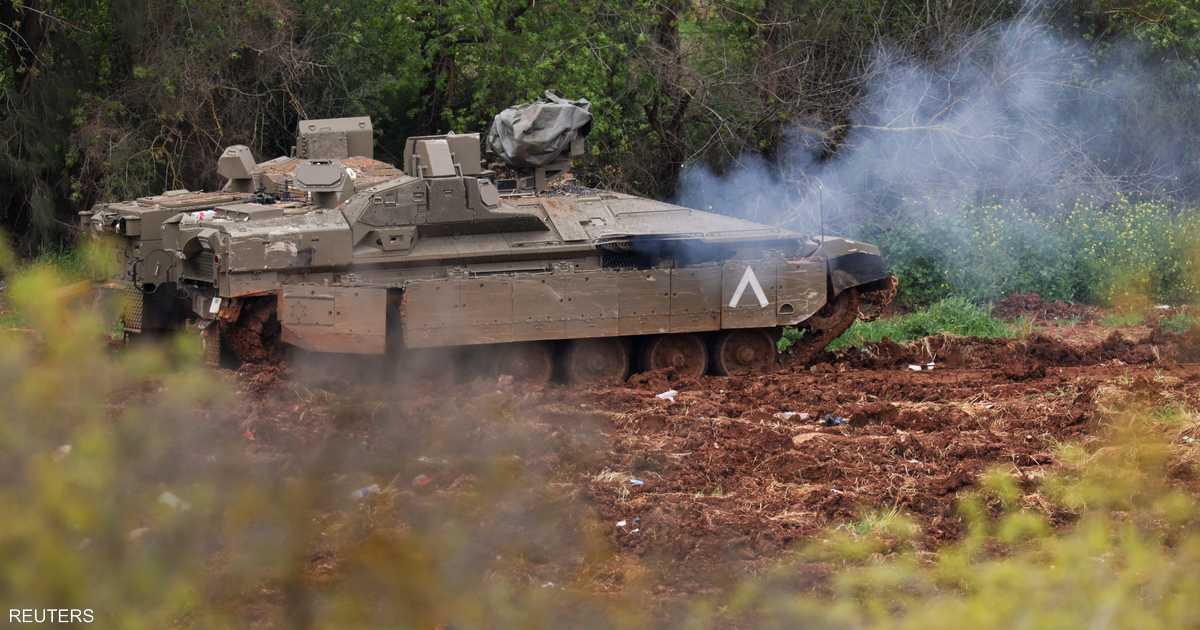
Al Jazeera’s report on northern Israel protests also said Israeli officials said operations may continue, with forces still deployed inside southern Lebanon, indicating that the ceasefire did not translate into a full withdrawal.
Yeni Safak English described protests in Haifa and surrounding areas, saying rallies at Horev and Karkur junctions demanded an immediate end to the offensive against Lebanon and that the protests highlighted “deepening domestic divisions” as the government faced criticism for its conduct of the war and continued ceasefire violations.
Yeni Safak English said the protests coincided with persistent breaches of a fragile ten-day truce agreement that formally commenced at midnight Friday, and it claimed Israeli forces conducted strikes and destroyed infrastructure in southern Lebanon during the previous twenty-four hours in response to alleged violations.
In Yaffa News Network, the Israeli army announced the establishment of a “yellow line” in southern Lebanon, and Prime Minister Benjamin Netanyahu said Israeli forces would remain deployed up to 10 kilometers inside Lebanese territory.
Humanitarian Toll and What’s Next
The sources also quantify the humanitarian and demographic impact of the Lebanon war and connect it to what protesters and officials say must follow the ceasefire.
“Hundreds of residents from the northern border city of Kiryat Shmona protested on Sunday outside the Prime Minister’s Office and the United States embassy in Jerusalem against the ceasefire with Hezbollah, which was reached on Thursday after weeks of relentless rocket and drone attacks against communities in northern Israel”
Yeni Safak English said the military campaign initiated on March second had inflicted catastrophic consequences on Lebanese civilians, stating that official figures from Beirut indicated the offensive had claimed the lives of over two thousand two hundred ninety-four individuals and left more than seven thousand five hundred forty-four wounded.
It added that the violence had forcibly displaced over one million people from their homes, creating a severe humanitarian emergency in the Mediterranean nation.
Yaffa News Network similarly said estimates suggest the recent war has killed around 2,300 people in Lebanon and displaced over one million, particularly from the south and the southern suburbs of Beirut.
In Kiryat Shmona, the Times of Israel reported that the city had been targeted the most by Hezbollah in both the recent round of violence and the year of hostilities in 2023-2024, prompting a large share of residents to evacuate.
It said that prior to October 2023, roughly 24,500 people called Kiryat Shmona home, and that as of September 2025, the population had dropped to 18,600.
The Times of Israel also quoted Stern listing “A train, transportation, health services,” and saying “We have been begging for a hospital,” while Al Jazeera said Israeli officials said operations may continue.
More on Lebanon

Israeli Soldier Smashes Jesus Christ Statue in Debel, Lebanon, IDF Confirms Image
10 sources compared

Naim Qassem Says Hezbollah Truce With Israel Must Be Two-Sided, Vows Response To Attacks
16 sources compared

Macron Blames Hezbollah for Killing French UNIFIL Peacekeeper in Southern Lebanon
16 sources compared
Lebanese Return to South Lebanon After Israel-Lebanon 10-Day Ceasefire Takes Hold
27 sources compared