
Macron Blames Hezbollah for Killing French UNIFIL Peacekeeper in Southern Lebanon
Key Takeaways
- French UNIFIL soldier killed, three others wounded in southern Lebanon attack.
- Macron says Hezbollah was responsible; Hezbollah denies involvement.
- UNIFIL and officials describe the attack as likely Hezbollah-led.
French UNIFIL ambush
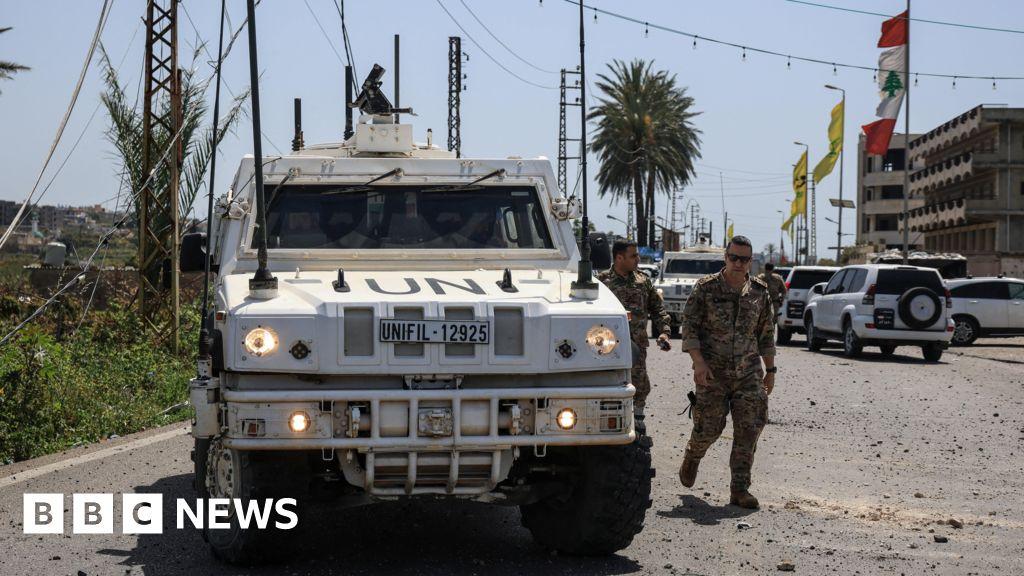
A French peacekeeper was killed and three others were wounded after a UN patrol came under fire in southern Lebanon, in an incident officials described as a deliberate attack.
“A French soldier serving with the United Nations peacekeeping mission in Lebanon has been killed, and three others were wounded in an attack that UNIFIL and French officials said was likely carried out by Hezbollah”
The BBC reported that the soldier was serving with the United Nations Interim Force in Lebanon (Unifil), which confirmed that one peacekeeper had died and three others were injured, “two of them seriously,” when their patrol came under “small-arms fire.”

French President Emmanuel Macron blamed the attack on Hezbollah, while the Iran-backed armed group denied “any connection” to the incident.
The BBC said Unifil confirmed the French peacekeeper’s body would be repatriated to Paris, and it described treatment for two severely injured peacekeepers in Beirut and a third peacekeeper being treated for “moderate injuries” in southern Lebanon.
The attack occurred as Unifil said its patrol was clearing explosive ordnance along a road in the village of Ghanduriyah to reconnect isolated positions.
The Times of Israel added that the patrol was clearing explosive ordnance “to re-establish links with isolated UNIFIL positions” when it came under small-arms fire from “non-state actors.”
Le Monde placed the ambush in Al-Ghandouriyah, “not far from the Deir Kifa base,” and said the incident followed “46 days of war” and “the extreme fragility of the truce.”
Ceasefire and escalation
The ambush unfolded amid heightened tensions in southern Lebanon and shortly after a ceasefire between Israel and Lebanon took effect.
The BBC said the incident came as renewed fighting between Hezbollah and Israel erupted on 2 March, and it noted that a “10-day ceasefire between Israel and Lebanon came into effect on 16 April.”
The BBC also reported that the US, which announced the deal, urged Hezbollah to abide by its terms, and it quoted Macron saying, “Everything suggests that responsibility for this attack lies with Hezbollah.”
Al Jazeera tied the timing to the broader regional conflict, saying the deadly incidents came “just days after an Israel-Lebanon 10-day ceasefire took effect and days before a truce in the United States-Israel war on Iran was set to expire.”
It also described how Lebanon was drawn into the war in early March after Hezbollah fired rockets towards Israel in response to the US-Israeli killing of Iranian Supreme Leader Ali Khamenei on February 28, and it said Israel responded with “a devastating bombing campaign and a ground invasion” that killed “more than 2,000 people” and forced “more than 1.2 million others from their homes.”
Le Monde framed the killing as a consequence of “the extreme fragility of the truce” after “46 days of war,” emphasizing how peacekeepers “have paid the price” for that instability.
The Kurdistan24 report similarly described the attack as occurring “just days after Israel and Lebanon agreed to a 10-day ceasefire aimed at ending six weeks of intense fighting between Israeli forces and Hezbollah.”
Macron, UNIFIL, Hezbollah
The incident triggered immediate, sharply worded reactions from France, UNIFIL, and Hezbollah, with Lebanese leaders ordering investigations.
“French UNIFIL soldier killed in Lebanon, Hezbollah responsible, says Macron French President Emmanuel Macron announced the death of a French UN peacekeeping soldier Saturday following an attack that also left three people wounded in southern Lebanon, saying that "everything suggests" Hezbollah was responsible for the attack”
The BBC reported that Macron blamed the attack on Hezbollah and quoted him saying, “Everything suggests that responsibility for this attack lies with Hezbollah,” while also adding, “France demands that the Lebanese authorities immediately arrest the perpetrators and take their responsibilities alongside Unifil.”
The Times of Israel described UNIFIL’s response as condemning “this deliberate attack on peacekeepers engaged in their mandated tasks” and said UNIFIL launched an investigation “to determine the circumstances surrounding this tragic incident.”
Hezbollah denied involvement, and the BBC said the group denied “any connection” to the incident while calling for “caution in making judgements and assigning blame regarding the incident, pending the Lebanese army's investigation to determine the full circumstances.”
Al Jazeera likewise reported that Hezbollah rejected the allegations, calling for “exercising caution in issuing judgements regarding the incident,” and it quoted Hezbollah saying, “We deny any connection to us with the incident that occurred with UNIFIL forces in the Ghandouriyeh area in Bint Jbeil.”
Lebanon’s President Joseph Aoun condemned the attack and told Macron during a phone call that those responsible would be brought to justice, while Prime Minister Nawaf Salam ordered an investigation, according to the BBC.
The Al Sharq report (الشرق) added that the Lebanese Prime Minister said he had given “his firm instructions to conduct an immediate investigation to uncover the circumstances of this attack and hold the perpetrators accountable.”
Where and how it happened
Multiple outlets described the patrol’s mission and the location of the attack, while also differing on some operational details.
The BBC said Unifil confirmed the patrol was clearing explosive ordnance along a road in the village of Ghanduriyah to reconnect isolated positions, and it said the Lebanese Armed Forces said the incident followed exchanges of fire with armed individuals while coordinating closely with Unifil.

The Times of Israel similarly described the patrol clearing explosive ordnance along a road in the village of Ghanduriyah “to re-establish links with isolated UNIFIL positions,” and it said the patrol came under small-arms fire from “non-state actors.”
Le Monde placed the incident in Al-Ghandouriyah, “not far from the Deir Kifa base,” and said the French soldiers were carrying out reconnaissance for a logistical operation scheduled for the following day, spotting an IED and trying to remove it.
Le Monde also quoted a French source saying, “French soldiers saw those who were shooting at them. They were members of Hezbollah,” and it added that “there was no decision from the central command” of Hezbollah to target them.
France 24 and the PBS/AP reporting described the attack as occurring near the southern Lebanese village of Ghandouriyeh and said the patrol was on a mission to open a route toward a UNIFIL post that had been isolated for several days due to fighting between Hezbollah and Israeli forces.
The Kurdistan24 report identified the fallen soldier as Staff Sergeant Florian Montorio and said he was “fatally shot during the ambush,” while UNIFIL said its initial assessment indicated the attack was carried out by “non-state actors,” “allegedly” Hezbollah, and described it as a “deliberate attack” that could amount to war crimes.
International response and stakes
The attack drew condemnation and calls for accountability from multiple governments and UN-linked statements, while raising questions about the safety of peacekeepers during a fragile truce.
“An operational and intelligence assessment found that a Hezbollah terrorist cellopened fireon UNIFIL forces a day earlier as they attempted to clear unexploded ordnance in the Al-Ghandouriyah area of southern Lebanon,the Israel Defense Forces said on Sunday”
The BBC said a spokesperson for UN Secretary General António Guterres condemned the attack and urged all parties to “respect the cessation of hostilities and to cease fire,” adding that an initial assessment from UNIFIL suggested fire came from “non-state actors,” which they presumed to be Hezbollah.

The BBC also reported that UNIFIL warned that under international law “all actors” were obliged to ensure the “safety and security” of UN personnel, and it said “deliberate attacks” on peacekeepers were “grave violations” of international humanitarian law and could amount to war crimes.
The Al Sharq report said Saudi Arabia’s Ministry of Foreign Affairs condemned the attack on a French battalion within UNIFIL forces, stressing “the need for the perpetrators to receive deterrent punishment after these repeated attacks.”
Lebanon’s own authorities were also described as moving toward investigations and detentions, with the Al Sharq report saying the Lebanese Army was “conducting the necessary investigations to determine the circumstances of the incident and to detain those involved.”
The Times of Israel said Macron’s office reported calls with Lebanese President Joseph Aoun and Prime Minister Nawaf Salam to urge them to “guarantee the security of UNIFIL soldiers,” and it reported that Aoun vowed to prosecute those who targeted the peacekeepers while Salam said he had ordered an investigation.
Across the reporting, the stakes were repeatedly tied to whether the ceasefire holds and whether international forces can operate safely, with Haaretz and JNS.org both attributing responsibility to Hezbollah based on IDF or intelligence assessments.
More on Lebanon

Naim Qassem Says Hezbollah Truce With Israel Must Be Two-Sided, Vows Response To Attacks
16 sources compared
Israel Attacks Lebanon After Ceasefire, Leaving Nabatieh Residents Returning to Destroyed Homes
35 sources compared
Lebanese Return to South Lebanon After Israel-Lebanon 10-Day Ceasefire Takes Hold
27 sources compared
IDF Continues Attacks on Hezbollah in Southern Lebanon Despite 10-Day Ceasefire
10 sources compared