IDF Continues Attacks on Hezbollah in Southern Lebanon Despite 10-Day Ceasefire
Key Takeaways
- A 10-day ceasefire between Israel and Hezbollah began at midnight.
- IDF says it will continue attacking Hezbollah in southern Lebanon during the ceasefire.
- The ceasefire is US-brokered with goals of talks and Hezbollah disarmament.
Ceasefire begins, terms clash
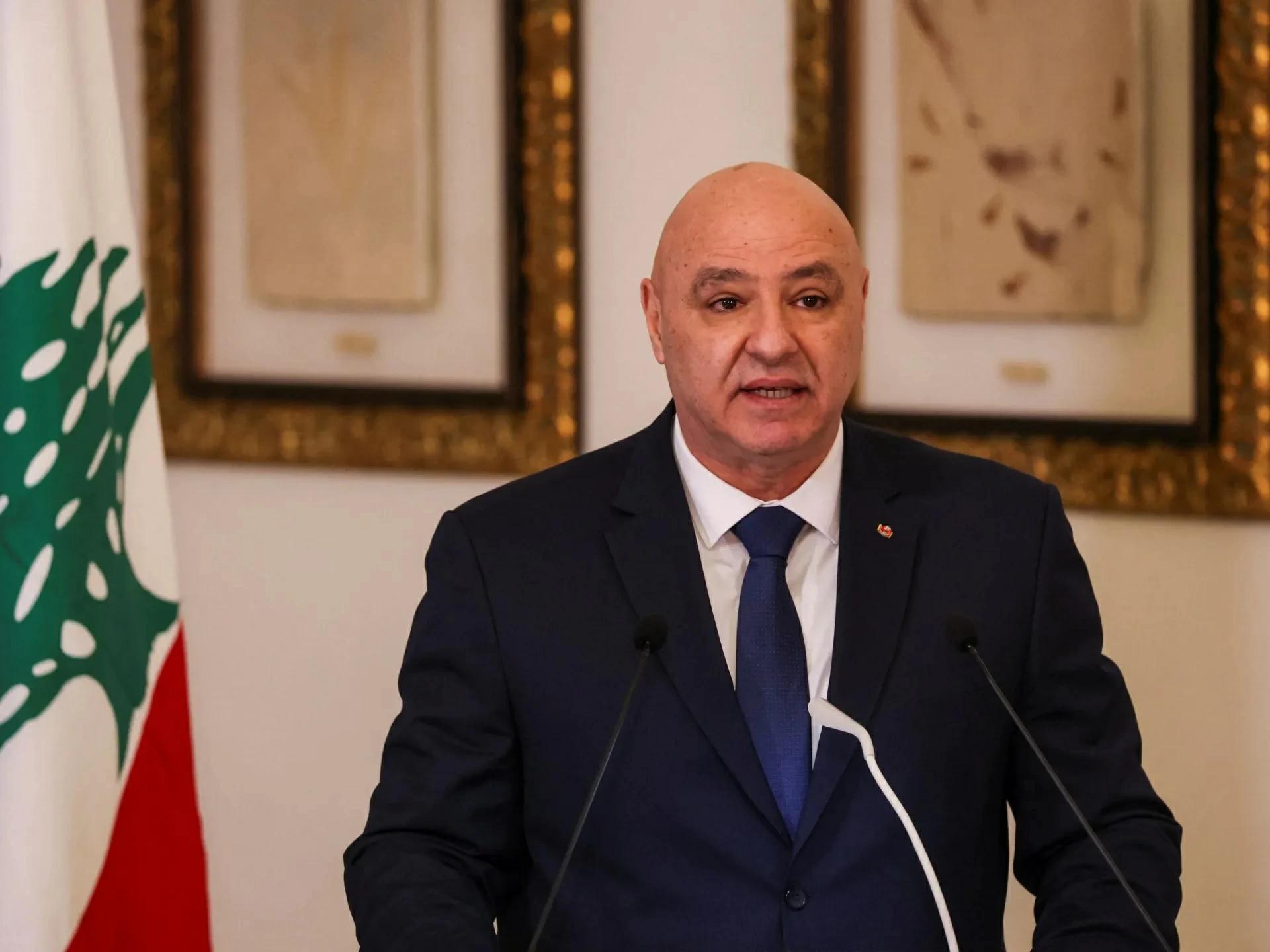
A 10-day ceasefire between Israel and Hezbollah in Lebanon took effect at midnight on Friday, April 17, after US President Donald Trump announced the deal earlier in the day following phone calls with Lebanese President Joseph Aoun and Israeli Prime Minister Benjamin Netanyahu.
“Celebrations have been reported in Lebanon after a 10-day ceasefire took effect, paving the way for talks between Israeli and Lebanese officials on a longer-term deal, according to the US State Department”
Le Monde reported that the ceasefire suspended “46 days of war that killed 2,196 people in Lebanon, many of them civilians, and 15 on the Israeli side (13 soldiers and two civilians).”.

The Guardian said Trump announced the truce to be followed by “a meeting between Israeli and Lebanese leaders next week,” and described it as a step toward progress on a parallel peace agreement between the US and Iran.
Al Jazeera reported that the truce entered into effect at midnight and “has held firm to this moment, despite mutual shelling beforehand,” with Hezbollah firing “dozens of rockets toward settlements in the Galilee.”
In Israel, The Jerusalem Post said the IDF would continue to attack Hezbollah fighters in southern Lebanon “despite ceasefire,” unless they surrender, and it framed the ceasefire as limited.
Multiple outlets also described the ceasefire’s core dispute: Lebanon wants Israeli withdrawal, while Netanyahu’s government wants Hezbollah disarmed, with Le Monde stating the agreement “offered no solution to the two main points of contention.”
Disarmament and the security strip
From the outset, the ceasefire’s practical meaning diverged between Israeli military posture and Lebanese expectations, with repeated emphasis on disarmament and a continuing Israeli security footprint.
The Guardian said Netanyahu insisted that “the disarmament of Hezbollah remained a precondition,” and it reported that Netanyahu would maintain a 10km “security zone” along the border in southern Lebanon.
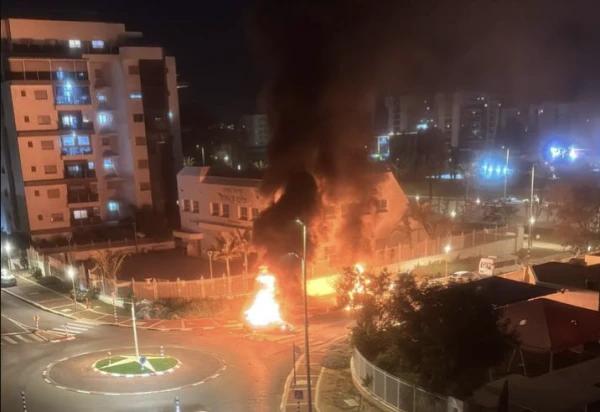
All Israel News likewise described the agreement’s border control, saying “the Israeli military remained in control of a roughly 10 km strip along the border,” and it quoted Netanyahu: “This is a security buffer that starts at the sea and continues to Mount Dov and the foothills of Mt. Hermon, up to the Syrian border.”
The Jerusalem Post went further in defining the IDF’s long-term interpretation, stating the IDF would remain in southern Lebanon “indefinitely” and view the Litani River as the “new security line with Hezbollah, unless the terror group agrees to disarm.”
Sky News Arabia reported a senior Israeli official telling The Jerusalem Post that “The forces are deployed from Naqoura to Syria and will not withdraw,” and that Israel would continue demolishing buildings “as required for security purposes.”
In parallel, Lebanese President Joseph Aoun described direct negotiations as “precise and decisive,” insisting that they require “unified national responsibility,” and he said Lebanon’s position is to “establish a ceasefire, ensure Israel's withdrawal.”
US mediation and Hezbollah’s role
Several reports tied the ceasefire’s implementation to US mediation while also describing how Hezbollah would be treated within the truce framework.
“Until the final hours, Hezbollah kept firing rockets toward Israel, while the Israeli military carried out heavy bombardments in southern Lebanon”
Al Jazeera said celebrations were reported in Lebanon after the 10-day ceasefire took effect, “paving the way for talks between Israeli and Lebanese officials on a longer-term deal,” and it attributed the development to the US State Department.
It also reported that Trump said on Thursday he hopes Hezbollah “acts nicely and well” during the 10-day truce, and it described Netanyahu hailing the truce as an opportunity for a “historic peace agreement” while insisting that disarmament of Hezbollah remained a condition.
The Guardian similarly said Trump announced the ceasefire after “excellent conversations” with Joseph Aoun and Benjamin Netanyahu, and it reported that Hezbollah member Hassan Fadlallah attributed the deal to “Iranian diplomatic efforts.”
Long War Journal described the ceasefire as brokered, or “to some degree imposed,” by the United States and said it “is expected to last 10 days.”
Today (L’Orient Today) framed the political question inside Lebanon as what the executive will do about Hezbollah during the truce, stating that “an extension of the ten-day truce depends on serious action by the Lebanese government regarding the disarmament of the militia.”
Dispute inside Israel and coalition
Beyond the battlefield, Al Jazeera described anger and accusations inside Israel after the ceasefire began, including claims of Netanyahu’s “treason” and fractures within the governing coalition.
Walid Al-Omari, director of Al Jazeera’s Ramallah bureau, said there was “rising anger inside Israel following the implementation of the ceasefire with Lebanon,” alongside “accusations against Prime Minister Benjamin Netanyahu of treason.”

He reported that the truce was approved in a way that sparked “broad discontent within the Israeli security cabinet,” with some members learning of the decision “through the media, without a vote or discussion,” while the Prime Minister’s Office described it as a “technical glitch.”
Al Jazeera also said the opposition intensified its attack, stating that “US President Donald Trump saved Israel from Netanyahu's web of lies,” and it claimed Netanyahu had caused “three humiliating defeats since October 7, 2023” without disarming Hezbollah.
The outlet described skepticism among northern border communities, referencing the “Lobby 1701” and local authorities who “expressed feeling that the government had thrown them to ruin and acted without regard for their security.”
In parallel, The Jerusalem Post framed the IDF’s stance as an “unambiguous official commitment” that the military will remain in southern Lebanon “indefinitely,” and it described this as the first aggressive interpretation of ceasefire limits by any senior Israeli official.
What happens next and what’s at stake
The sources repeatedly tied the next phase to whether Lebanon and Hezbollah will take steps toward disarmament and whether Israel will treat the ceasefire as a pause or a pathway to longer-term arrangements.
“Donald Trump has announced a 10-day ceasefire in Lebanon to be followed by a meeting between Israeli and Lebanese leaders next week, in a deal that it is hoped will bring progress toward a parallel peace agreement between the US and Iran”
Today (L’Orient Today) said “an extension of the ten-day truce depends on serious action by the Lebanese government regarding the disarmament of the militia,” and it described the Salam government’s plan to “again turning to the army” to secure “the exclusive control of weapons throughout Lebanese territory.”
Al Jazeera reported that “Temporary truce” fuels fear because Israel demands Hezbollah’s disarmament while refusing to withdraw from southern Lebanon, and Beirut insists on a full Israeli withdrawal.
In Israel, All Israel News quoted IDF sources saying, “We want the Lebanese state to take responsibility for the situation and prepare a plan to disarm Hezbollah,” and it described how the ceasefire terms prohibit offensive operations while preserving self-defense.
The Guardian added that the Lebanese army warned people displaced from southern Lebanon about returning home because of intermittent shelling reported after the ceasefire came into effect.
Le Monde described the ceasefire as leading to direct negotiations for the first time since the Madrid Peace Conference in 1991, but it emphasized that the agreement did not resolve the two main points of contention.
More on Lebanon
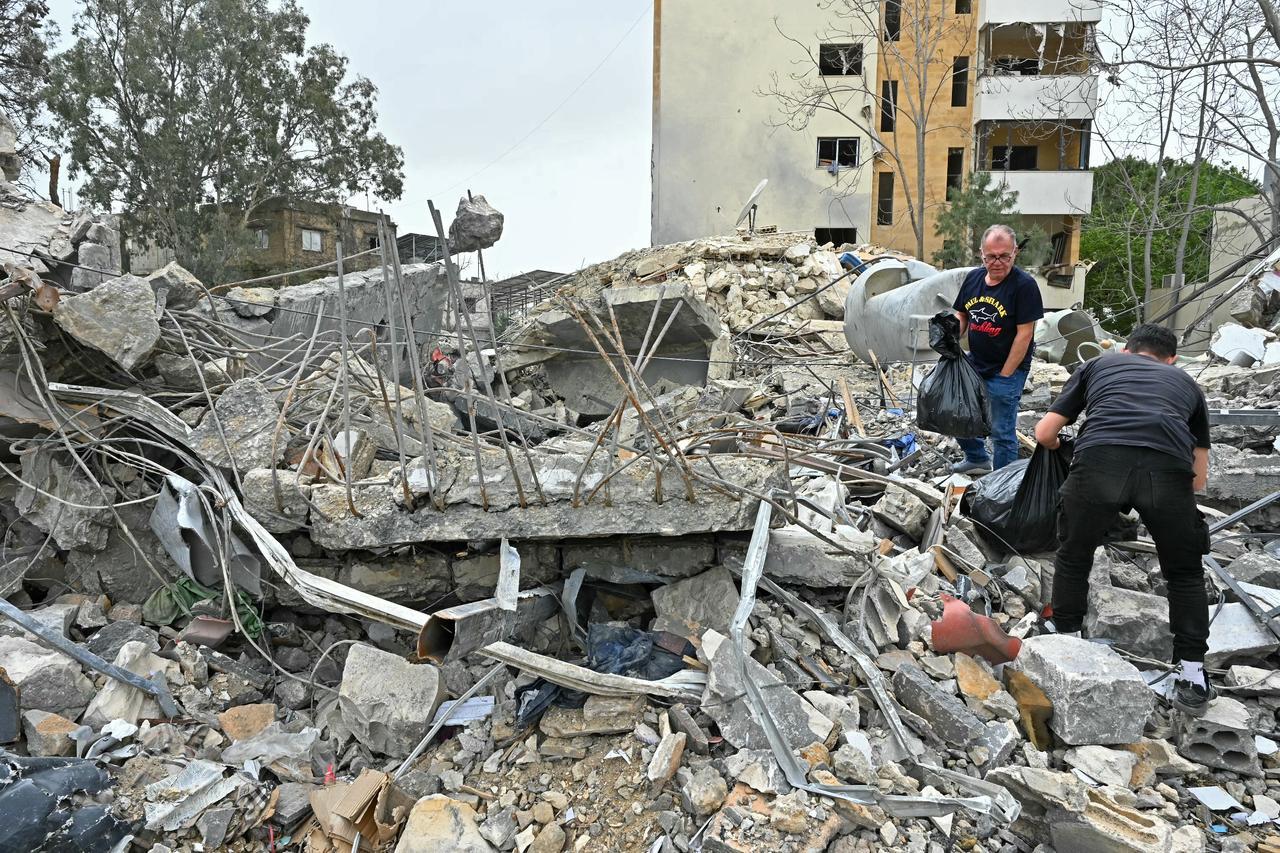
Israel Establishes Gaza-Style Yellow Line in Southern Lebanon After Ceasefire Violations
13 sources compared
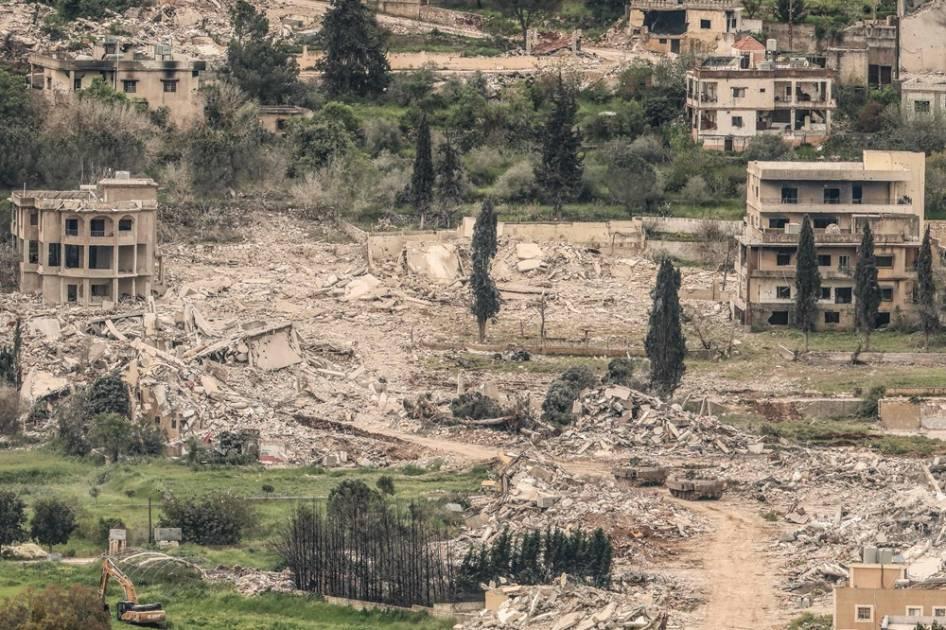
Israel Shells Kawnin and Beit Yahoun After 10-Day Ceasefire With Lebanon Takes Effect
12 sources compared
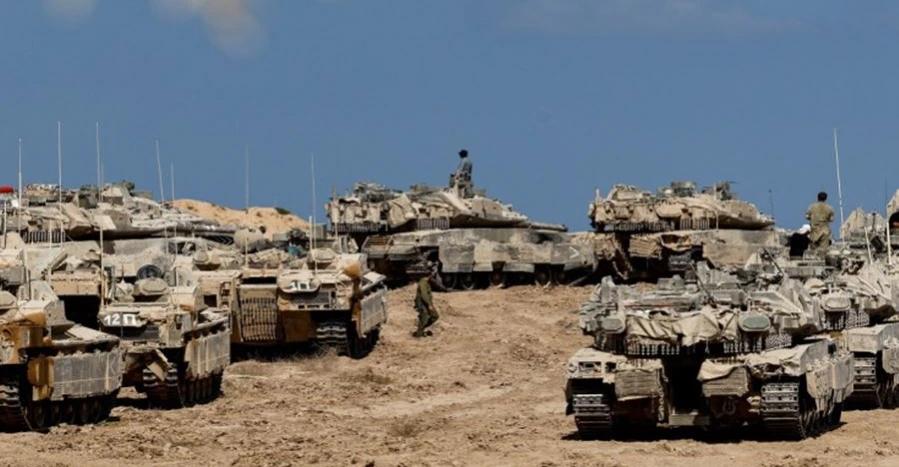
IDF Strikes Hezbollah Terrorists After Establishing Yellow Line in Southern Lebanon During Ceasefire
17 sources compared
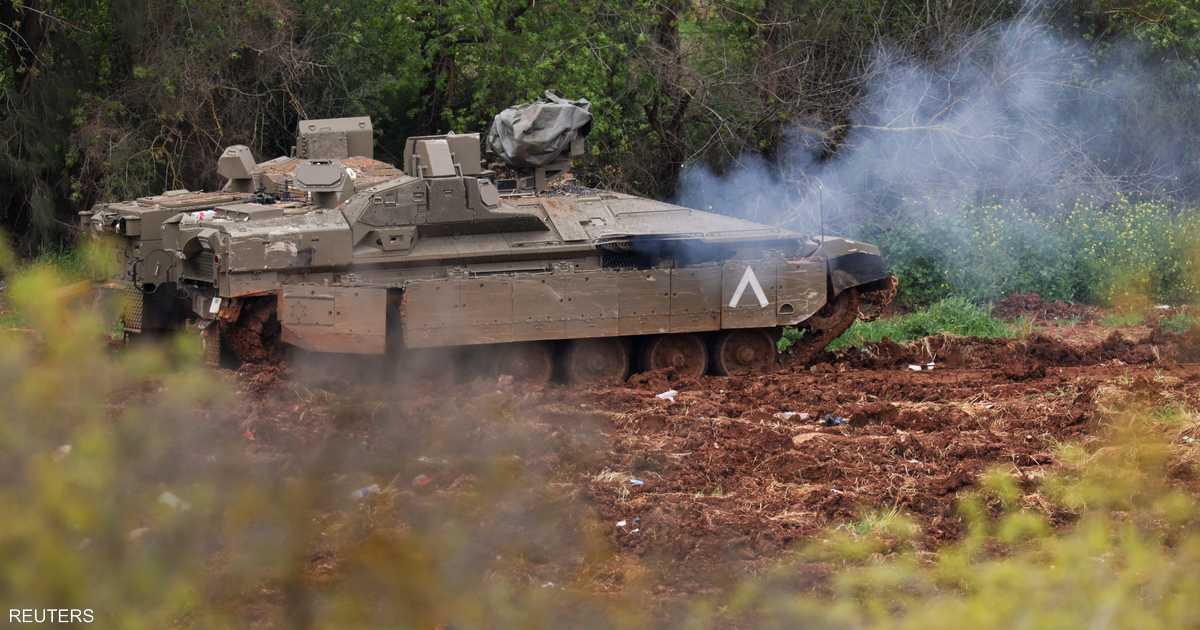
Lebanese Return to South Lebanon After Israel-Lebanon 10-Day Ceasefire Takes Hold
27 sources compared