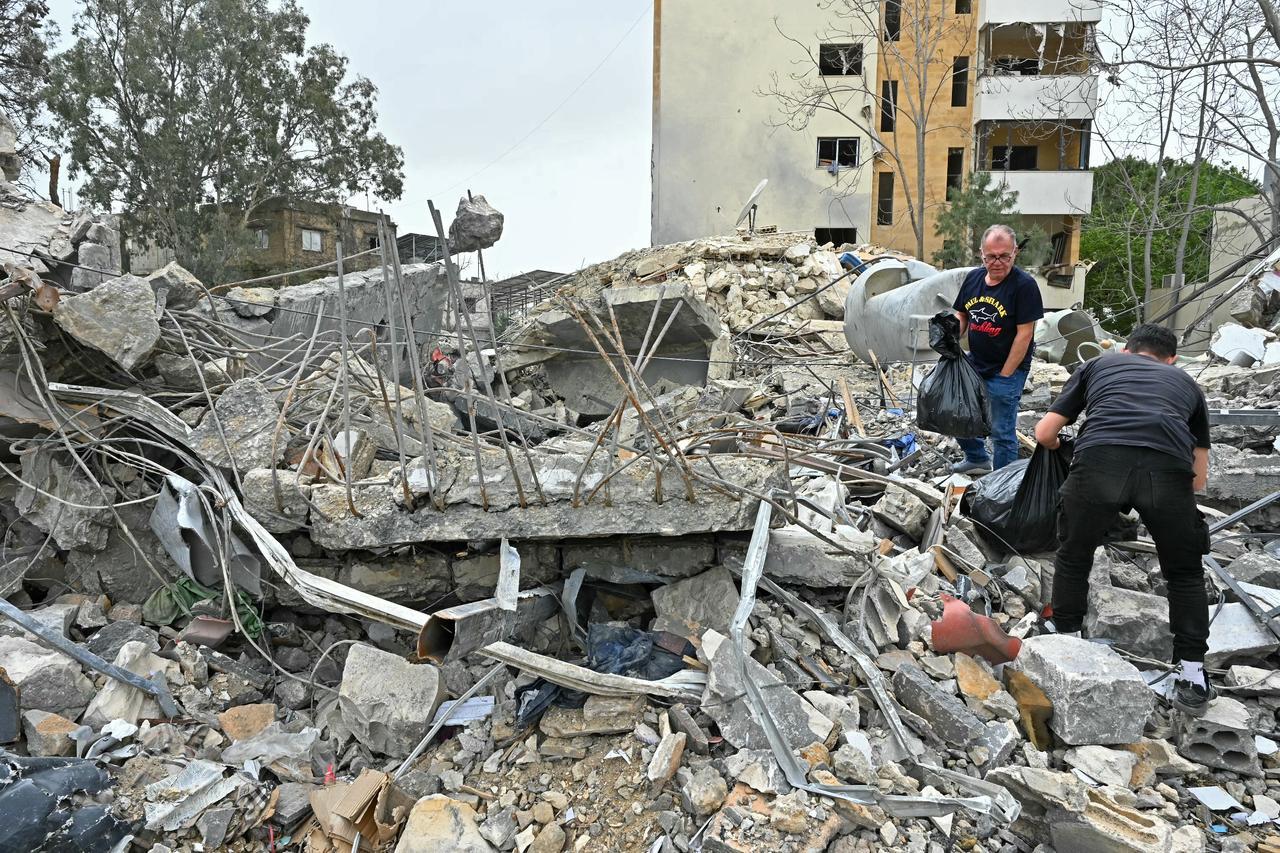
Israel Establishes Gaza-Style Yellow Line in Southern Lebanon After Ceasefire Violations
Key Takeaways
- Israel established a Gaza-style 'Yellow Line' in southern Lebanon.
- IDF said suspects approaching troops south of the line were targeted.
- The move followed ceasefire violations with strikes on Hezbollah near the line.
A Gaza-style buffer in Lebanon
Israel’s military announced it has established a “Yellow Line” in southern Lebanon, describing it as similar to an Israeli military measure used in the besieged Gaza Strip.
“Israeli forces say they have established a so-called “yellow line” in southern Lebanon, similar to an Israeli military measure in the besieged Gaza Strip”
In a statement, Israeli forces said that over the previous 24 hours, “operating south of the Yellow Line in southern Lebanon identified terrorists who violated the ceasefire understandings and approached the forces from north of the Yellow Line in a manner that posed an immediate threat”.

The Israeli military said it was the first time it had referred to such a “yellow line” in Lebanon, and the move came after a 10-day ceasefire between Israel and Lebanon came into effect on Thursday.
Al Jazeera’s Nour Odeh, reporting from Ramallah in the occupied West Bank, said the announcement appeared to represent the “continuation of the ‘Gazafication’ of southern Lebanon”.
The same Al Jazeera report described how, since a “ceasefire” in Gaza took effect in October, Israel’s so-called “yellow line” has divided the Palestinian territory into separate zones, with an eastern area controlled by the Israeli military and a western area where Palestinians face fewer restrictions on their movement.
The Israeli military also said its actions were tied to threats near its troops, adding that “Actions taken in self-defence and to remove immediate threats are not restricted by the ceasefire,” according to the statement cited by multiple outlets.
TRT World and Anadolu Ajansı both described the “Yellow Line” as a self-declared buffer zone south of the Litani River, with Anadolu adding that “As of 1650GMT, there was no immediate official response from Lebanese authorities or Hezbollah regarding the Israeli statements”.
Ceasefire, then strikes
The “Yellow Line” announcement was paired with claims that Israeli forces struck targets despite the ceasefire.
The Israeli military said its troops “identified terrorists who violated the ceasefire understandings and approached the forces from north of the Yellow Line in a manner that posed an immediate threat,” and it added that “In order to eliminate the threat... forces attacked the terrorists in several areas,” according to CNA’s account of the statement.

Anadolu Ajansı reported that the army said armed individuals were identified approaching Israeli forces south of the “Yellow Line” on Friday, and that troops opened fire “to eliminate the threat.”
TRT World similarly said the military described the “Yellow Line” zone south of the Litani River and claimed it had identified “a terrorist cell who violated the ceasefire understandings and approached the forces from north of the Yellow Line in a manner that posed an immediate threat,” while adding that troops opened fire to eliminate the threat.
Al Jazeera reported that despite the ceasefire, Israel continued attacks in southern Lebanon, citing Israeli artillery attacks on Saturday that hit the southern Lebanese towns of Beit Leif, Qantara and Touline.
The Al Jazeera report also said the military claimed it waged the attacks in response to fighters approaching areas where Israeli soldiers were still stationed, describing the threat as “an imminent threat”.
The Times of Israel described the “Yellow Line” as the military’s line of deployment as the truce took effect at midnight between Thursday and Friday, and it said the IDF carried out “several strikes in southern Lebanon in the past day” against Hezbollah operatives who “violated the ceasefire understandings”.
Lebanon’s leaders and Hezbollah respond
Hezbollah and Lebanese officials framed the ceasefire and the “Yellow Line” differently, emphasizing conditions for any truce to hold.
“Israel army says it has established Gaza-style 'Yellow Line' in Lebanon The Israeli army said Saturday that its troops in the south "identified terrorists who violated the ceasefire understandings and approached the forces from north of the Yellow Line"”
Al Jazeera quoted Hezbollah Secretary-General Naim Qassem saying the ongoing 10-day truce cannot continue unless both sides uphold it, with Qassem stating, “A ceasefire means a complete cessation of all hostilities. Because we do not trust this enemy, the resistance fighters will remain in the field with their hands on the trigger, and they will respond to violations accordingly,” and adding, “There is no ceasefire from the side of the resistance only; it must be from both sides.”
Qassem also demanded that Israel completely withdraw from Lebanon, and he said the next steps would focus on “the release of prisoners and the return of residents to their homes in the border areas,” followed by “a significant reconstruction campaign, coupled with international Arab support.”
TRT World reported that Lebanese President Joseph Aoun said he was ready to take all necessary steps to secure Israel’s withdrawal and “save the country,” while CNA said Aoun told Friday that direct negotiations with Israel “are crucial” and that the government aims to “consolidate a ceasefire (and) secure the withdrawal of Israeli forces from the occupied southern territories”.
The Straits Times and Daily Sabah both quoted Aoun’s stated aims, including securing the withdrawal of Israeli forces from the occupied southern territories and recovering prisoners, while The Straits Times also quoted Hezbollah’s warning that it was keeping its “finger on the trigger” in case Israel violated the truce.
On the Israeli side, Prime Minister Benjamin Netanyahu said Israel had not “yet finished the job” on Hezbollah and vowed to press on with the group’s “dismantling” just hours after the truce came into effect, as described by multiple outlets including TRT World and Türkiye Today.
The Jerusalem Post added that Hezbollah member of parliament Hassan Fadlallah said, “We contacted the leadership in Iran and informed them of Israeli violations of the ceasefire.”
How outlets frame the same line
Across the reporting, outlets differed in emphasis while describing the same Israeli “Yellow Line” claim and the same ceasefire context.
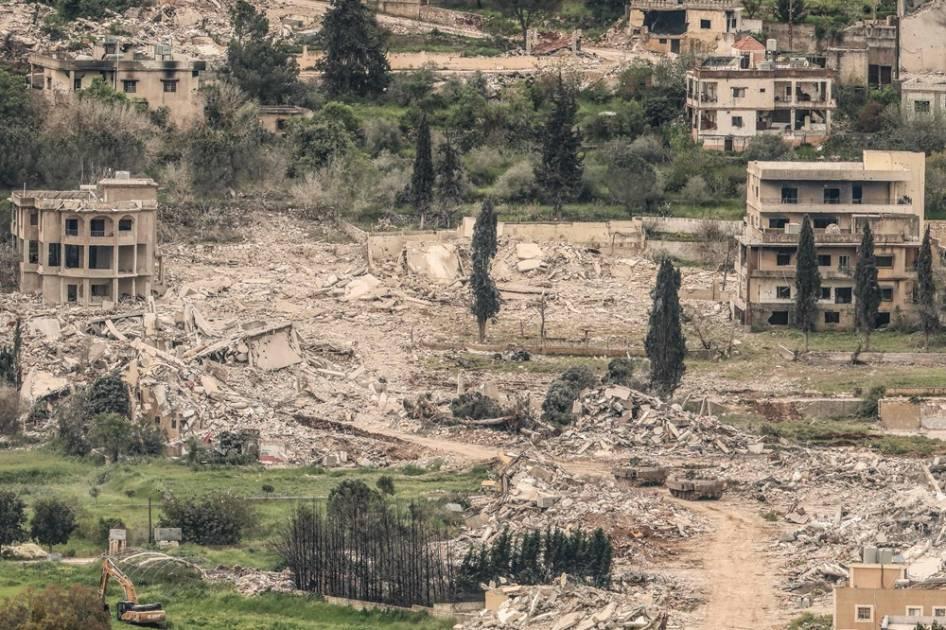
Al Jazeera framed the “Yellow Line” as a continuation of “Gazafication” and said Nour Odeh described it as the “continuation of the ‘Gazafication’ of southern Lebanon,” while also reporting that Israeli troops “routinely fire on anyone approaching the line” and have “demolished hundreds of homes in the zone under their control.”
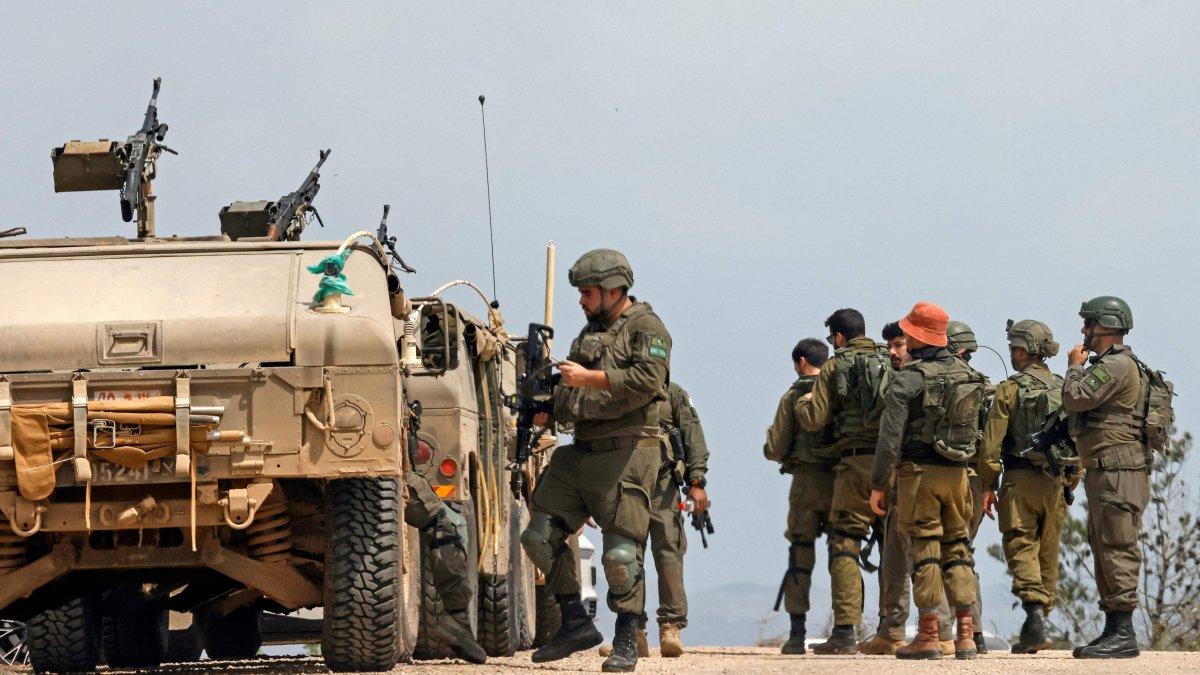
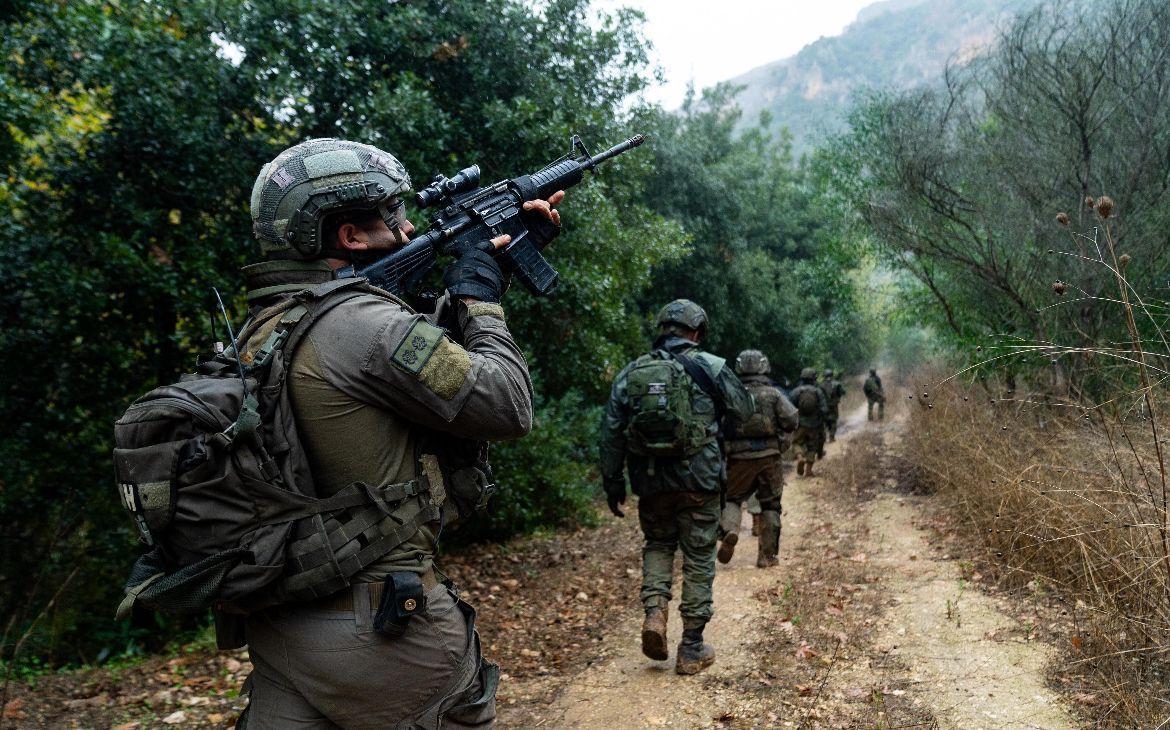
TRT World and Anadolu Ajansı focused more directly on the Israeli military’s operational claims, with TRT World saying the army claimed it targeted individuals approaching the area and Anadolu reporting that “the army said its air force and ground troops struck the suspects” and that artillery shelling was carried out in support.
CNA and Türkiye Today described the “Yellow Line” as similar to the one separating Israeli forces from Hamas-held areas in Gaza and included additional detail that the military said the air force had eliminated a “terrorist cell” and that it “struck an underground shaft” and “Hezbollah terrorists who were identified entering it,” while also noting it did not specify how many suspected militants were killed.
The Times of Israel and The Jerusalem Post presented the Israeli rationale in terms of “violated the ceasefire understandings” and “self-defense,” with The Times of Israel quoting the IDF’s statement that “Actions of self-defense and the removal of threats are not limited by the ceasefire,” and the Jerusalem Post quoting the IDF’s insistence that it would “attack any threat against the soldiers stationed in the region.”
Middle East Eye’s framing highlighted the idea of strikes continuing despite the truce, quoting Israel’s position that “actions taken in self-defense and to remove immediate threats are not restricted by the ceasefire.”
Even in the way the ceasefire’s timing was described, outlets varied: the Times of Israel said the truce took effect at midnight between Thursday and Friday, while Al Jazeera said the 10-day ceasefire came into effect on Thursday and described the “yellow line” announcement as coming after that.
Casualties, negotiations, and next steps
The “Yellow Line” dispute unfolded against a backdrop of heavy casualties and an active negotiation track aimed at ending the war between Israel and Hezbollah.
“- i24NEWS - Israel - Defense News - IDF implements Gaza-style 'yellow line' in south Lebanon IDF implements Gaza-style 'yellow line' in south Lebanon The Israeli military warned that 'self-defense operations are not restricted by the ceasefire' as troops targeted Hezbollah operatives within the newly established 'Yellow Line' The Israel Defense Forces (IDF) confirmed Saturday that they have established a "Yellow Line" security perimeter across southern Lebanon to maintain operational control during the current 10-day ceasefire”
TRT World reported that the death toll from Israeli attacks on Lebanon since March 2 had reached 2,294, with 7,544 people wounded, citing Lebanon’s Ministry of Public Health on Friday.
CNA described the war as lasting six weeks between Israel and the Iran-backed group Hezbollah and said Lebanese authorities say it has killed nearly 2,300 people since it began on March 2, with widespread devastation in southern towns and cities such as Nabatiyeh.
CNA also said Hezbollah halted military operations after the ceasefire came into effect, but warned that it was keeping its “finger on the trigger” in case Israel violated it.
In the immediate period after the ceasefire, Lebanese army chief Rodolphe Haykal visited the south on Saturday to review his troops’ “operational situation” in Kfar Dunin after the implementation of the ceasefire, and he told soldiers there that “the Lebanese people look to (the army) during this difficult period,” while acknowledging its “limited resources”.
CNA added that Kfar Dunin is located around four kilometres away from where a French United Nations peacekeeper was killed earlier on Saturday, with Paris accusing Hezbollah of carrying out the attack, which it denied.
On the political track, CNA said Israel and Lebanon agreed to a 10-day ceasefire on Thursday to allow for negotiations to end the war, and it quoted Aoun saying direct negotiations with Israel “are crucial” and that the government aims to “consolidate a ceasefire (and) secure the withdrawal of Israeli forces from the occupied southern territories”.
More on Lebanon
Israel Shells Kawnin and Beit Yahoun After 10-Day Ceasefire With Lebanon Takes Effect
12 sources compared
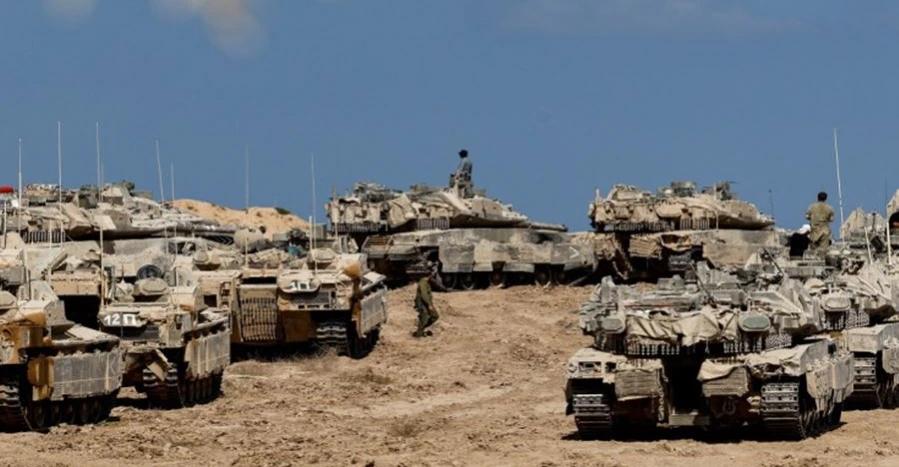
IDF Strikes Hezbollah Terrorists After Establishing Yellow Line in Southern Lebanon During Ceasefire
17 sources compared
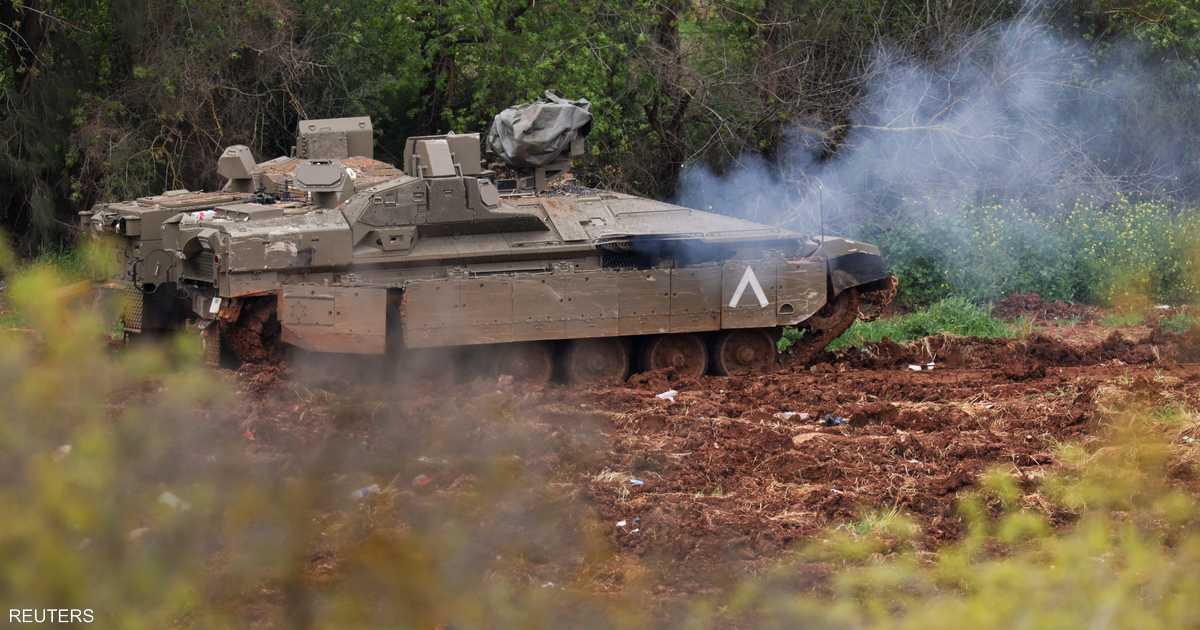
Lebanese Return to South Lebanon After Israel-Lebanon 10-Day Ceasefire Takes Hold
27 sources compared
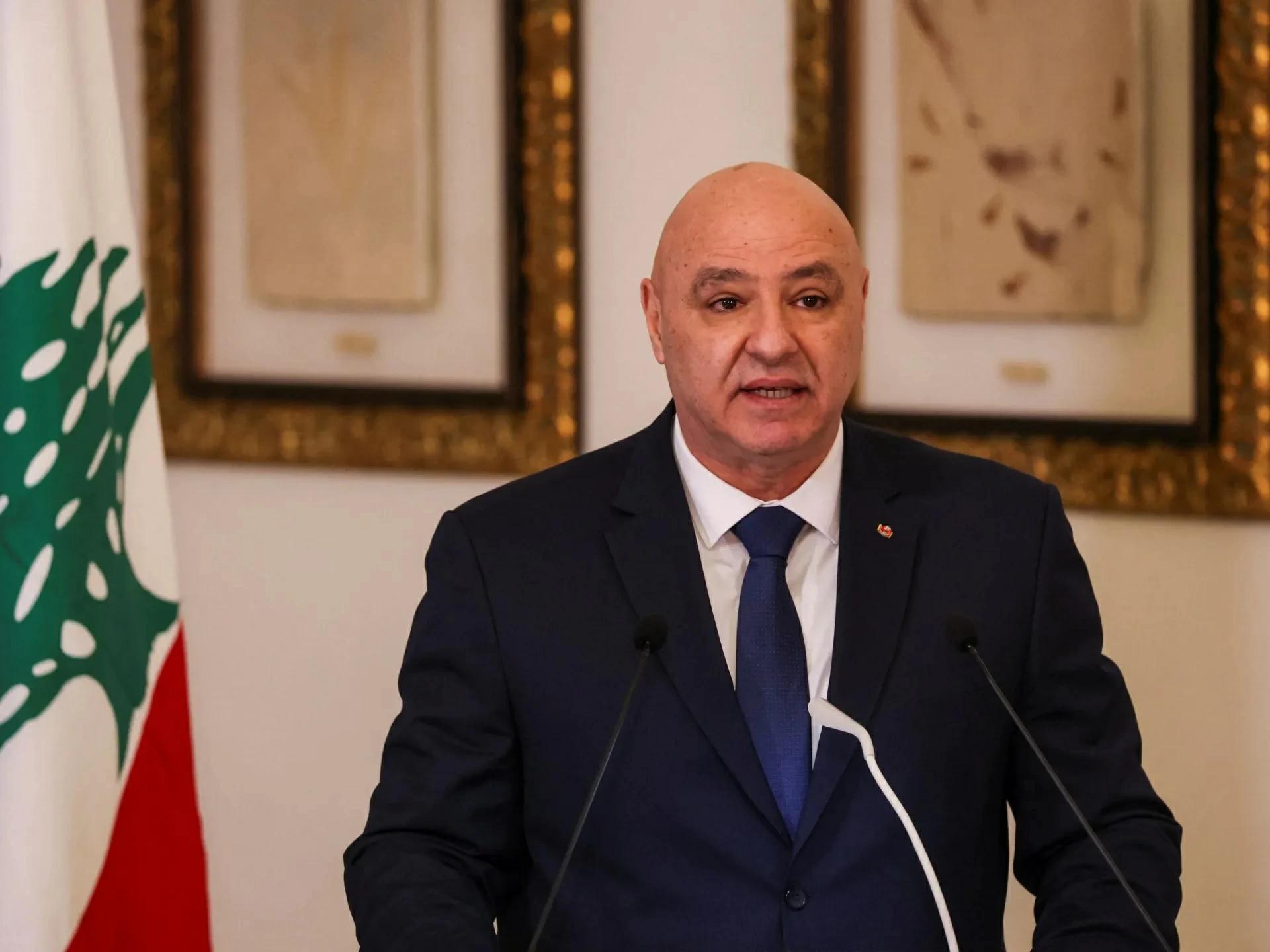
IDF Continues Attacks on Hezbollah in Southern Lebanon Despite 10-Day Ceasefire
10 sources compared