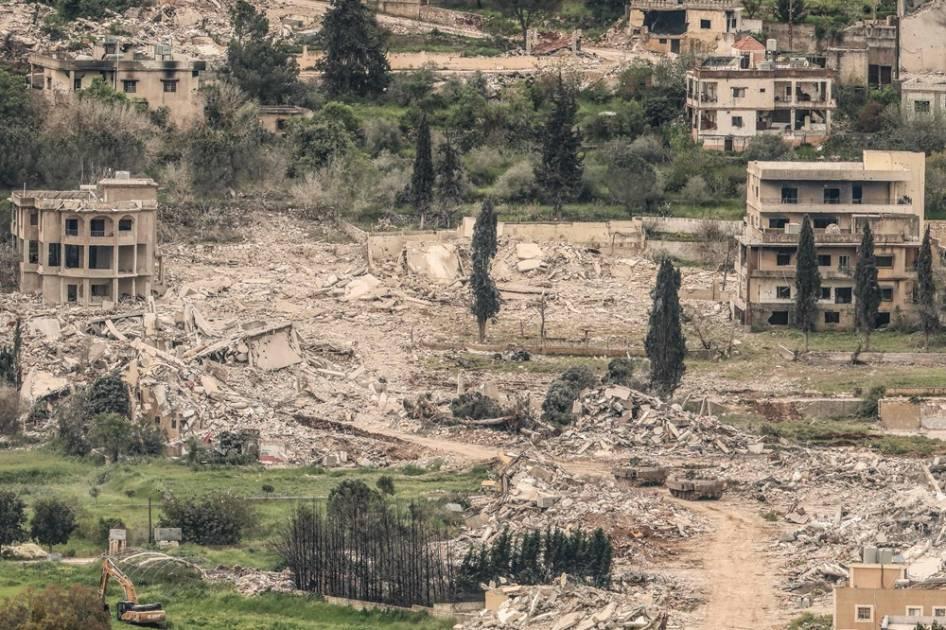
Israel Shells Kawnin and Beit Yahoun After 10-Day Ceasefire With Lebanon Takes Effect
Key Takeaways
- A 10-day Israel-Lebanon ceasefire took effect on April 16.
- Reports of ceasefire violations include Israeli shelling in southern Lebanon.
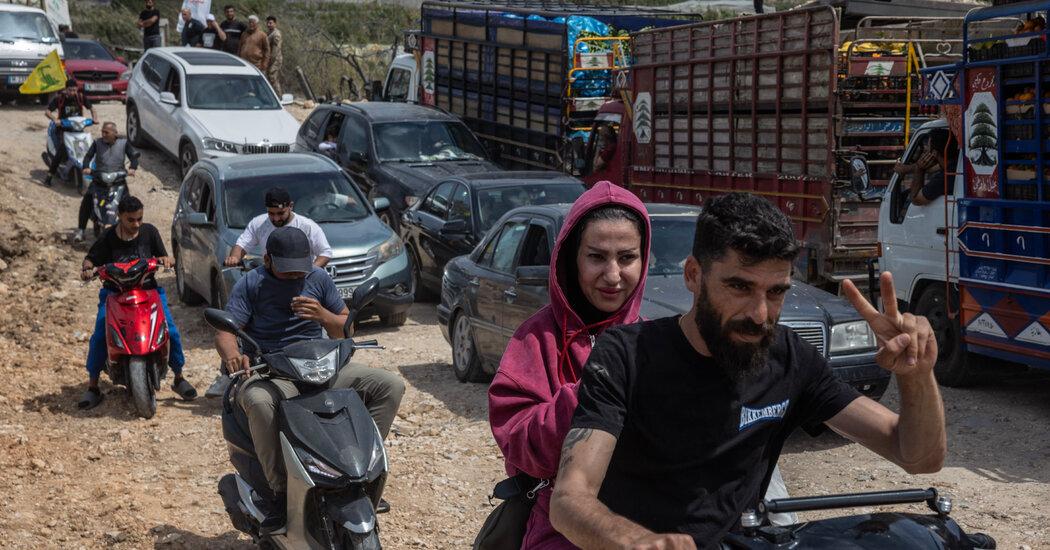
- Thousands of displaced Lebanese begin returning home as the truce takes effect.
Ceasefire, then shelling
A fragile 10-day ceasefire between Israel and Lebanon took effect as displaced Lebanese families began returning south, but the truce was immediately followed by continued Israeli shelling and demolitions near the southern border, according to reporting from Beirut and the ground.
“Beirut, Lebanon – Tens of thousands of displaced Lebanese families are returning home despite ongoing reports of Israeli shelling and demolitions of homes near the country’s southern border”
Al Jazeera described tens of thousands of displaced Lebanese families streaming south on Saturday as they “continued streaming south on Saturday” to check whether their homes remained, even as “ongoing reports of Israeli shelling and demolitions of homes near the country’s southern border” persisted.

In the same period, Al-Manar TV Lebanon said the “Zionist enemy continues violating ceasefire in South Lebanon, bombarding the two towns of Kawnin and Beit Yahoun with artillery shells,” quoting an Al-Manar reporter.
Al Jazeera also reported that Israeli bulldozers were continuing demolition and land-clearing operations in several areas of southern Lebanon, while Israeli artillery shelled areas around Beit Lif, al-Qantara and Toul.
The BBC similarly framed the ceasefire as a 10-day arrangement that took effect from 17:00 EST (21:00 GMT; midnight local time) on 16 April, while noting that the truce’s terms included Israel retaining “right to take all necessary measures in self-defence.”
The Washington Post described the first hours of the tentative ceasefire early Friday as families “streamed into southern Lebanon,” but also said the “exact parameters of the deal remain unclear” and that Israel said its ground forces would not withdraw from Lebanese territory.
Across the reporting, the ceasefire’s implementation was therefore contested in practice, with shelling and demolition continuing alongside the return of civilians.
Numbers of destruction
The reports tied the ceasefire’s fragile start to the scale of destruction and displacement from the weeks of fighting that preceded it.
Al Jazeera said a preliminary assessment by Lebanese authorities conducted before the truce found that “nearly 40,000 homes had been destroyed or damaged,” and it described Beirut’s southern suburbs as among the worst-hit areas, followed by districts across southern Lebanon.
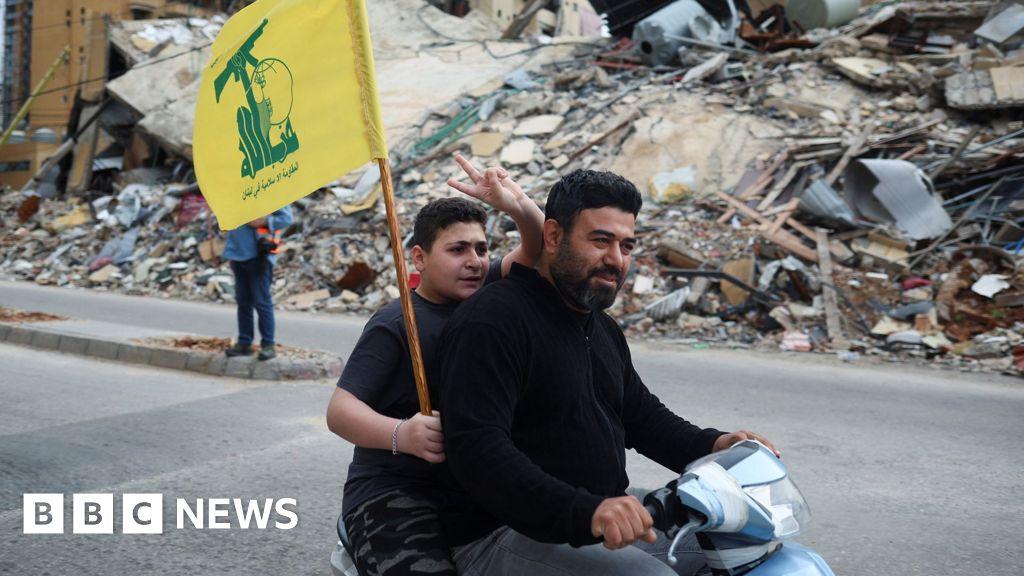
The Washington Post put the broader toll at “more than 2,100 people” killed across the country during “six weeks of Israeli bombardment,” and it said that “nearly 37,000 homes” were destroyed and “more than a million people were forced to flee,” citing Lebanon’s government figures.
The New York Times reported that “nearly 2,300 people” had been killed in Lebanon and “displaced over one million residents, according to the Lebanese authorities,” while also adding that “At least 13 Israeli soldiers have been killed, along with two civilians, according to the Israeli authorities.”
NBC News similarly stated that “More than 2,100 people have been killed in Lebanon since the war started, according to Lebanese authorities, and more than 1 million have been displaced from their homes,” and it reported that “In Israel, 21 people have been killed.”
A separate figure appeared in اندبندنت عربية | West Asian, which said the Lebanese Health Ministry announced that “2,294 dead and 7,544 injured,” and it specified that among the dead were “100 rescuers and 177 children,” while also stating the toll was “since March 2 until the midnight of April 16.”
The same Arabic-language report said the ministry would later announce a final tally after “removing rubble and recovering the dead and performing DNA tests to identify the dead,” underscoring that the numbers were still being processed.
Voices: Aoun, Hezbollah, Trump
The ceasefire’s political meaning was contested in the statements and reactions from Lebanon’s leadership, Hezbollah’s representatives, and the U.S. president.
“What we know about the Israel-Lebanon ceasefire US President Donald Trump announced on Thursday that the leaders of Israel and Lebanon have agreed to a 10-day ceasefire, which took effect from 17:00 EST (21:00 GMT; midnight local time) on 16 April”
The New York Times reported that Hezbollah politicians affirmed a “cautious commitment” to the 10-day cease-fire while criticizing the Lebanese government, and it quoted a statement accusing Lebanon’s leadership of pushing the country “into a new and extremely dangerous phase” by submitting to what the bloc called U.S. and Israeli “dictates.”
In the same report, President Joseph Aoun sought to frame the moment as unity, saying, “What has been achieved in halting the gunfire was the culmination of everyone’s efforts,” in a statement posted to social media.
NBC News reported that Lebanese Prime Minister Nawaf Salam welcomed the ceasefire, saying on X that it had been a “key objective for Lebanon in talks this week,” while also quoting the Lebanese army warning people to avoid returning to southern villages and to avoid “approaching areas where Israeli occupation forces have advanced.”
On the U.S. side, Trump urged Hezbollah to abide by the ceasefire, and the BBC quoted Trump hoping it “acts nicely and well during this important period of time,” while the Washington Post quoted Trump’s social media warning: “I hope Hezbollah acts nicely and well during this important period of time,” and added that it was “No more killing. Must finally have PEACE!”
The Washington Post also quoted Trump cautioning Israel against violating the truce: “They are PROHIBITED from doing so by the U.S.A. Enough is enough!!!”
Hezbollah’s position on the conditions for any halt was also explicit in the BBC’s reporting, which quoted senior Hezbollah leader Wafiq Safa saying, “Not until a proper ceasefire, a real one. Not until Israeli withdrawal.”
How the deal is framed
The sources differed in emphasis about what the ceasefire actually meant on the ground, especially regarding Israeli troop presence and the “security zone” concept.
NBC News reported that Netanyahu confirmed in a video statement that Israel had agreed to a temporary ceasefire but said Israel had not agreed to withdraw from southern Lebanon, adding that the group must be dismantled, and it quoted Netanyahu saying, “We are remaining in Lebanon in an expanded security zone.”
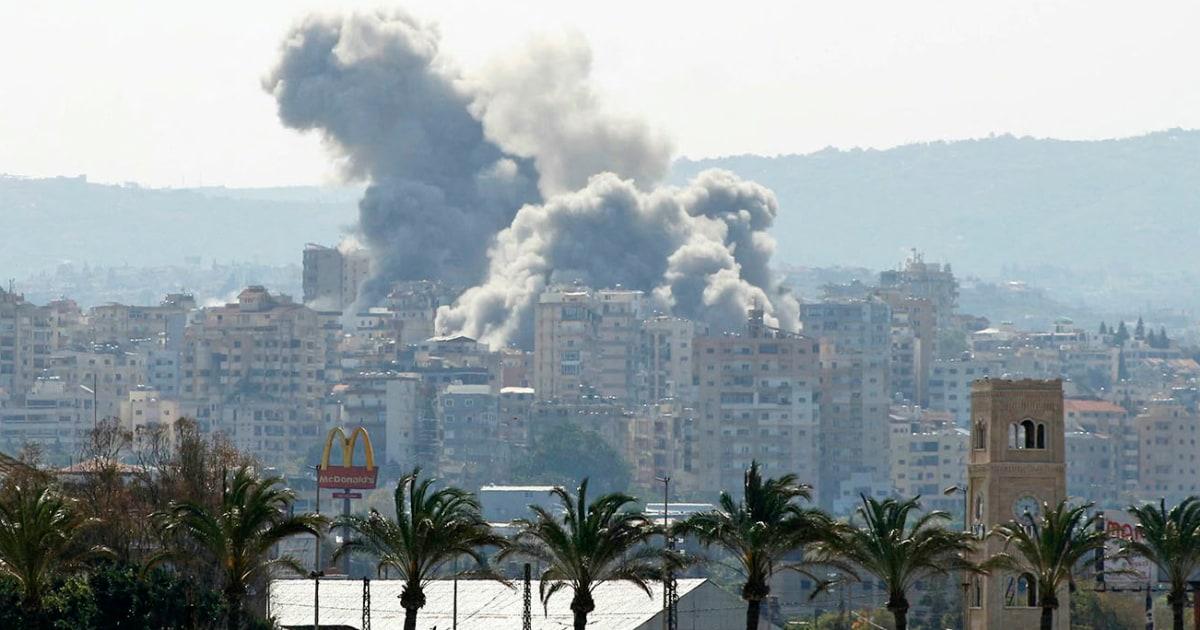
NBC News also said the Lebanese army warned people to avoid returning to southern villages and avoid “approaching areas where Israeli occupation forces have advanced,” while the BBC described the agreement’s structure as a 10-day truce with “extended by mutual agreement” and with Israel retaining “right to take all necessary measures in self-defence.”
The BBC further stated that Hezbollah signaled willingness to participate but said it must include “a comprehensive halt to attacks” across Lebanon and “no freedom of movement for Israeli forces,” and it quoted Wafiq Safa on disarmament: “Not until a proper ceasefire, a real one. Not until Israeli withdrawal.”
The Washington Post described the pause as a diplomatic signal while noting that “Hezbollah, the Iranian-backed militant group that is Israel’s main target in Lebanon, has not confirmed it will honor the ceasefire, and Israel has said its ground forces will not withdraw from Lebanese territory.”
The Times of Israel, meanwhile, focused on the operational posture, saying “Israeli troops will remain deployed to southern Lebanon amid the upcoming 10-day ceasefire with Hezbollah,” and it quoted an Israeli official telling Ynet that “our forces will remain deep inside Lebanese territory.”
Al Jazeera added a geographic framing, reporting that Israeli officials now say Israel will remain in control of 55 towns and villages and that Israel established what it describes as a “yellow line” security zone, “in some places extending up to 10km (6.2 miles) from the border.”
What comes next
The sources also laid out what each side expected to happen after the ceasefire’s initial period, linking the Lebanon truce to broader negotiations and to enforcement threats.
“President Donald Trump announced Thursday that the leaders of Israel and Lebanon had reached a ceasefire deal, which came as fighting raged between Israel and the Iran-backed militant group Hezbollah”
NBC News said the ceasefire commits Israel and Lebanon to “engaging in good-faith direct negotiations, facilitated by the United States,” with the objective of achieving a comprehensive agreement, and it reported that the State Department said the initial 10-day period “may be extended by mutual agreement” if progress is demonstrated.
NBC News also said Lebanon must “take meaningful steps” to prevent Hezbollah from carrying out attacks on Israel, while Israel “shall preserve its right to take all necessary measures in self-defense, at any time, against planned, imminent, or ongoing attacks.”
The BBC described the agreement as a “gesture of goodwill” intended to enable “good-faith negotiations towards a permanent security and peace agreement,” and it quoted Hezbollah’s condition that it must include “a comprehensive halt to attacks” across Lebanon.
The Washington Post connected the Lebanon pause to U.S.-Iran diplomacy, saying the truce “appeared to signal diplomatic progress to end the war in Iran,” and it reported that Trump said the United States and Iran are “very close” to a peace deal.
DW’s roundup similarly said the 10-day ceasefire between Lebanon and Israel took effect and that Iran said the Strait of Hormuz would reopen amid the truce, while also quoting Iran’s parliament speaker Mohammad Bagher Ghalibaf warning that “With the continuation of the blockade, the Strait of Hormuz will not remain open.”
Al Jazeera said rare face-to-face talks between Lebanon and Israel were expected to resume in the coming days, and it reported that Lebanese President Joseph Aoun met Prime Minister Nawaf Salam at Baabda Palace on Saturday to discuss security and diplomatic developments, including Aoun’s contacts with US President Donald Trump and Secretary of State Marco Rubio.
More on Lebanon
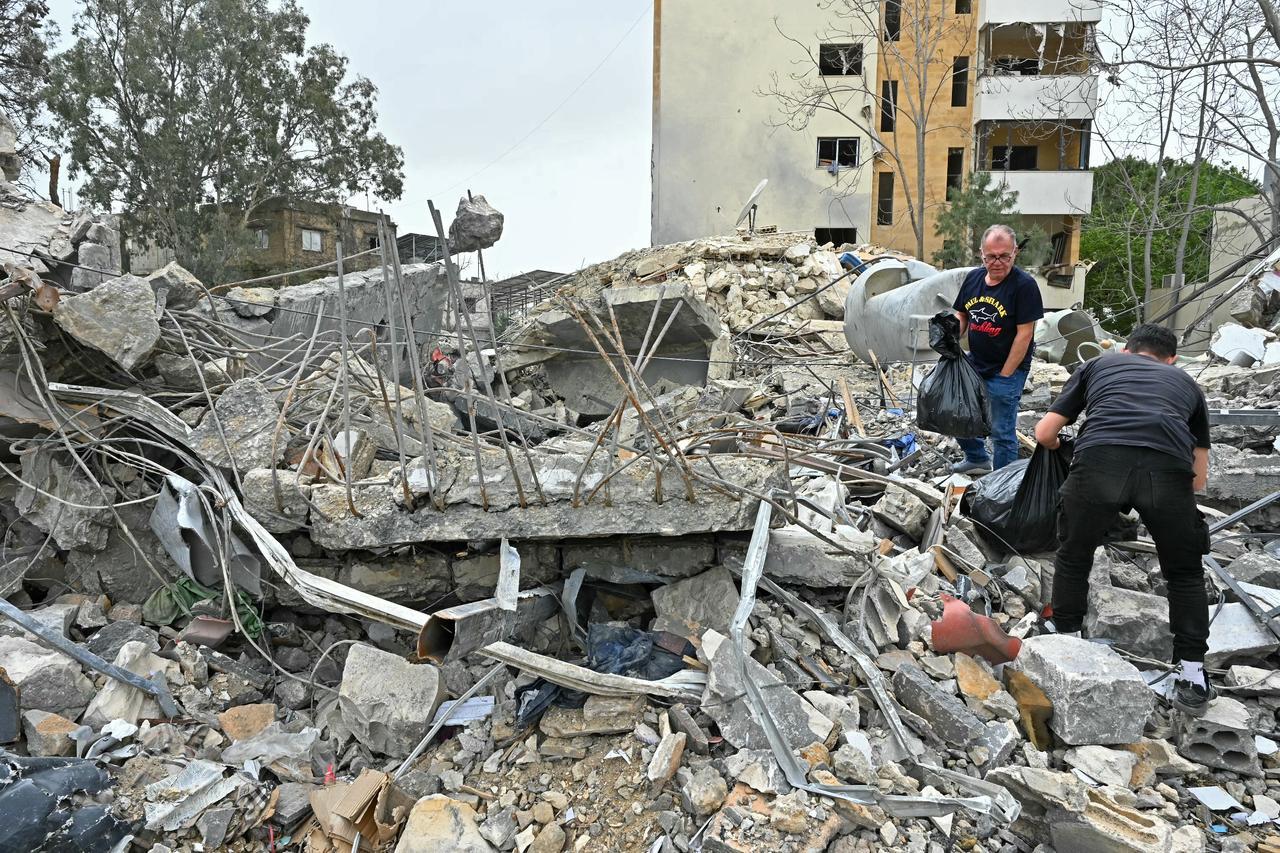
Israel Establishes Gaza-Style Yellow Line in Southern Lebanon After Ceasefire Violations
13 sources compared
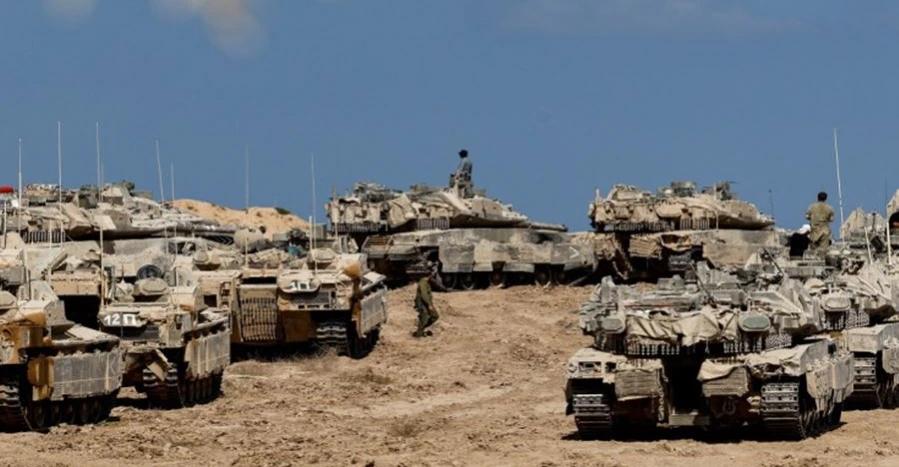
IDF Strikes Hezbollah Terrorists After Establishing Yellow Line in Southern Lebanon During Ceasefire
17 sources compared
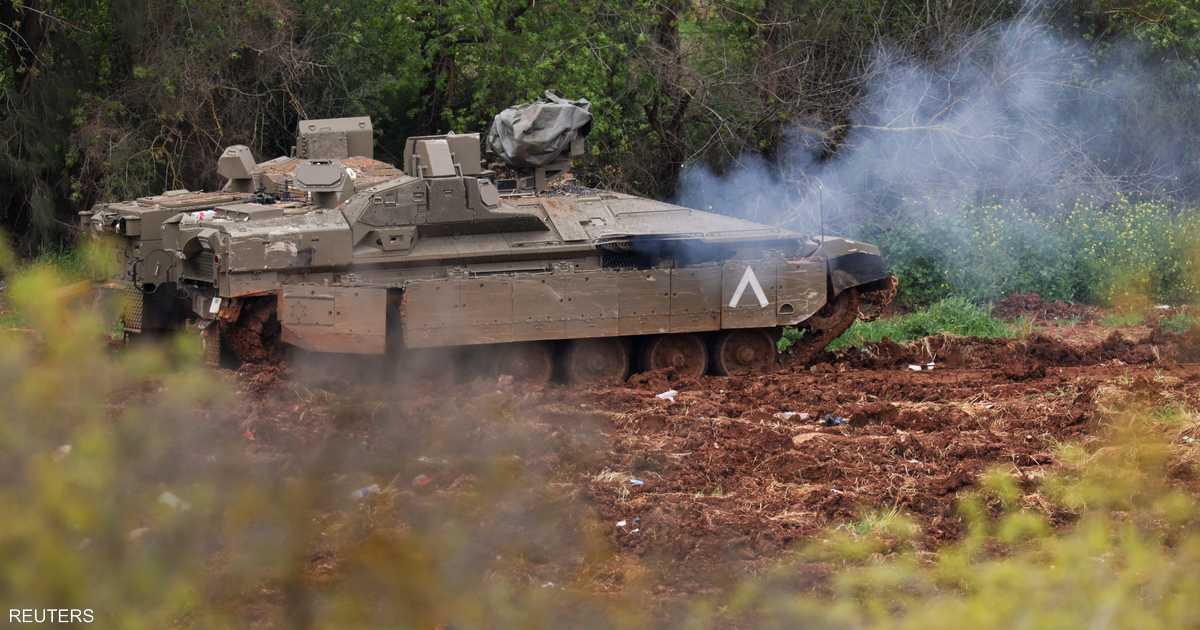
Lebanese Return to South Lebanon After Israel-Lebanon 10-Day Ceasefire Takes Hold
27 sources compared
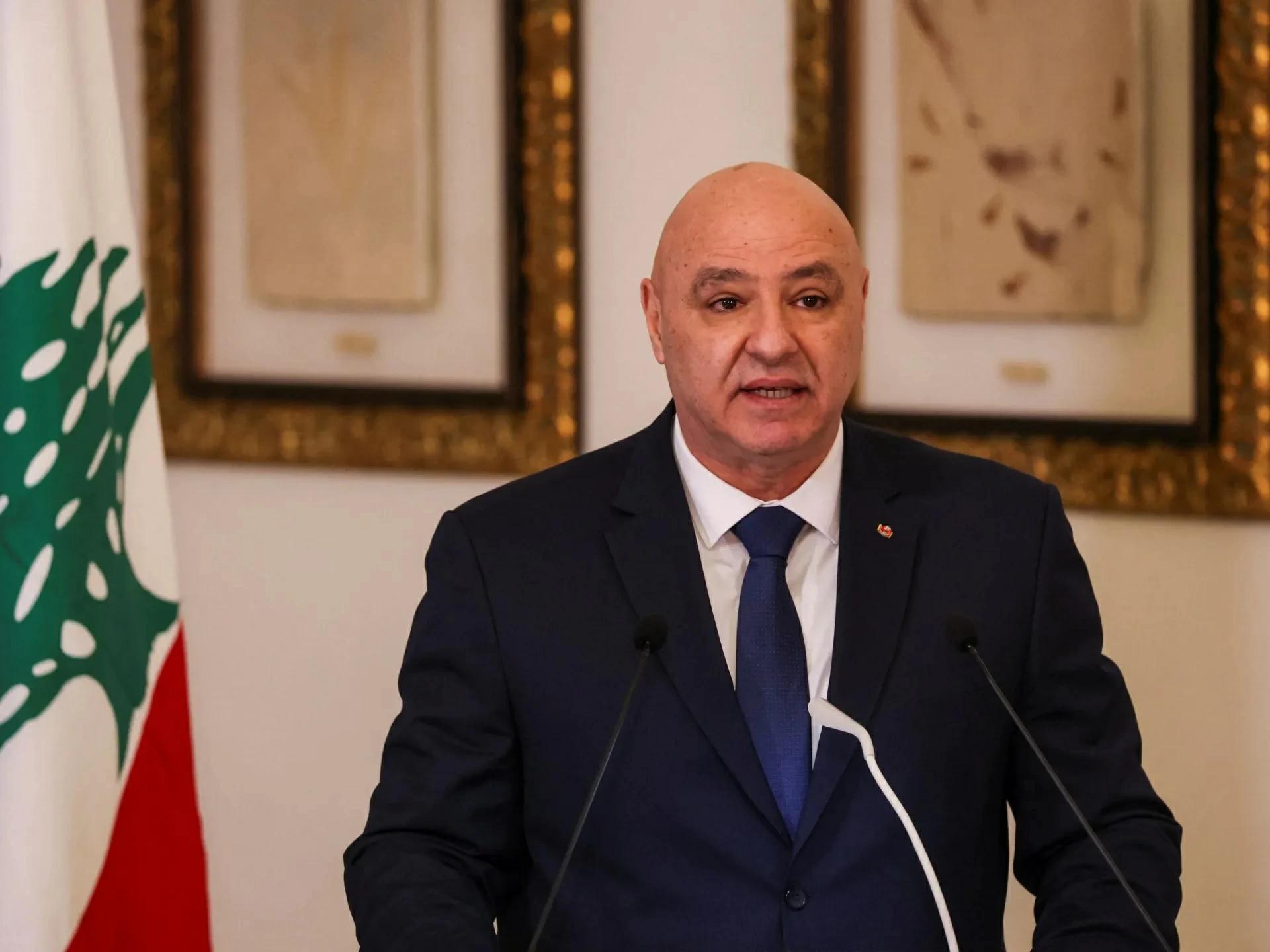
IDF Continues Attacks on Hezbollah in Southern Lebanon Despite 10-Day Ceasefire
10 sources compared