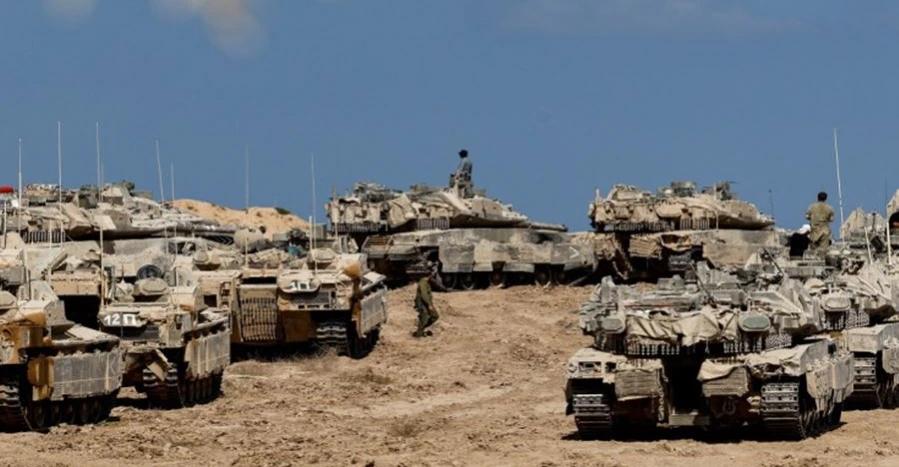
IDF Strikes Hezbollah Terrorists After Establishing Yellow Line in Southern Lebanon During Ceasefire
Key Takeaways
- IDF established a Gaza-style Yellow Line in southern Lebanon.
- IDF said militants approached troops south of the Yellow Line.
- Air and ground strikes targeted militants near the Yellow Line.
Yellow Line and strikes
Israel’s military established a “Yellow Line” security perimeter across southern Lebanon during a current 10-day ceasefire, and it said troops operating south of the line identified “terrorists” who violated ceasefire understandings and approached from the north in a manner that posed an immediate threat.
i24NEWS reported that the IDF confirmed Saturday that they have established a "Yellow Line" security perimeter across southern Lebanon to maintain operational control during the current 10-day ceasefire, and it described the framework as modeled after security zones in Gaza.

The Straits Times said the Israeli military told Reuters that on April 18 it had established a “Yellow Line” demarcation in southern Lebanon, similar to the one separating its forces from territory still held by Hamas in Gaza, and that it had already struck suspected militants approaching its troops along the line.
In its statement, the IDF said, “Over the past 24 hours, IDF forces operating south of the Yellow Line in southern Lebanon identified terrorists who violated the ceasefire understandings and approached the forces from north of the Yellow Line in a manner that posed an immediate threat,” and it added, “Immediately after identification and in order to eliminate the threat... forces attacked the terrorists in several areas in southern Lebanon.”
The Jerusalem Post similarly said the IDF targeted “several sites in southern Lebanon where Hezbollah terrorists were stationed,” arguing their presence violated the ceasefire agreement, and it said the military conducted “air and ground attacks” and fired “support artillery fire.”
Multiple outlets also described the IDF’s position that these actions were permitted during the ceasefire, with the Straits Times quoting the military: “Actions taken in self-defence and to remove immediate threats are not restricted by the ceasefire.”
55 villages barred
A central feature of Israel’s “Yellow Line” policy, as described by multiple outlets, was a prohibition on residents returning to areas inside the designated security perimeter.
i24NEWS said the “Yellow Line” designates specific captured territories as closed military zones, rendering “55 Lebanese villages strictly off-limits to returning residents” to ensure the safety of Israeli forces.

Shafaq News likewise said the operational zone “barred residents of 55 southern villages from returning to their homes,” and it described the “Yellow Line” as a designated operational zone inside Lebanon modeled on tactics used in Gaza.
The Jordannews.jo report, citing CNN, said Israeli military officials confirmed that “Lebanese citizens will not be allowed to return to 55 villages located within the territory currently controlled by Israel in southern Lebanon.”
Al-Jazeera Net also said CNN reported that Tel Aviv would prevent the return of residents to “55 towns and villages within this area,” and it described the “yellow line” as a separating line in southern Lebanon similar to Gaza.
The Straits Times connected the Lebanon “Yellow Line” to the Gaza precedent, saying that since a ceasefire came into effect in Gaza on Oct 10, the Palestinian territory has been split by a “Yellow Line,” a de facto boundary dividing Gaza into two zones.
Ceasefire, negotiations, and escalation
The “Yellow Line” announcement and the strikes described by the IDF were framed against a ceasefire that Israel and Lebanon agreed to for 10 days, and the reporting places the ceasefire in the context of a wider war that began on March 2.
“The Israeli military said on Saturday it has established a “Yellow Line” boundary in Lebanon, similar to the division used in the Gaza Strip, reporting targeting suspected militants approaching its troops along the line, as Israel seeks to expand its invasion of southern Lebanon”
The Straits Times said Israel and Lebanon agreed to a 10-day ceasefire on April 16 in order to negotiate an end to six weeks of war between Israel and the Iran-backed group Hezbollah, and it said the war saw massive Israeli airstrikes across Lebanon and also a ground invasion in the south.
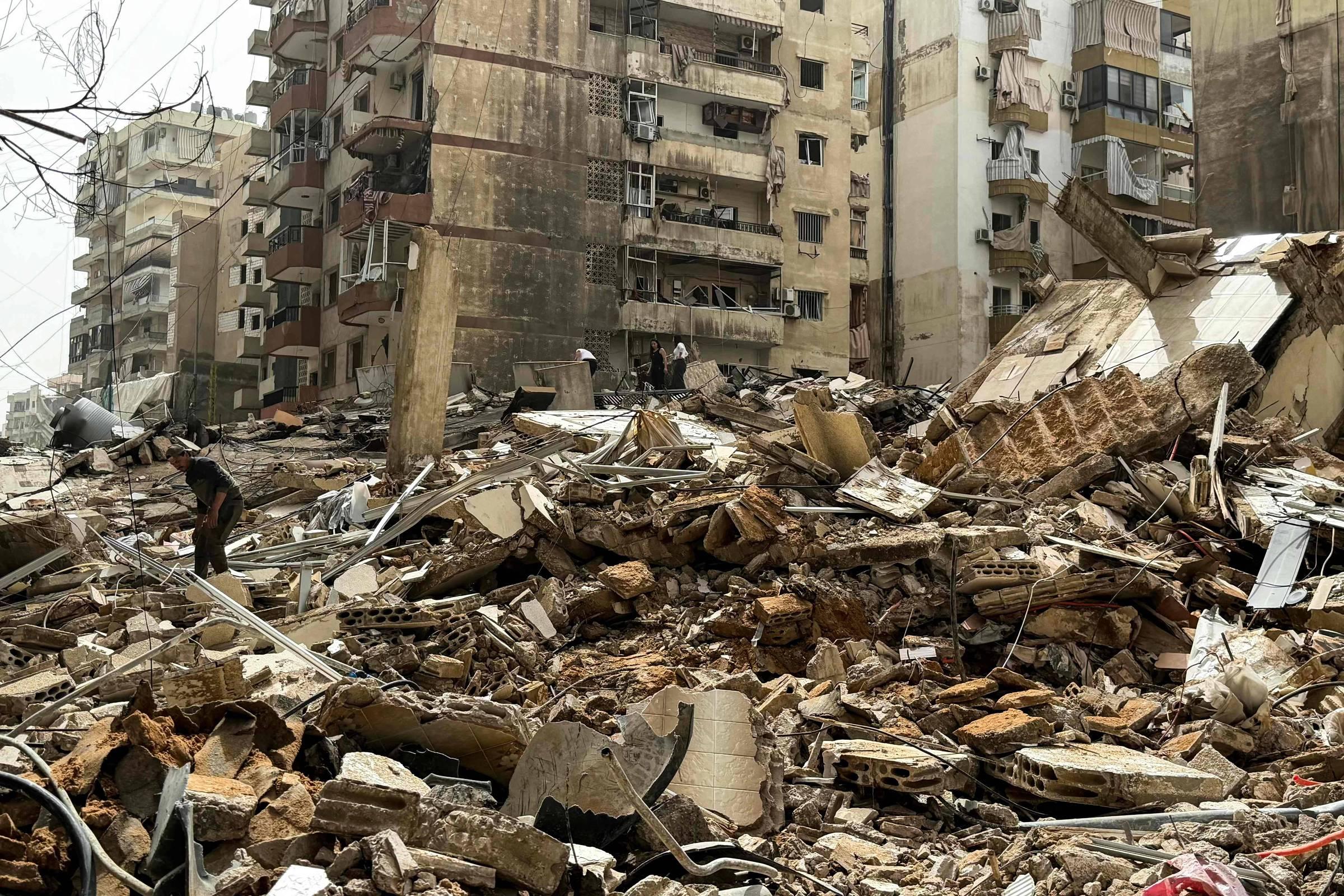
It added that the Lebanese authorities say the war that began on March 2 has killed nearly 2,300 people and caused widespread devastation in southern towns and cities such as Nabatiyeh.
The Straits Times also quoted Hezbollah’s posture after the ceasefire, saying Hezbollah halted military operations after the ceasefire came into effect, but warned that it was keeping its “finger on the trigger” in case Israel violated the truce.
Lebanese President Joseph Aoun was quoted saying on April 17 that “direct negotiations” with Israel “are crucial,” and that the government aims to “consolidate a ceasefire, secure the withdrawal of Israeli forces from the occupied southern territories, recover prisoners, and address outstanding border disputes”.
The Straits Times also described the US role, saying US President Donald Trump said the United States had “prohibited” Israel from bombing Lebanon following the ceasefire deal, and that Washington would work with Lebanon to “deal with” Hezbollah.
Hezbollah, Iran, and Trump
The reporting also includes direct political reactions and statements about who would be notified and what the US had prohibited.
The Jerusalem Post said Hezbollah saw the incidents as a breach of the ceasefire agreement and planned to notify Iran, and it identified Hezbollah member of parliament in Lebanon, Hassan Fadlallah, as saying, “We contacted the leadership in Iran and informed them of Israeli violations of the ceasefire.”
The Jerusalem Post also quoted US President Donald Trump, saying on Friday that he had prohibited any attacks by Israel against Lebanese targets, with Trump writing, “Israel is prohibited from bombing Lebanon any longer,” in a Truth Social post.
It added that Trump confirmed the US would work with Lebanon separately and “deal with the Hezbollah situation in an appropriate manner.”
In parallel, the i24NEWS report said the Israeli military warned that “self-defense operations are not restricted by the ceasefire” as troops targeted Hezbollah operatives within the newly established “Yellow Line,” and it described the IDF’s operational freedom to finalize “the clearing of tunnels and launch sites.”
The Straits Times reported that Netanyahu said Israel has not “yet finished the job” on Hezbollah and vowed to press on with the group’s “dismantling” just hours after the truce came into effect.
Different outlets, same core claim
While the core claim—an IDF “Yellow Line” in southern Lebanon and strikes against people the military described as approaching or threatening troops—appears across outlets, the details and emphasis vary in ways that shape how readers understand the episode.
“- i24NEWS - Israel - Defense News - IDF implements Gaza-style 'yellow line' in south Lebanon IDF implements Gaza-style 'yellow line' in south Lebanon The Israeli military warned that 'self-defense operations are not restricted by the ceasefire' as troops targeted Hezbollah operatives within the newly established 'Yellow Line' The Israel Defense Forces (IDF) confirmed Saturday that they have established a "Yellow Line" security perimeter across southern Lebanon to maintain operational control during the current 10-day ceasefire”
The Straits Times presented the IDF’s statement as a first reference to the line since the ceasefire began, saying, “referring to such a line for the first time since a ceasefire came into effect,” and it quoted the IDF’s rationale that “Actions taken in self-defence and to remove immediate threats are not restricted by the ceasefire.”
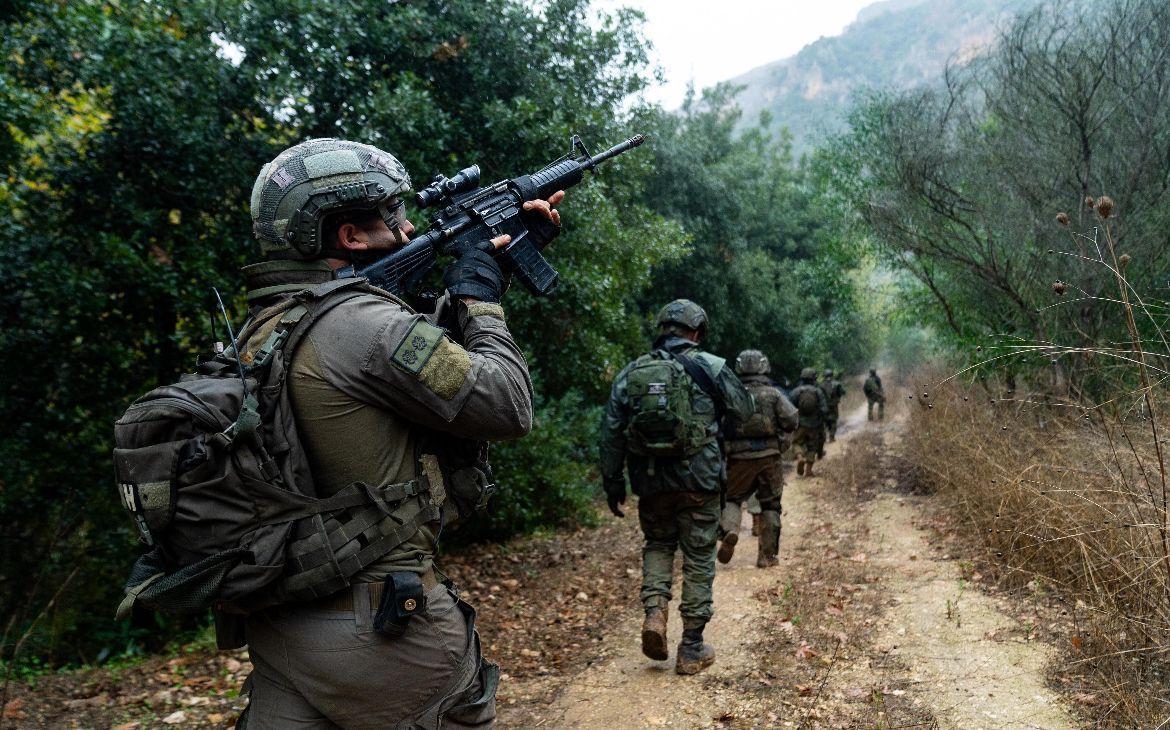
WION’s report similarly quoted the IDF’s language about identifying terrorists and attacking them “in several areas in southern Lebanon,” and it added that the IDF said it was authorized to take action against threats despite the ceasefire.
Shafaq News described the same pattern—air and ground strikes after identifying armed individuals approaching its forces south of the “Yellow Line”—and it quoted the army saying “terrorists approached from north of the Yellow Line,” while also stating that “artillery fire was carried out in support of the ground troops,” and that “terrorist infrastructure sites were struck in response.”
Al-Jazeera Net, while also describing the IDF’s “yellow separating line” and the targeting of “armed militants,” additionally included a separate set of figures and claims about Hezbollah’s operations, stating that Hezbollah had announced carrying out “2,184 military operations against Israeli targets” over “the past 45 days of the war,” and it said the war left “about 2,300 dead, more than 7,500 wounded, and more than one million displaced.”
i24NEWS emphasized the policy’s administrative effect by saying the “Yellow Line” designates captured territories as closed military zones and that it renders “55 Lebanese villages strictly off-limits to returning residents,” and it framed the IDF’s continued presence as enabling “the systematic demolition of Hezbollah infrastructure.”
What comes next
The reporting ties the “Yellow Line” to both immediate operational actions and longer-term political and humanitarian stakes, including negotiations, displacement concerns, and continued military posture.
The Straits Times said Lebanese President Joseph Aoun told reporters that “direct negotiations” with Israel “are crucial,” and it described the government’s aims to “consolidate a ceasefire, secure the withdrawal of Israeli forces from the occupied southern territories, recover prisoners, and address outstanding border disputes.”
It also said Hezbollah halted military operations after the ceasefire came into effect but warned it was keeping its “finger on the trigger,” and it reported that Netanyahu said Israel has not “yet finished the job” on Hezbollah and vowed to press on with the group’s “dismantling.”
In parallel, i24NEWS said under the “Yellow Line” policy the IDF remains active within the buffer zone to carry out “the systematic demolition of Hezbollah infrastructure,” and it said this operational freedom allows the military to finalize “the clearing of tunnels and launch sites.”
The Jordannews.jo report, citing CNN, said Israeli military officials confirmed that Lebanese citizens will not be allowed to return to 55 villages, and it added that “Human rights sources have warned that the implementation of the 'Yellow Line' effectively amounts to the long-term or permanent displacement of tens of thousands of residents” from “approximately 50 to 55 southern villages and towns.”
Al-Jazeera Net also stated that since March 2 Israel has been waging an aggression against Lebanon, leaving “about 2,300 dead, more than 7,500 wounded, and more than one million displaced,” and it said the ceasefire was agreed for 10 days.
More on Lebanon
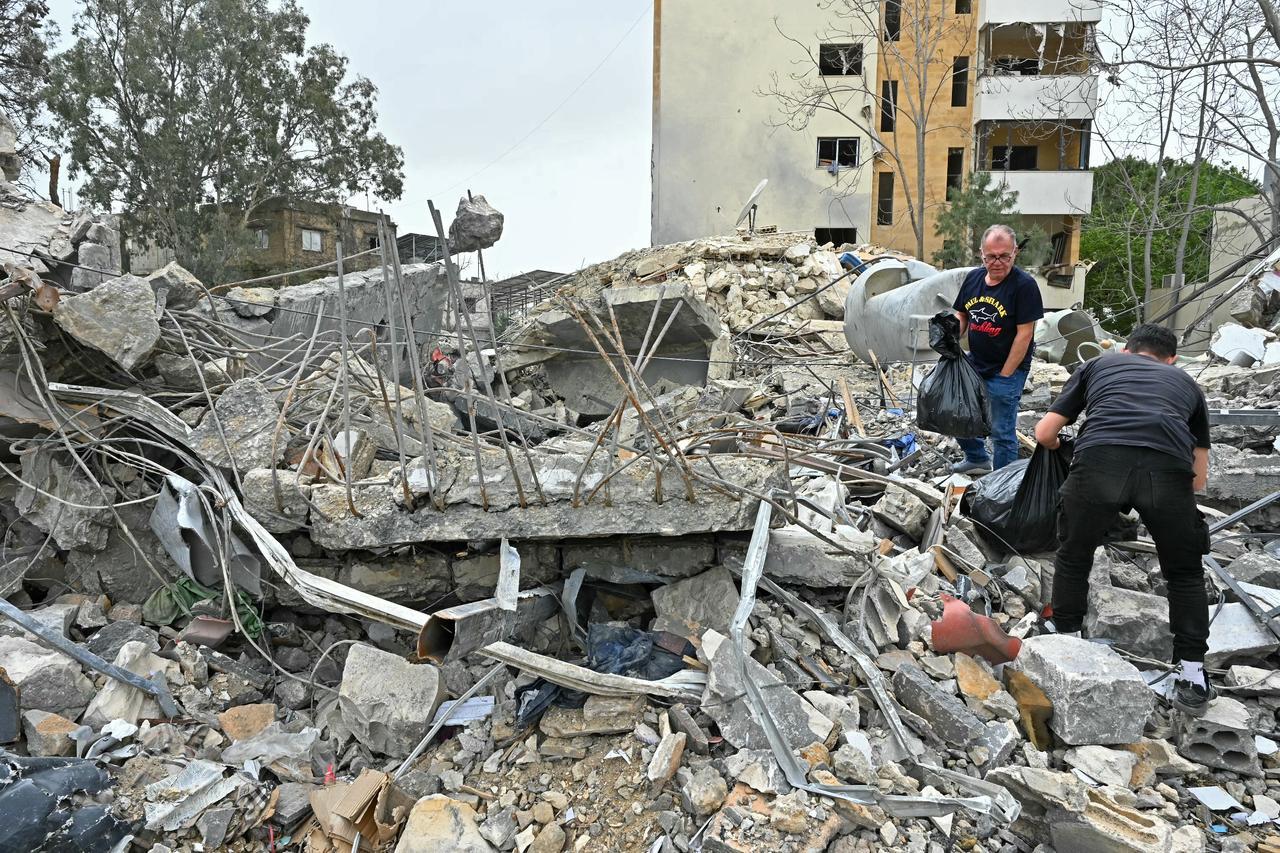
Israel Establishes Gaza-Style Yellow Line in Southern Lebanon After Ceasefire Violations
13 sources compared
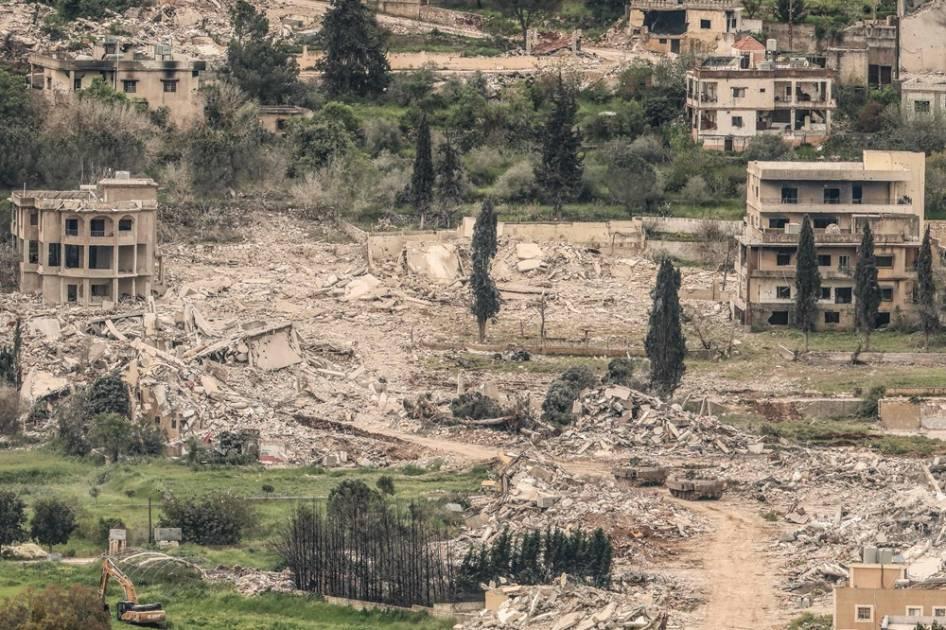
Israel Shells Kawnin and Beit Yahoun After 10-Day Ceasefire With Lebanon Takes Effect
12 sources compared
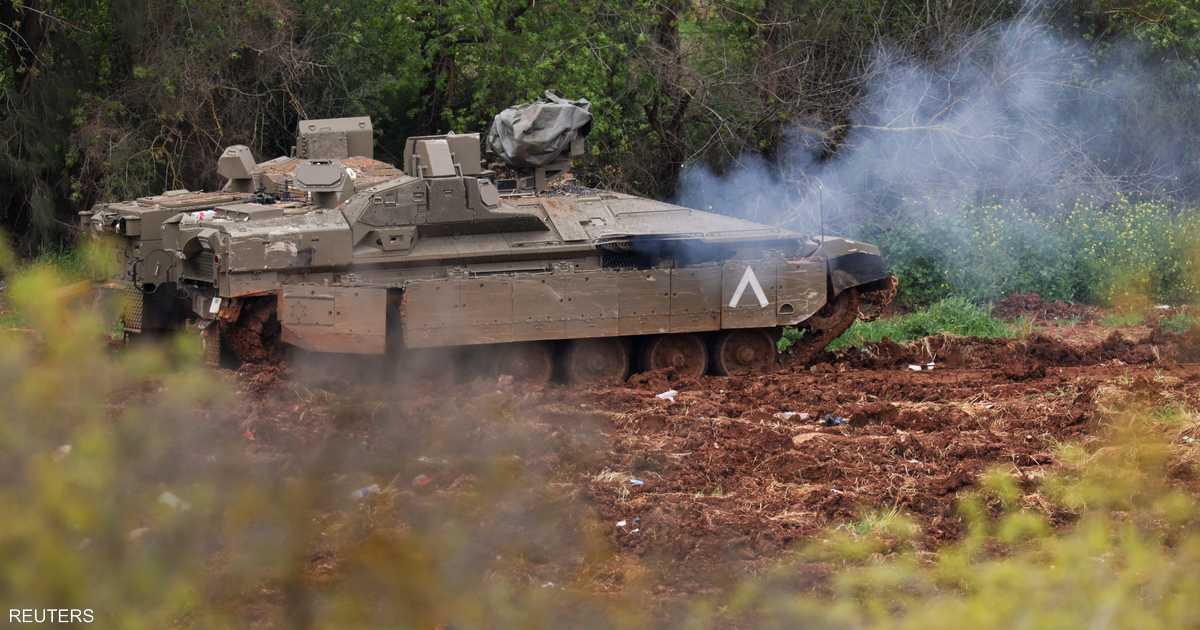
Lebanese Return to South Lebanon After Israel-Lebanon 10-Day Ceasefire Takes Hold
27 sources compared
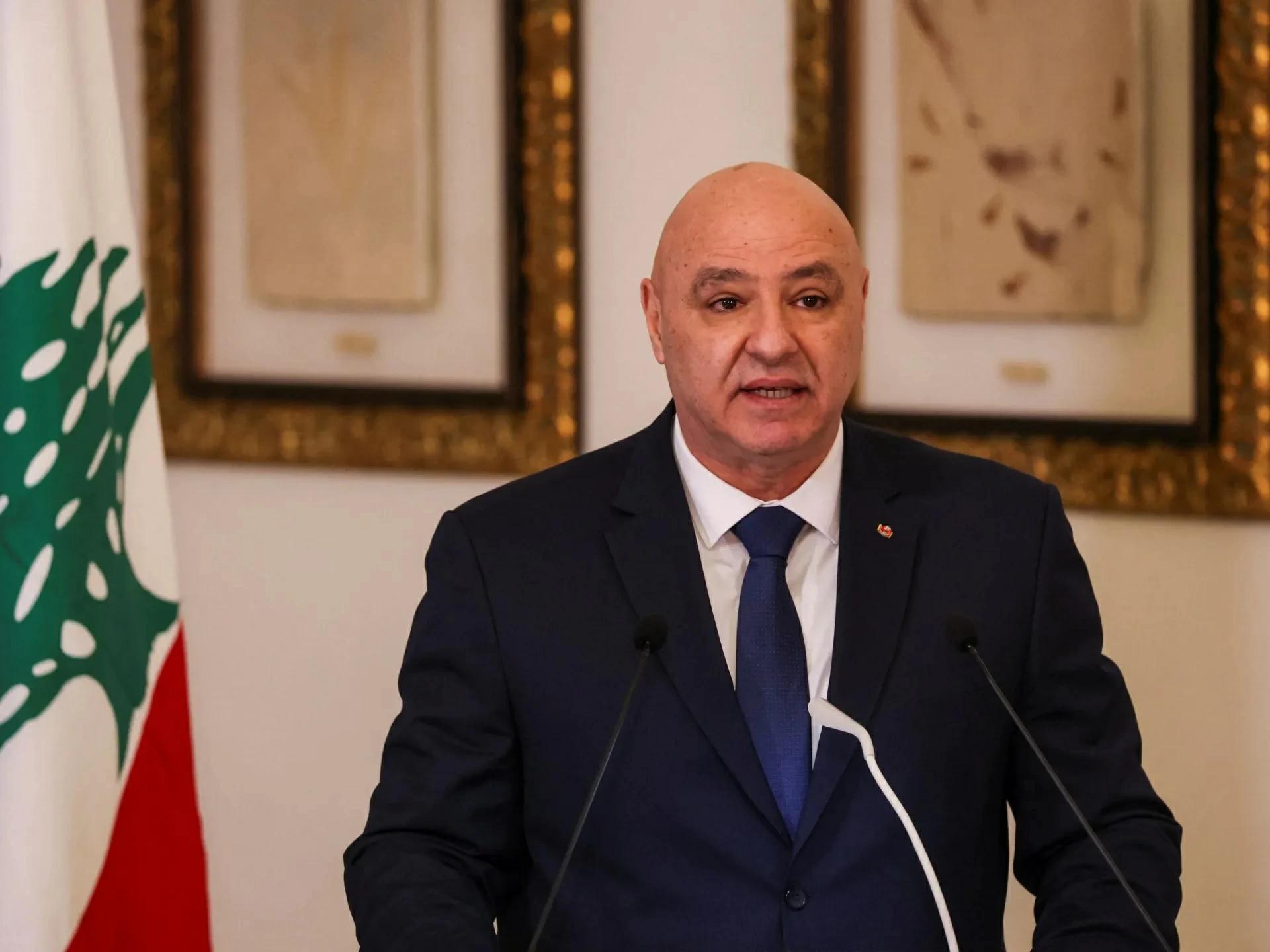
IDF Continues Attacks on Hezbollah in Southern Lebanon Despite 10-Day Ceasefire
10 sources compared