Israel Attacks Lebanon After Ceasefire, Leaving Nabatieh Residents Returning to Destroyed Homes
Key Takeaways
- Thousands of displaced Lebanese return to southern Lebanon as ceasefire takes effect.
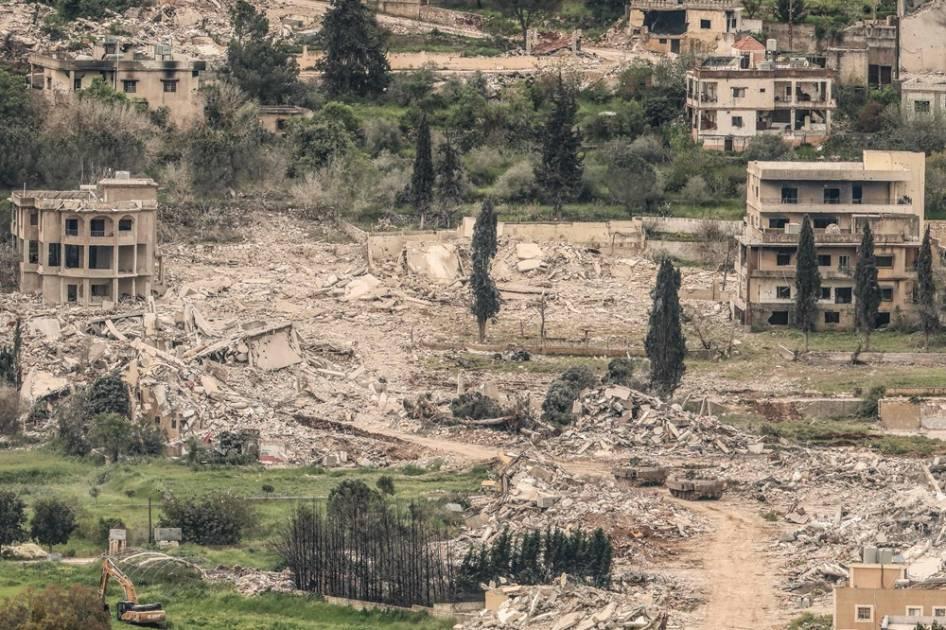
- Many homes in southern Lebanon remain destroyed as displaced families return.
- Ceasefire violations persist as Israeli shelling continues in the south.
Ceasefire Returns, Ruins Remain
Lebanon’s ceasefire with Israel, announced on Thursday for ten days, triggered the return of displaced people to the south even as destruction remained visible across towns and villages.
France 24 described displaced Lebanese children waving victory signs on Friday as they crossed along a winding route on a temporary bridge erected overnight over the Litani, while “the wreckage of houses, the rubble of destroyed buildings” and “the tense moments awaiting them on the far side of the river remain.”

The same report said many displaced people returned to what remained of their homes in areas including the southern suburb of Beirut and towns and villages in the south, but “tens of thousands did not enjoy this return” because their homes were destroyed or lay in areas still under Israeli control.
France 24 also tied the scale of displacement to evacuation orders from Israel during “six weeks of war,” saying “Approximately a quarter of Lebanese were forced to flee.”
It reported that Tel Aviv said it avoided targeting civilians, while the Lebanese Health Ministry said “at least 2,294 people had been killed and 7,544 others injured in Israeli attacks since March 2,” and noted that “a quarter of the victims were women, children, and rescuers.”
In Nabatieh, France 24 showed how the return could quickly turn into another departure, quoting Fadel Badruddin saying he and his wife and their young son “would not be able to live there for the time being,” adding, “We take our belongings and go back. Maybe God will ease our burden and end all this now—not temporarily—so that we can return to our homes.”
Yellow Line, Bulldozers, and Warnings
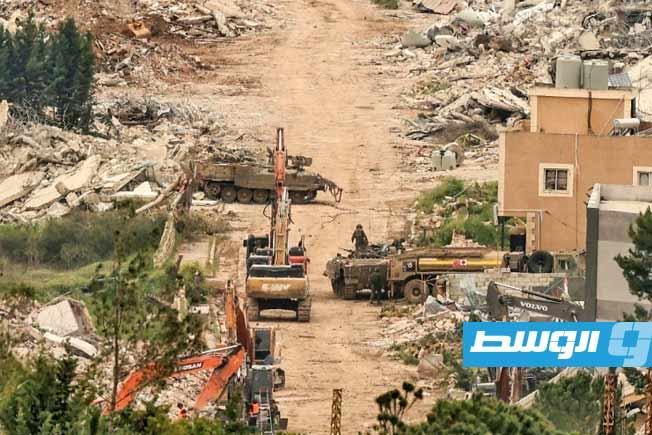
While displaced families tried to cross back into southern Lebanon, multiple reports described Israeli military actions continuing after the ceasefire took effect, including demolitions and the establishment of a “yellow line.”
Truthout said that “Despite a ceasefire announced Friday,” Israel “continued to level villages and homes across southern Lebanon from Friday into Saturday,” and it cited Israeli Army Radio announcing a “yellow line” about “10 kilometers north of the Israeli border,” which it said would allow Israel to occupy “about 10% of Lebanese territory” and maintain control of “55 towns and villages.”

Truthout also said Lebanon’s National Council for Scientific Research reported Israeli forces were destroying “more than 1,000 homes per day since March 2,” and it described escalation after Israeli Defense Minister Israel Katz ordered the military to “accelerate the destruction of Lebanese homes” near the border based on the “model in Gaza.”
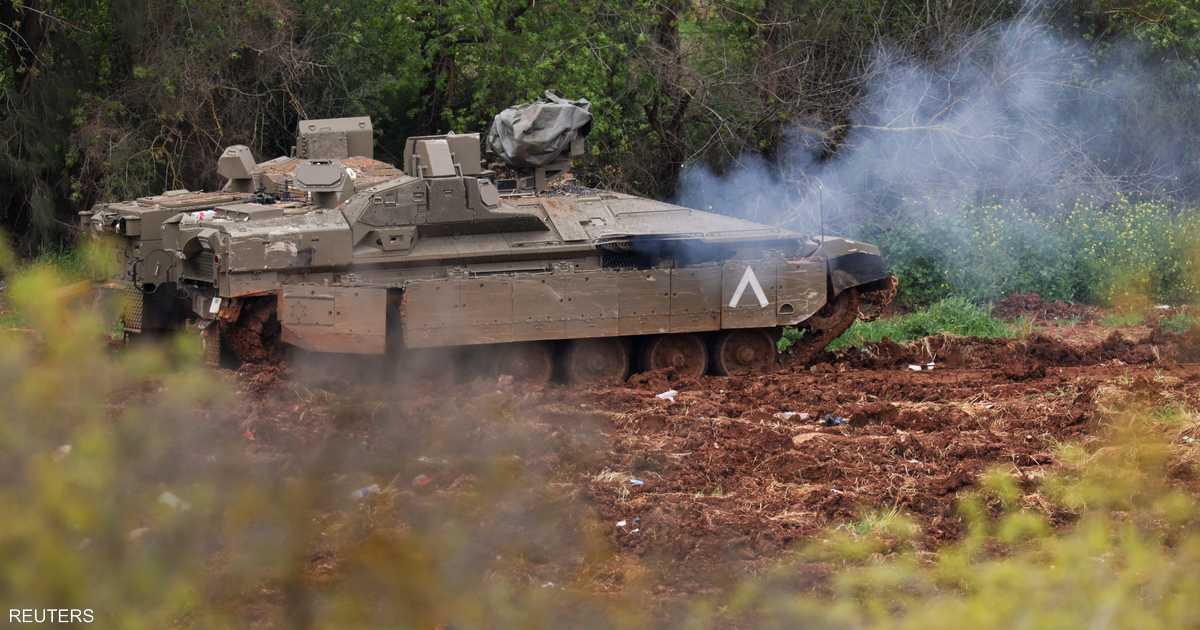
It further reported that Israel warned tens of thousands of displaced Lebanese civilians not to return to their homes despite the ceasefire, and that Israel said it carried out “precise strikes” after people approached the newly established yellow line.
In parallel, Space Daily described “active Israeli bulldozers” and said “Israeli bulldozers continued demolition work inside Lebanese territory after the ceasefire took effect,” while reporting that Prime Minister Benjamin Netanyahu had “reportedly said Israeli troops will remain inside a security zone he calls essential” and that Israeli officials stated forces would remain “indefinitely.”
The same broader picture was echoed by بوابة الوسط, which said the Israeli occupation army “carried out demolition operations again today, Saturday, in the southern Lebanese city of Bint Jbeil,” and it cited the National News Agency saying “the Israeli enemy repeats the demolition of houses in the city of Bint Jbeil.”
Voices From the Return Route
Accounts from the ground portrayed a return shaped by fear, grief, and uncertainty, even when families reached their towns.
France 24 followed the Halabi family as they returned across the Litani River after Israeli forces on Thursday destroyed “the last bridge linking the south to the rest of Lebanon,” and it described workers with bulldozers and excavators building an earthen dam at Al-Qasmiya under floodlights.
After “10 hours in the car,” the family passed “huge mounds of rubble” as they slowly made their way toward Tyre, and Sobhi Halabi, 80, hugged his grandson and granddaughter on arriving at an apartment with pictures of family members and Hezbollah leaders, saying: “These are the first two to come... sons of my son.”
In Nabatieh, France 24 quoted Fadel Badruddin describing the return as impossible for his family, saying “We take our belongings and go back. Maybe God will ease our burden and end all this now—not temporarily—so that we can return to our homes.”
RFI described residents in Nabatieh resettling “with caution,” including Zainab, who said she was “wondering if the door was still standing,” and who described how “It’s on the second floor that everything is destroyed.”
RFI also captured Zainab’s fear of unexploded or ongoing danger, with her saying, “We don’t want to touch anything; we’re a little afraid,” and she asked, “Let it last, and that we won’t have to leave again. We’re scared,” while adding, “Just in case. Only God knows...”
Competing Narratives of the Same Pause
The ceasefire’s meaning diverged across outlets, with some emphasizing the return journey and others emphasizing continued destruction and contested control.
France 24 framed the moment as “the joy of the displaced returning to the south after the ceasefire,” describing children waving victory signs and families crossing a temporary bridge over the Litani, while acknowledging that “tens of thousands did not enjoy this return.”

It also reported that “Tel Aviv said it avoided targeting civilians,” while the Lebanese Health Ministry said “at least 2,294 people had been killed and 7,544 others injured in Israeli attacks since March 2.”
By contrast, Truthout described the ceasefire as not halting destruction, stating Israel “continued to level villages and homes across southern Lebanon from Friday into Saturday” and characterizing the approach as a continuation of “Gaza tactics.”
Space Daily described the pause as “less a peace than a holding pattern,” and it said “Israeli bulldozers continued demolition work inside Lebanese territory after the ceasefire took effect,” while reporting Netanyahu’s claim that troops would remain in a security zone “indefinitely.”
بوابة الوسط added another layer by reporting that the Israeli occupation army “repeats the demolition of houses” in Bint Jbeil even after the truce came into effect on Friday, and it connected the town’s symbolic significance to Hassan Nasrallah’s “Liberation Speech” on May 26, 2000.
What Comes Next for Lebanon
The sources portrayed the ceasefire period as fragile and potentially destabilizing, with continued military actions and uncertainty about what displaced families can safely do next.
France 24 reported that rescue and return were occurring while “tens of thousands did not enjoy this return,” and it described how some families were forced to leave again when they found their homes destroyed or located in areas still under Israeli control.
It also described the practical disruption caused by the destruction of the last bridge linking the south to the rest of Lebanon, with workers building an earthen dam at Al-Qasmiya under floodlights and families spending “10 hours in the car” on a trip that usually lasts about an hour.
Space Daily said the ceasefire text “does not mention Hezbollah,” and it argued that Hezbollah’s role as “the military actor whose behavior the agreement is designed to constrain” creates a structural problem, adding that “The Lebanese government can neither compel Hezbollah to disarm nor prevent Israel from using Hezbollah’s presence as justification for indefinite military operations inside sovereign Lebanese territory.”
Truthout similarly said Israel warned displaced civilians not to return and that it carried out “precise strikes” against people approaching the “yellow line,” framing the immediate future as a period where movement could trigger air and ground strikes.
DW described how the conflict’s ripple effects were pushing Syrians out of Lebanon and into Syria, with “more than 227,549 people” crossing from Lebanon into Syria, according to IOM, and it reported Lebanon’s health authorities estimated the death toll from Israel’s attacks on Hezbollah at “around 2,196.”
More on Lebanon

Naim Qassem Says Hezbollah Truce With Israel Must Be Two-Sided, Vows Response To Attacks
16 sources compared

Macron Blames Hezbollah for Killing French UNIFIL Peacekeeper in Southern Lebanon
16 sources compared
Lebanese Return to South Lebanon After Israel-Lebanon 10-Day Ceasefire Takes Hold
27 sources compared
IDF Continues Attacks on Hezbollah in Southern Lebanon Despite 10-Day Ceasefire
10 sources compared