Britain05 February, 20262 min read
Publication of Epstein Files Forces Keir Starmer to Defend Peter Mandelson as UK Ambassador to the US
Keir Starmer apologised to Jeffrey Epstein’s victims for appointing Peter Mandelson ambassador. Published Epstein files show Mandelson exchanged messages, received funds, and passed market-sensitive information to Epstein.
41 outlets told this the same way.
Outlets did split on UK Police Charge Teddy Young With Spying For Foreign Power, Royal Navy Member →
Mandelson and Epstein fallout
Newly released U.S. Department of Justice files and previously published emails have triggered a political crisis in London.
“Newly released US Department of Justice files and previously published emails show a closer and longer‑running relationship between former EU commissioner and UK ambassador appointee Peter Mandelson and Jeffrey Epstein than was publicly known when Mandelson was appointed ambassador to the US.”
They reveal a closer and longer-running relationship between Lord Peter Mandelson and convicted sex offender Jeffrey Epstein than was publicly known when Mandelson was named UK ambassador to Washington.

Media accounts say the tranche of material includes extensive correspondence and files.
Those disclosures prompted Prime Minister Keir Starmer to withdraw the appointment and apologise to Epstein's victims.
The revelations have also prompted police and parliamentary scrutiny.
Sources say Mandelson was sacked last September after earlier emails emerged.
They add that the DOJ collection is vast, containing millions of pages, videos and images.
The size of the collection has intensified scrutiny over who knew what before the appointment.
Epstein and Mandelson allegations
Multiple outlets cite allegations of financial transfers and message exchanges that suggest a warmer relationship than Mandelson publicly acknowledged and, in some accounts, possible sharing of market-sensitive information. Several reports say bank records show Epstein made payments totalling about $75,000 in 2003–04 to accounts linked to Mandelson or his partner.
Emails published in UK tabloids include lines urging Epstein to 'fight for early release' and messages such as 'I think the world of you.' Mandelson has questioned the authenticity of some documents and says he does not recall receiving the funds.

Starmer apology and fallout
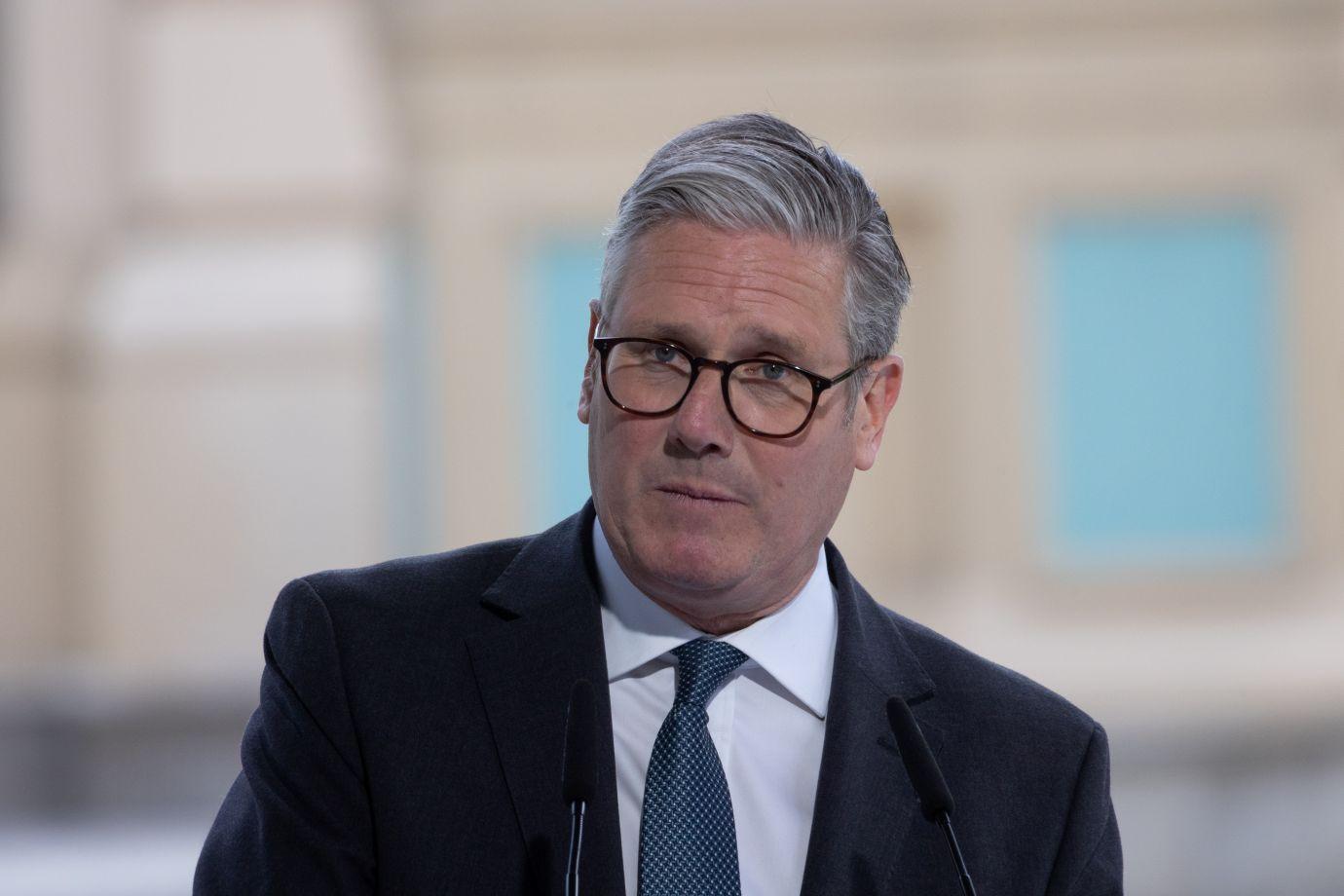
Prime Minister Keir Starmer has publicly apologised to Epstein's victims and accepted political responsibility for appointing Mandelson after saying he had been misled by him, but the apology has not quelled cross-party outrage or unrest inside Labour. Starmer told the public he was "sorry for having believed Mandelson's lies."
“Prime Minister and Labour leader Keir Starmer publicly apologised to Jeffrey Epstein’s victims for 'having believed Mandelson’s lies' after revelations about Lord Peter Mandelson’s links to the convicted sex offender prompted Starmer to appoint — then sack — Mandelson as UK ambassador to the US.”
He ordered an urgent civil-service review of how Mandelson's contacts were handled in vetting and agreed to hand relevant appointment documents to parliament's Intelligence and Security Committee. Critics, including opposition politicians and a victims' lawyer quoted in media, called the apology insufficient, and some Labour MPs and commentators are calling for further accountability at senior levels.
Vetting files publication dispute
The logistics and legal risk of publishing the vetting files have become a separate flashpoint. Ministers agreed in principle to release correspondence, but the Metropolitan Police asked for publication to be delayed because of an ongoing investigation. Parliament’s Intelligence and Security Committee will decide what, if anything, must be withheld.
Coverage differs on whether the delay is routine caution or an attempt to withhold politically damaging material. Opponents accuse the government of stalling, while officials and the ISC insist redactions and police requests are legitimate precautions.

Allegations, probes and markets
Beyond politics, the allegations have prompted formal probes and raised questions about market-sensitive disclosures and institutional oversight. The Metropolitan Police opened an investigation into suspected misconduct in public office. The EU is reported to be investigating Mandelson's conduct while he was a commissioner.
“The Metropolitan Police have asked for publication to be delayed because they are investigating allegations that Peter Mandelson allegedly passed confidential government information to Jeffrey Epstein in 2009. Opposition parties have called for an immediate no-confidence vote, and the Bank of England governor said he was 'shocked' by newly released US files alleging Mandelson shared market-sensitive information during the financial crisis.”
Commentators warned of market and polling fallout. Financial and market concerns, including warnings that a leadership crisis could hurt the pound and increase government borrowing costs, appear in some coverage. Other coverage calls to prioritise victims and accountability, illustrating how sources differ by focus and implied severity.