Ukraine War02 November, 20253 min read
Putin Orders Preparations for Nuclear Tests After Trump Threatens US Nuclear Detonations
This article is an automated aggregation of coverage from news outlets. Our editorials offer in-depth analysis curated by the NewsCord team.
Putin ordered preparations for nuclear tests following Trump's announcement of US testing plans. Trump accused Russia, China, North Korea, and Pakistan of secretly conducting underground nuclear tests.
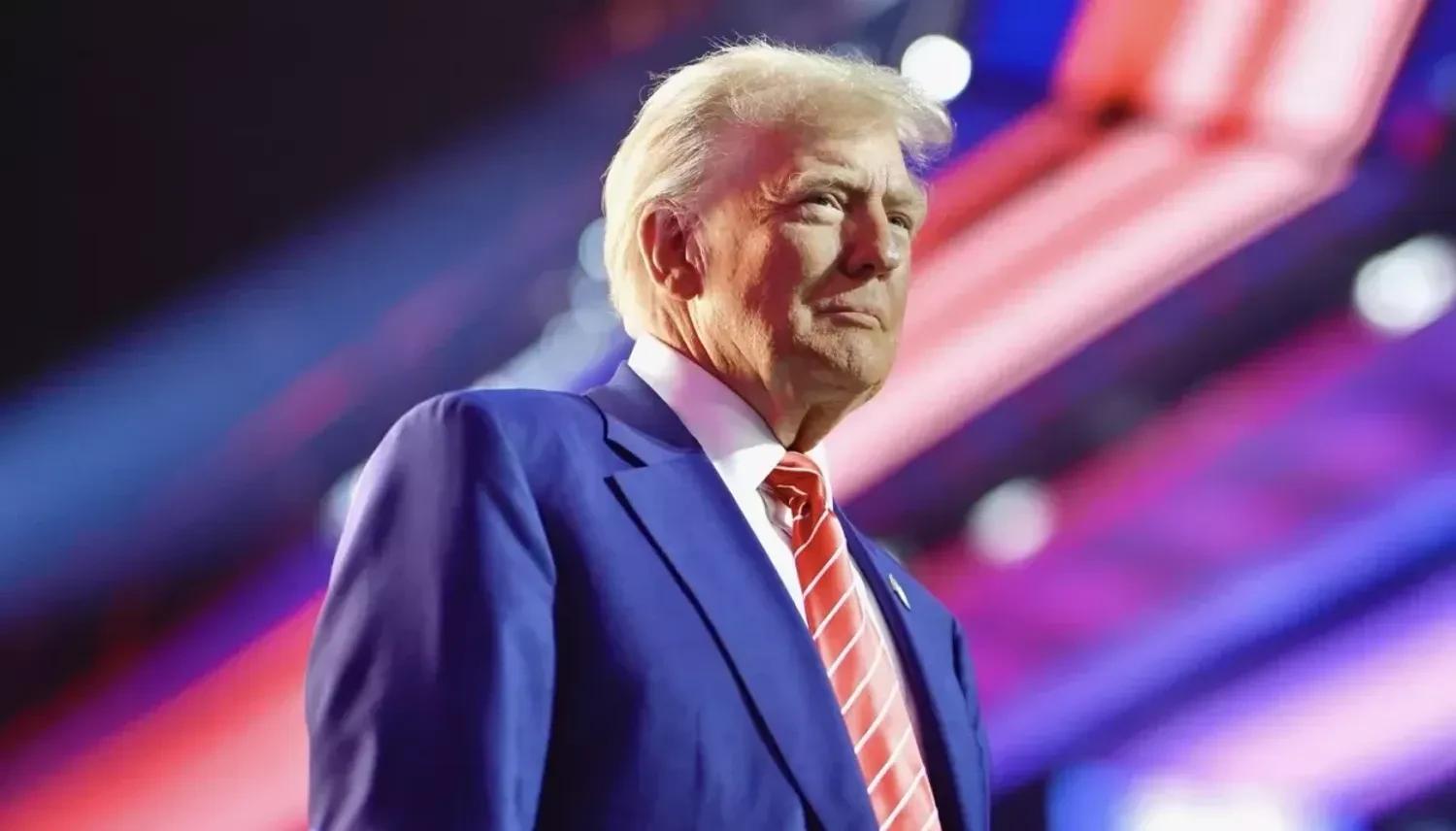
21 outlets told this the same way.
Outlets did split on Russian Attack Kills At Least 33 On Two Buses In Kramatorsk →
Clarifications on US Nuclear Testing
Multiple outlets report that Donald Trump’s statements about restarting U.S. nuclear testing triggered confusion over whether Washington was preparing full nuclear detonations. This was followed by swift clarifications from his own administration. Asian outlets Firstpost and Hindustan Times describe Trump’s remarks as suggesting or announcing a resumption of testing.
“Energy Secretary Chris Wright addressed confusion caused by President Trump’s ambiguous social media remarks about resuming nuclear testing.”
Firstpost, The Killeen Daily Herald, and The Straits Times stress that officials clarified the planned activities are non-nuclear “system tests” or “noncritical explosions.” The U.S. has observed a de facto moratorium on explosive tests since 1992. African and Western tabloid reporting added to the confusion.
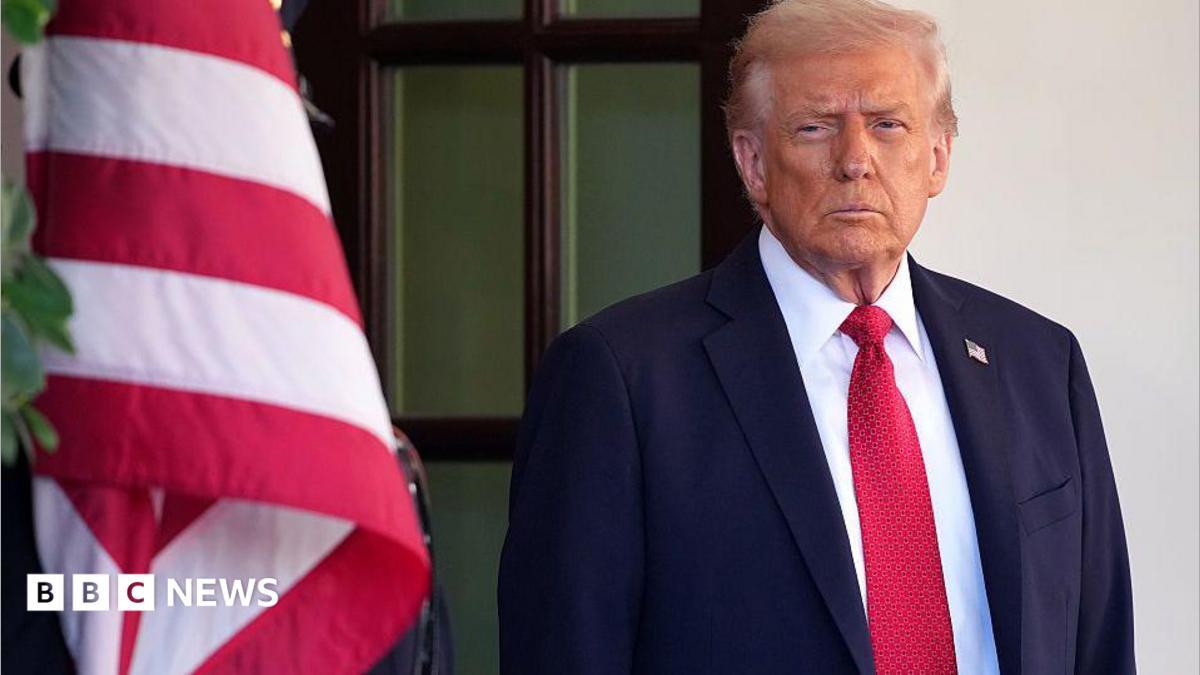
Punch Newspapers and news.meaww say Trump announced plans to resume testing. However, meaww simultaneously notes the Department of Energy’s clarification that upcoming tests will not be full-scale detonations. Overall, mainstream and local sources converge that Energy Secretary Chris Wright underscored no nuclear blasts are planned, despite Trump’s earlier ambiguous comments.
Russia's Nuclear Testing Signals
Reports on Russia’s posture emphasize conditionality rather than a confirmed directive from Vladimir Putin to conduct nuclear detonations. Asian and other outlets such as Firstpost, The Killeen Daily Herald, and Zoom Bangla News report that Moscow has warned it might resume explosive testing if the U.S. does so first. These sources also note Russia’s recent tests of nuclear-capable weapons.
The Straits Times adds that there is no evidence Russia has conducted a nuclear detonation since the 1990s. Western mainstream media like the BBC interpret these signals as part of a broader leverage campaign. The BBC suggests recent developments could strengthen Putin’s negotiating position with Trump.
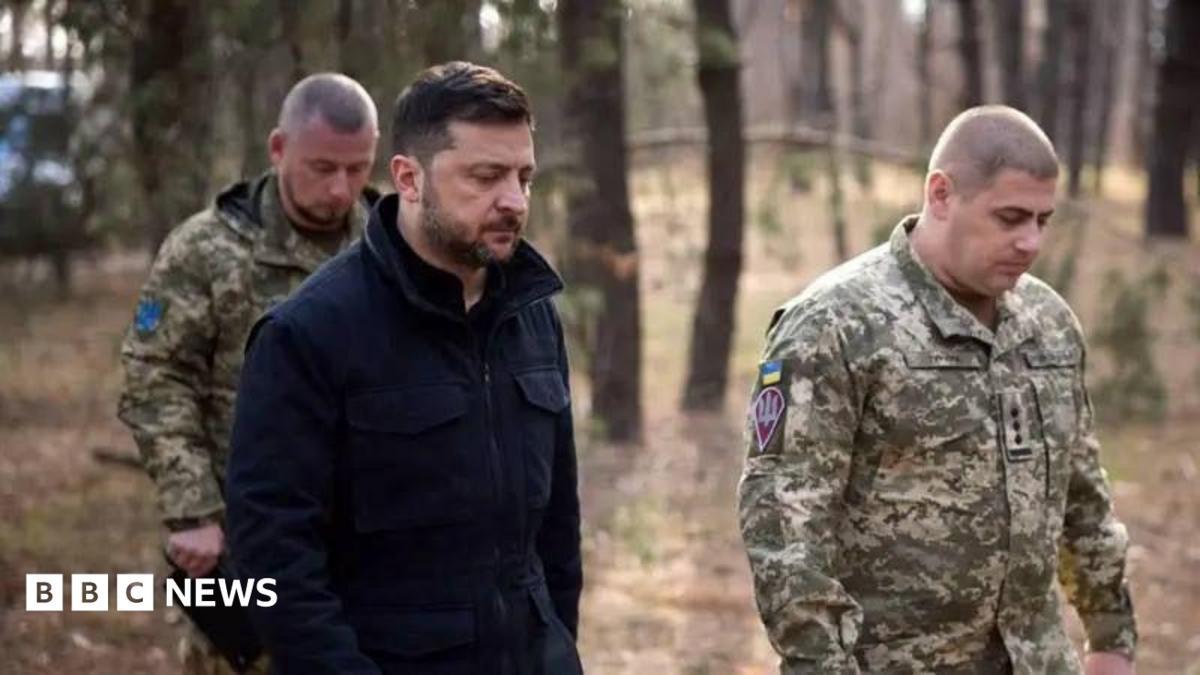
The Independent’s frontline reporting on Pokrovsk highlights the intensifying war context that may influence Moscow’s coercive signaling. None of these sources report a verified Kremlin order to prepare for nuclear tests; they describe warnings, military pressure, and negotiation dynamics.
Disputes Over Nuclear Testing Claims
Competing claims about who is testing what drive sharp divergence across outlets. Other (Yeni Safak) and Other (SSBCrack News) report Trump’s 60 Minutes assertion that Russia and China are actively or secretly testing nuclear weapons. Western Tabloid (news.meaww) adds that rivals like Russia and China “continue testing.”
“On November 2, President Donald Trump announced plans to resume nuclear testing ... with countries like Russia, China, and North Korea, which continue testing.”
By contrast, Asian (The Straits Times) and Asian (The Japan Times) stress there is no evidence for Russian or Chinese detonations. Japan Times adds Trump “offered no evidence” for his claims and that U.S. plans remain unclear. This clash in accounts is central to whether any Russian move is framed as preparing for tests or merely threatening to do so.
Nuclear Test Policy and Reactions
Policy and legal framing further complicate the headline narrative. Asian sources like Hindustan Times note that the CTBT has wide signature but not universal ratification, and that the U.S. signed but never ratified it. Other local Western outlets such as The Spec and The Killeen Daily Herald, along with Asian/Western mainstream media like Zoom Bangla News and Firstpost, detail Energy Secretary Chris Wright’s clarifications.
Wright explained that pending activities are non-critical, non-nuclear system checks within a de facto moratorium dating back to 1992. Western mainstream outlet Українські Національні Новини adds institutional perspectives, including Guterres warning that resuming tests could heighten nuclear risks.
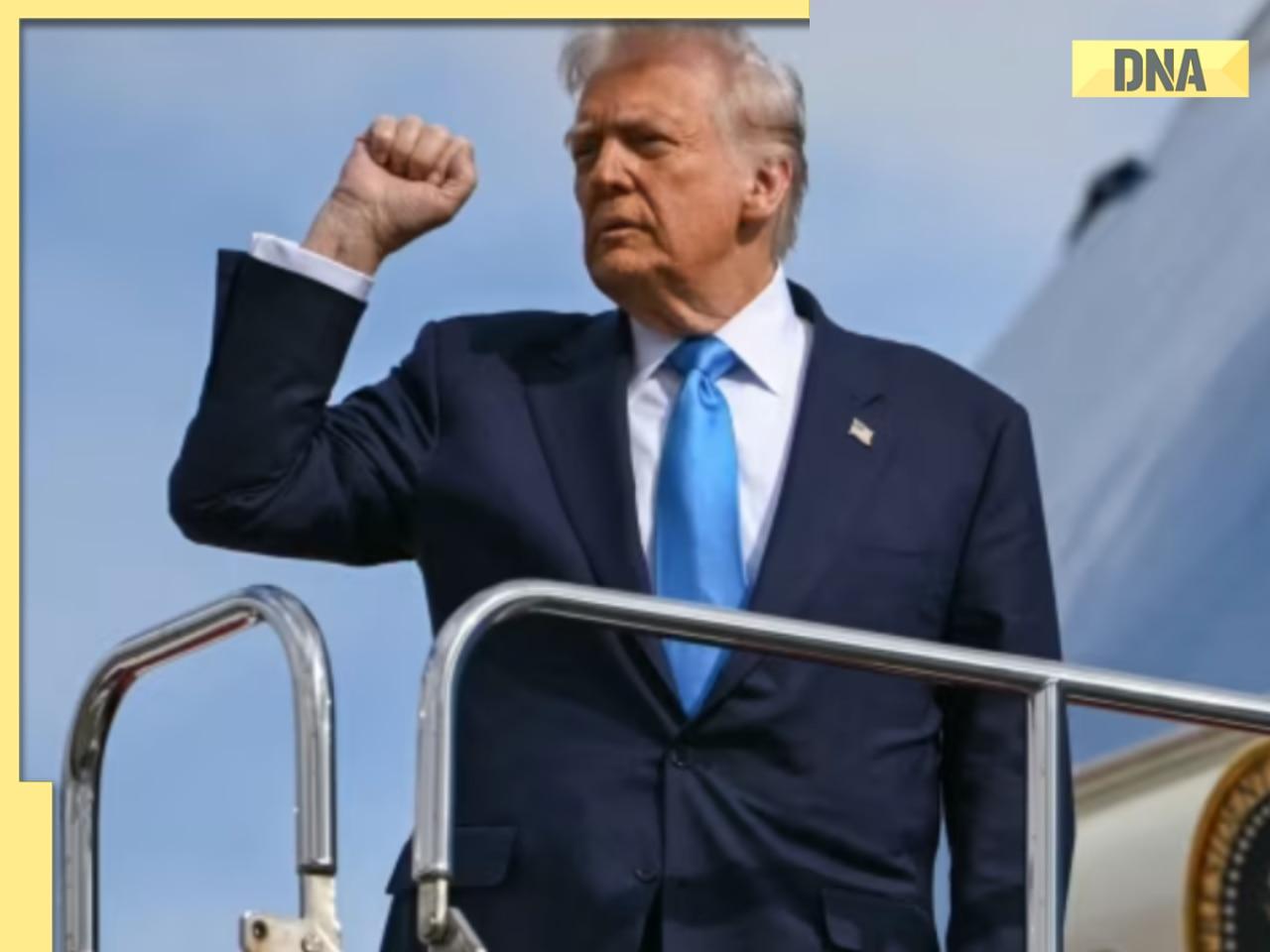
The Pentagon offers a view that testing might reduce conflict risk, while an official line states there are no current U.S. plans for nuclear tests. Asian media such as the Times of India emphasize that the energy secretary’s comments aimed to clear confusion about whether “actual explosions” were being considered.
Nuclear Test Announcements and Reactions
Diplomatic timing and signaling are significant factors in the current situation. There is no confirmation from sources that Putin actually ordered preparations for nuclear tests. Asian outlets like The Straits Times and African sources such as Punch Newspapers note that the U.S. testing announcement came ahead of a summit with China’s Xi.
“Despite Trump canceling a planned summit with Putin due to frustration over the lack of a ceasefire, Russian officials remain hopeful for a deal.”
Western mainstream media, including the BBC, reports that Putin aims to strengthen his negotiating position with Trump. This occurs even as Trump has canceled a planned summit with Putin due to the absence of a ceasefire. Asian media, including DNA India, highlight Trump’s claim that U.S. test sites are ready and his belief that renewed testing would not significantly escalate tensions.
&w=1920&q=75)
Meanwhile, Western mainstream Ukrainian National News emphasizes that officials say there are no current plans for nuclear tests. Overall, the reporting suggests posturing and conditional threats rather than confirmed orders from Moscow to proceed with nuclear test preparations.