Russia06 November, 20253 min read
Putin Orders Russia to Prepare Nuclear Tests in Response to US Directive
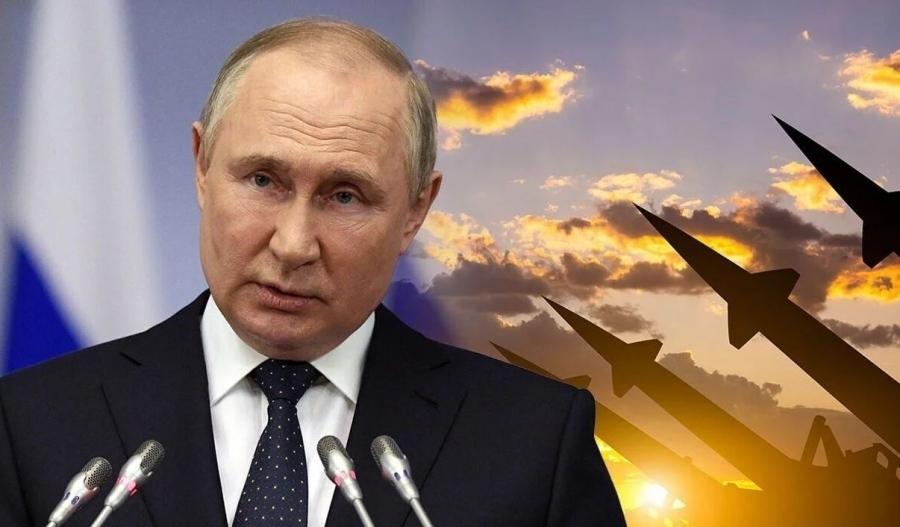
Putin ordered Russian officials to prepare proposals for resuming nuclear weapons testing. The directive follows U.S. President Trump's announcement to potentially restart nuclear tests.
9 outlets told this the same way.
Russia's Nuclear Test Preparations
Russian President Vladimir Putin has ordered ministries to prepare coordinated plans for potential nuclear weapons tests. He linked any such move to a possible U.S. resumption of testing and the broader framework of the Comprehensive Nuclear-Test-Ban Treaty (CTBT). Al Jazeera reports that Putin warned if the U.S. or any other CTBT signatory resumes nuclear testing, Russia will respond in kind.
“He has ordered Russian ministries to prepare coordinated plans for potential nuclear tests, marking a notable shift since Russia's last tests in 1991.”
Novaya Zemlya is noted as a potential site for these tests, with the last Russian tests conducted there in 1991. The Western mainstream outlet DIE WELT states that Putin has instructed his government to assess the possibility of conducting nuclear weapons tests, but this does not imply tests will happen soon.

Similarly, the Asian outlet Daily Times says Putin has directed officials to prepare proposals for potentially resuming nuclear weapons testing, without setting a timeline. The source Bankingnews adds that Deputy Prime Minister Belousov proposed preparing for possible full-scale tests using Novaya Zemlya's infrastructure, emphasizing readiness but not an immediate restart.
US-Russia Nuclear Test Tensions
Several sources link Moscow’s planning to U.S. signals regarding testing and the Comprehensive Nuclear Test Ban Treaty (CTBT). The Hindu reports that the U.S. has signed but not ratified the CTBT, quoting Energy Secretary Chris Wright who clarified that any new tests ordered by former President Trump would be non-explosive. Bankingnews states that President Putin reaffirmed Russia’s commitment to the CTBT but warned of corresponding measures if Washington continues to violate the treaty, while noting that the U.S. response remains uncertain.
Al Jazeera highlights U.S. actions such as sanctions and criticism of Russian missile tests, along with indications from former President Trump about restarting U.S. nuclear testing. Daily Times frames Russia’s move as a reaction to former President Trump’s remarks about restarting U.S. nuclear tests, emphasizing that U.S. rhetoric is a key trigger across media coverage.
Risks of Renewed Nuclear Testing
Multiple outlets warn that a renewed testing race could be globally destabilizing. Al Jazeera states experts caution such moves could trigger a destabilizing arms race, especially as other nuclear powers like China are also expanding their arsenals. Bankingnews echoes that tests by either side could trigger a dangerous new arms race, linking risks to U.S. force modernization and frequent nuclear exercises.
“Experts warn that renewed nuclear testing by the U.S. and Russia could trigger a destabilizing arms race, especially as other nuclear powers like China are also expanding their arsenals, raising global security concerns.”
Daily Times highlights the wider fallout, noting that there have been no explosive tests by the U.S. or Russia in the 21st century. The Daily Times also warns that preparation for such tests would take time, intensify tensions, and cause environmental harm.
Russia's Arctic Military Tests
Operationally, reporting converges on Novaya Zemlya as the likely venue and on Russia signaling advanced capabilities. Al Jazeera notes Novaya Zemlya in the Arctic as a potential test site. Bankingnews says Belousov wants to leverage existing infrastructure on the Novaya Zemlya archipelago.
Bankingnews also cites heightened concern after Russia’s test of the Petrel (Burevestnik) nuclear-powered cruise missile as evidence of strategic ambition. Counterbalancing urgency, DIE WELT stresses that assessing tests does not mean tests will happen imminently. This situates the debate amid ongoing Ukraine-war-related security events.
Media Coverage of Nuclear Issues
Coverage styles diverge widely among different media outlets. DIE WELT (Western Mainstream) integrates the nuclear story into broader domestic and wartime contexts. It mentions a Moscow appearance where a gift-giving clip was removed from propaganda channels and reports on Ukraine-related drone attacks.
“During a public appearance in Moscow, Putin met a young girl who gave him gifts including a plush toy, notepads, and a thermos; this moment was reportedly removed from propaganda channels.”
The Journal (Western Mainstream) is unique in this batch for being entirely off-topic, running a funding appeal to sustain its reporting. India.com (Other) combines various domestic updates with international notes on U.S. ballistic missile deployment.
This deployment is described as presenting strategic challenges to global leaders like Putin. In contrast, Al Jazeera focuses specifically on CTBT triggers and the risk of an arms race.