
Putin prioritizes Trump's 'neutrality' on Ukraine over the alliance with Iran.
Key Takeaways
- Putin prioritized securing Trump's neutrality on Ukraine over Russia's alliance with Iran
- Putin and Trump spoke by phone about Iran and Venezuela in their first 2026 conversation
- Ali Jamenei was killed February 28 in a US and Israeli airstrike over Tehran
Jamenei's death and view
Vladimir Putin may view the death of Ali Jamenei, killed on February 28 in a US and Israeli airstrike over Tehran, as a vindication of his chronic fears about Ukraine: Iran allowed itself to be surrounded by US bases and hostile governments, took part in negotiations with Obama and was "stabed" years later.
“- US: Putin and Trump talk by phone about Iran and Venezuela in their first conversation of 2026 - War in Ukraine: the UN accuses Russia of "crimes against humanity" for deporting Ukrainian children Vladimir Putin may view the death of Ali Jamenei, killed on February 28 in a US and Israeli airstrike over Tehran, as a vindication of his chronic fears about Ukraine: Iran allowed itself to be surrounded by US bases and hostile governments, took part in negotiations with Obama and was "stabbed" years later”
Russia–Iran ties
With the fall of Bashar Assad, in addition to losing a strategic ally, Russia squandered a significant portion of the regional influence it had developed over almost ten years of diplomatic and military engagement with Syria.
Iran now occupied a much more important place in Moscow's strategic thinking.
Cooperation on defense and energy are two areas in which the relationship between the two countries had grown.
Iranian drones have contributed to Russia's military actions in Ukraine.
In February, Reuters reported a secret agreement to sell Iran Verba MANPADS, short-range man-portable anti-aircraft missiles.
Economic and regional risks
A regime debacle could freeze or revisit major gas, oil and civil nuclear projects, put the route of Russian gas to Iran in doubt, and turn already committed investments into politically toxic or financially useless assets.
“- US: Putin and Trump talk by phone about Iran and Venezuela in their first conversation of 2026 - War in Ukraine: the UN accuses Russia of "crimes against humanity" for deporting Ukrainian children Vladimir Putin may view the death of Ali Jamenei, killed on February 28 in a US and Israeli airstrike over Tehran, as a vindication of his chronic fears about Ukraine: Iran allowed itself to be surrounded by US bases and hostile governments, took part in negotiations with Obama and was "stabbed" years later”
There would not be a decisive breakdown in Russia's ability to continue fighting in Ukraine: much of drone production has already been located within its own borders.
Moscow has a great deal to lose economically in Iran, given decades of investment in the energy, railway and nuclear sectors.
For now Tehran has bet on continuity in producing a new leader, and the US has not received the idea well.
In the nearer region, Moscow worries that the attack on Iran could destabilize the South Caucasus and Central Asia, where Tehran maintains significant influence.
When the United States and Israel attacked Iran in June 2025, Russian officials already stressed that their "strategic partnership" did not provide for mutual military assistance in the event of aggression.
Putin's approach to Trump
Putin has avoided antagonizing Trump even though the US leader still brandishes the smoking gun with which he killed the major Russian ally in the region.
The Russian president does not want to jeopardize Trump's "friendly neutrality" in Russia's war with Ukraine, which after all helps reduce aid to Kyiv and eases some sanctions.
Another advantage for Moscow is the reduced international attention to the invasion of Ukraine.
Russia benefits from the rise in oil prices, and Ukraine suffers from the spike in demand for interceptor missiles.
The peace process, in which Putin believes he has weaker cards than in war, is now suspended due to the United States' intervention in Iran.
Russians and Ukrainians no longer have to pretend they are negotiating.
When those talks resume, Moscow will probably be in a stronger economic position and, "through possible agreements with the Trump administration, will be stronger politically," says essayist Anton Shejovtsov, author of Shreds of War.
"Trump behaves like someone equally indifferent to war and to peace, but not indifferent to success.
He threatens both autocracies and democracies, but he is more expeditious with dictators.
For now there is neither a legal nor a conceptual framework to use force against democracies.
It is unrealistic even for Trump," explains Alexander Baunov, a Russian analyst and author of the book 'The End of the Regime'.
Sam Greene, a professor at King's College London, noted on X that "the idea that Putin suffers when he loses allies — whether Assad, Maduro or Jamenei — exists only in the heads of Western analysts and has no basis in observable facts."
There is no evidence "that he cares, that it affects his authority in the country or his legitimacy abroad."
More on Ukraine War
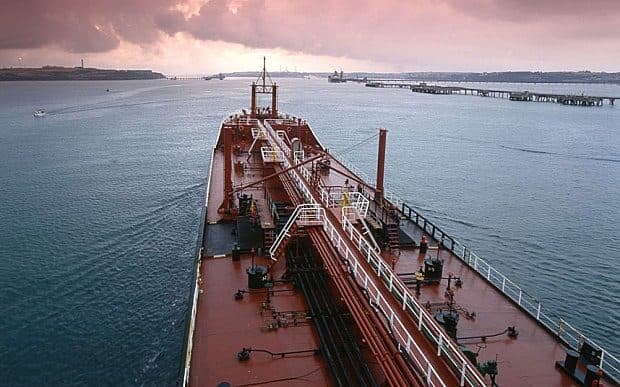
US Eases Russian Oil Sanctions Despite Allies' Warnings It Could Boost Kremlin War Chest
10 sources compared
Ukraine Strikes Bryansk Microelectronics Plant With Storm Shadow Missiles, Killing Six
13 sources compared
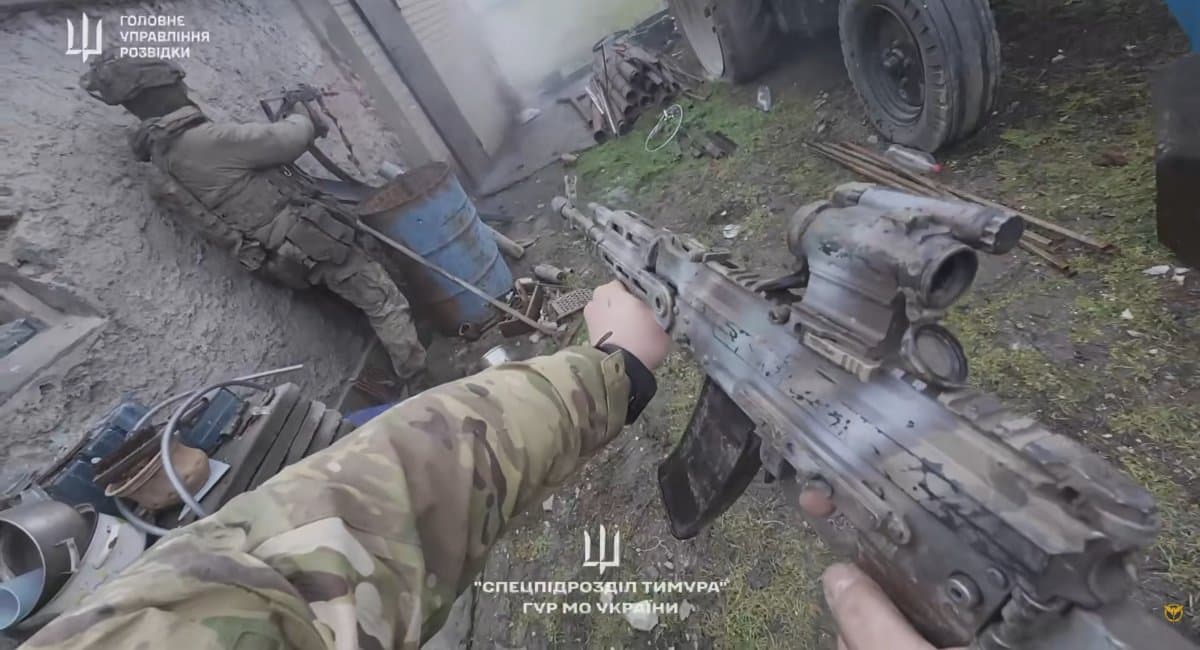
Ukrainian Forces Halt Russian Advance Toward Zaporizhzhia; HUR Claims 300 Russian Casualties
12 sources compared

Russia Kills at Least 10 in Kharkiv Apartment Missile Strike, Including Two Children
19 sources compared