Syria28 January, 20262 min read
Putin Reaffirms Russia's Support for Syria's Territorial Unity, Pledges Reconstruction Aid
Putin affirmed Russia's commitment to Syria's territorial unity. Russia pledged readiness to assist Syria's reconstruction, including Russian businesses' participation.
14 outlets told this the same way.
Outlets did split on France Suspends Police Stun Grenades at High School Protests After 15-Year-Old Loses Hand →
Russia and Syria cooperation
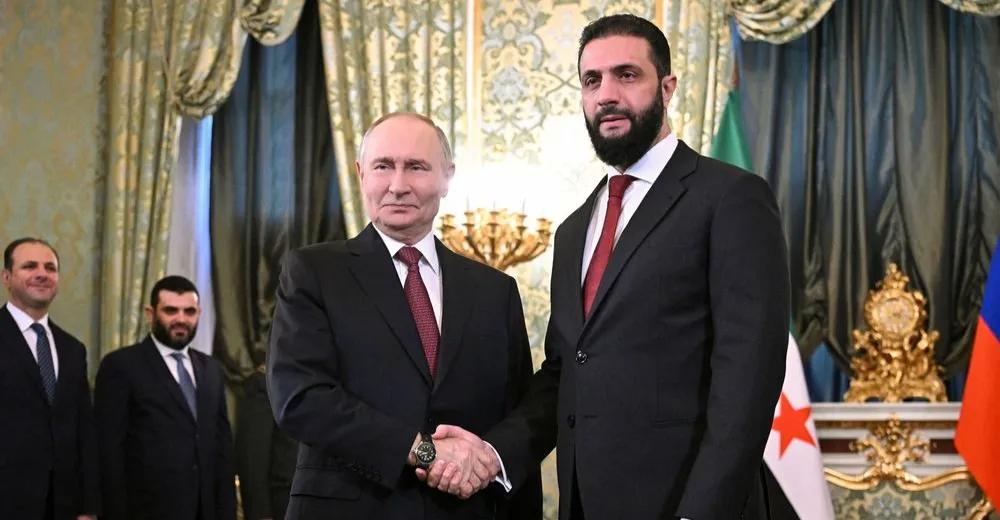
Russian President Vladimir Putin met with Syrian transitional President Ahmad al-Sharaa in Moscow. Putin reaffirmed Moscow's support for Syria's territorial unity and offered Russian help with reconstruction. Both leaders highlighted steps Syria has taken to overcome obstacles and begin recovery from destruction.
“Putin emphasized long-standing Moscow–Damascus ties, expressed a desire to expand economic and trade cooperation, offered Russian participation in Syria’s reconstruction, and reiterated support for Syria’s territorial integrity.”
The Kremlin described expanding bilateral ties and progress in economic cooperation. Putin said Moscow is ready to cooperate on reconstruction, including contributions from the Russian construction sector. Al-Sharaa thanked Russia for its role in stabilizing Syria and expressed hope that Russian backing will continue as Syria seeks to redefine its relationship with Moscow while honoring prior agreements.

Al-Sharaa's Moscow visit
Ahmed al-Sharaa used the Moscow visit to thank Russia for its stabilizing role. He also pressed for continued backing as his transitional administration seeks to consolidate control and redefine foreign ties.
Multiple accounts note al-Sharaa's public praise for Moscow's support of Syrian territorial unity and report that he asked for ongoing cooperation. Some pieces place the meeting in the context of his broader diplomatic outreach since taking office, including previous visits to Russia and interest in lifting U.S. sanctions.

Russian military presence in Syria
Sources diverge on Russia’s military footprint and on how explicitly Moscow addressed it during the talks. The Kremlin spokesman Dmitry Peskov declined to give details on Russia’s military presence, according to شفق نيوز.
“Kremlin spokesman Dmitry Peskov declined to give details on Russia’s military presence in Syria, referring such questions to the Defense Ministry and noting it was likely to be discussed during the talks.”
Operativ Məlumat Mərkəzi and Daily Times said the discussions were expected to touch on the status of Russian bases and the wider geopolitical situation. Thenationalnews and Daily Times report that Russia has adjusted forces on the ground in northeast Syria, noting a small contingent was pulled from Qamishli airport while core facilities such as Hmeimim airbase and the Tartus naval facility remain in place.
Coverage of Moscow's backing
Coverage diverges on the political and humanitarian implications of Moscow's backing. Western-alternative outlets (thenationalnews) frame Putin's support as an endorsement of al-Sharaa's offensive against Kurdish-led forces and discuss shifting alliances after Assad's ouster. Israeli reporting highlights concerns about violence against minority groups in the name of unity.
West Asian outlets (Al-Jazeera Net, شفق نيوز) stress reconstruction and restoring unity with a diplomatic tone. Other regional sources (Букви) situate the visit in a wider realignment away from Iran and Russia toward Turkey, Gulf states and the U.S.

Outstanding Russia-Syria issues
Key questions remain unresolved in reporting: whether Russia's reconstruction commitments will include concrete finance or only commercial participation, the precise status of Russian forces and bases, and whether Moscow addressed the fate of Bashar al-Assad—issues various sources flag as open or contested. Several pieces note al-Sharaa's prior demands that Russia hand over Assad and family assets and that Kremlin officials declined to detail military presence. Other reports point to shifts on the ground and a broader regional realignment that could shape reconstruction, sanctions relief, and security guarantees going forward.
“Putin said bilateral ties are deeply rooted and expanding, noting progress in economic cooperation.”