Ukraine War02 December, 20253 min read
Putin Rejects U.S. Territorial Demands After Five-Hour Kremlin Talks
Putin met U.S. envoys Jared Kushner and Steve Witkoff for nearly five hours in Moscow Talks were described as constructive but yielded no compromise on control of Ukrainian territory

41 outlets told this the same way.
Outlets did split on Russian Attack Kills At Least 33 On Two Buses In Kramatorsk →
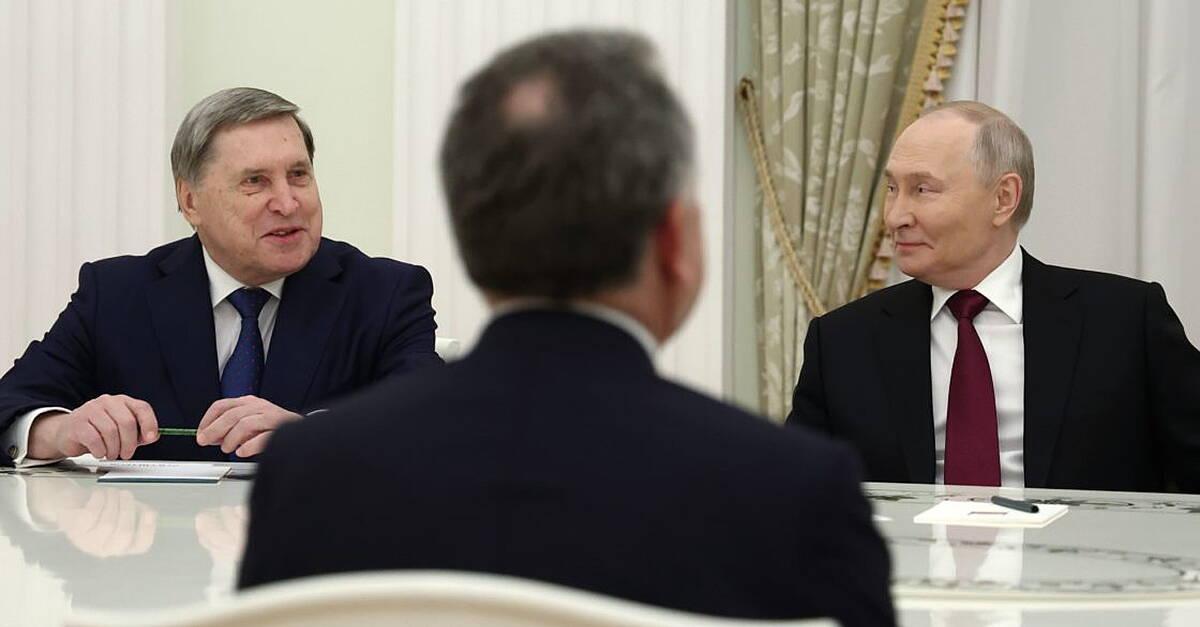
Putin meeting with envoys
Russian President Vladimir Putin met for nearly five hours in the Kremlin with U.S. envoys Steve Witkoff and Jared Kushner on 2 December. Kremlin aides described the session as useful or productive but said no territorial compromise was reached, leaving talks without a deal. Multiple outlets reported the visit ran late into the night, and Kremlin aide Yuri Ushakov called the discussions constructive while also saying the sides were 'no closer to resolving the crisis'.
The BBC and CBC likewise described the meetings as 'useful' and 'productive' but confirmed that no compromise has yet been found on the central territorial question. White House-linked figures planned follow-up briefings and diplomatic steps, but both Kremlin and Western accounts stressed the talks did not produce a breakthrough.

Territorial negotiations impasse
Territory emerged as the core impasse when multiple outlets reported the U.S. brought revised drafts, including a previously leaked 28-point plan, that appeared to reflect or accommodate some Russian territorial demands. European and Ukrainian officials reacted with alarm. The Straits Times and Daily Mail summarized reported Russian positions that would bar Ukraine from NATO, formalize Russian control over Crimea and parts of Donbas, and cap Ukraine's forces.
Kyiv called such terms capitulation and several European capitals began drafting counter-proposals. Newsweek and Al Jazeera reported that Washington and Kyiv later worked on updated frameworks after the leak. All sources agree that control over Donbas, Zaporizhzhia and Kherson remains the central sticking point.

Disputed Pokrovsk capture claims
On the battlefield, Moscow's claims of capture - especially of Pokrovsk - were widely reported but contested. DW cited an anonymous NATO official saying Russia now controls about 95% of the city. Al Jazeera and CBC noted Kyiv denies full Russian control and called some Moscow claims propaganda.
“Russia says it has seized Pokrovsk in the Donbas — a claim Kyiv denies, accusing Moscow of trying to create the impression its advance is inevitable.”
Sky News and several Western analyses described Russian advances as slow and narrative-driven rather than decisive. They warned that diplomacy taking place while fighting continues creates a fraught backdrop for any deal.
Diplomatic standoff over peace talks
The Kremlin accused Europe of adding 'absolutely unacceptable' demands to Western drafts and warned that European amendments had 'blocked the entire peace process.' European capitals and Kyiv pushed back, drafting counter-proposals and insisting any settlement be fair, transparent and made with Ukraine’s consent. The Associated Press, The Hill and The Straits Times reported European envoys noting large gaps with both Moscow and Kyiv and preparing security guarantees.
Ukrainian President Volodymyr Zelenskyy warned against secret deals and told European leaders any agreement must include Ukraine. Several outlets said Washington planned to brief Zelensky in Europe after the Moscow talks, and U.S. envoys indicated further diplomacy would continue.

Putin-Trump summit prospects
Kremlin spokesmen and some Russian reporting suggested elements of U.S. proposals might form a basis for agreement. Most sources said major differences remain and any summit between Putin and former President Trump would depend on demonstrable progress. The Globe and Mail and The Hill noted there was no scheduled Putin-Trump meeting.
“The Kremlin said U.S. settlement proposals provide a ‘very good basis’ for a deal but reaffirmed that Russia’s military goals must be met.”
Gulf News and other outlets flagged criticism of the unofficial U.S. delegation makeup and concerns about sidelining professional diplomacy. Analysts and Western officials warned the road to settlement will be long, with unresolved issues on territory, security guarantees and enforcement mechanisms.