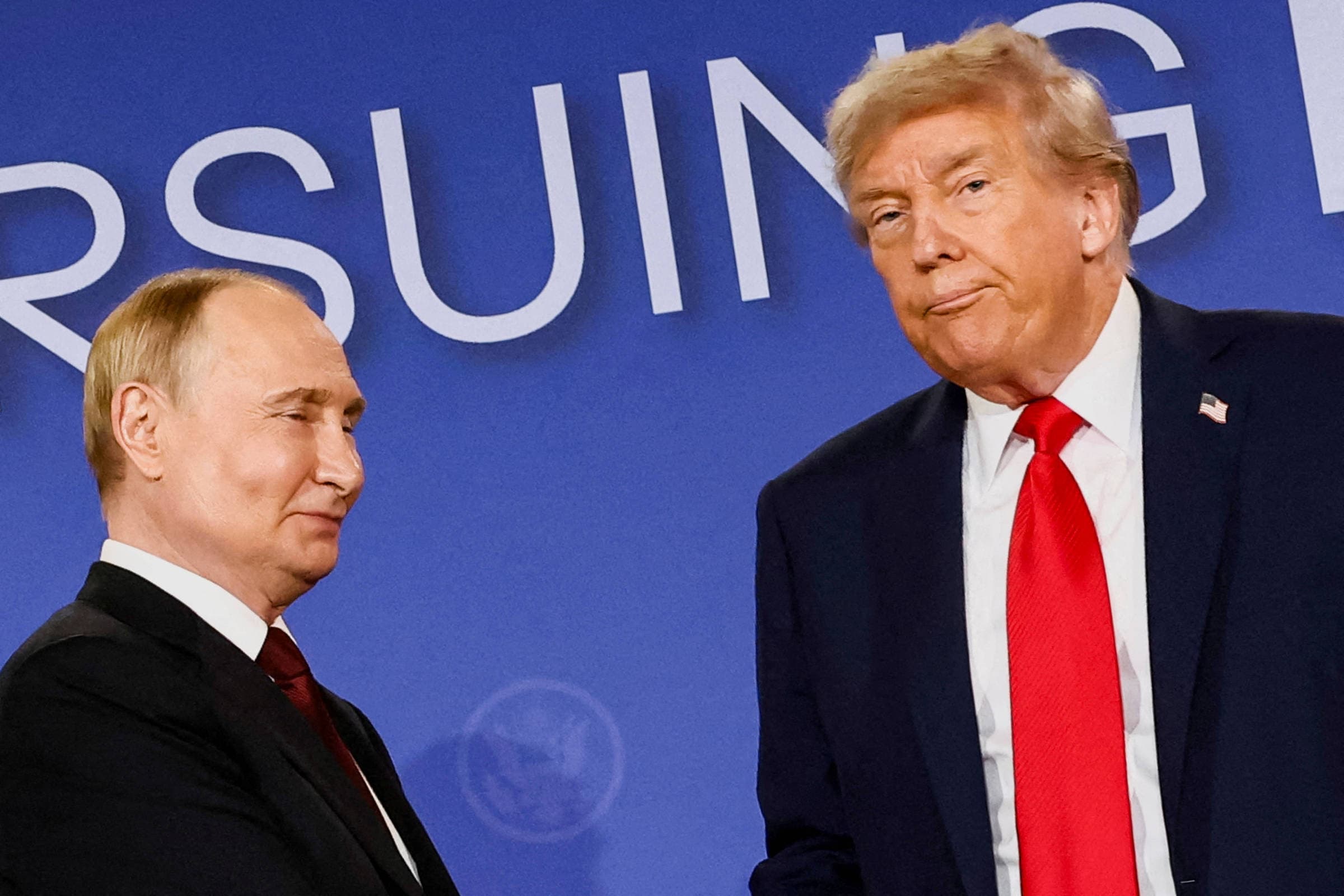
Putin seeks gains from the war in Iran, but fears Trump in Ukraine
Key Takeaways
- President Vladimir Putin seeks to expand gains from the war Donald Trump started against Iran
- President Vladimir Putin harbors strong mistrust about Donald Trump's intentions toward Russia
- Folha's assessment came from four people close to the Kremlin
Putin's immediate aims
President Vladimir Putin seeks to expand immediate gains from the turbulence resulting from the war started by Donald Trump against Iran, but he harbors strong mistrust about what the American has in store for his relationship with Russia in the wake of the new conflict.
“President Vladimir Putin seeks to expand immediate gains from the turbulence resulting from the war started by Donald Trump against Iran, but he harbors strong mistrust about what the American has in store for his relationship with Russia in the wake of the new conflict”
The assessment was collected by Folha from four people close to the Kremlin.
On Monday the 9th, Putin and Trump spent an hour on the phone, a conversation that produced good news for the Russian side.
Energy, sanctions, and diplomacy
According to Trump, the United States will ease some sanctions on oil to ensure the product's flow on the world market while the war in the Middle East causes the commodity's price to fluctuate violently.
The American cited the risk of shortages due to the possible closure of the Strait of Hormuz, through which one-fifth of the world's oil and liquefied natural gas production passes, though in practice transit is already interrupted due to military actions and Tehran's threat to attack ships.
Last week, the U.S. had already relaxed for 30 days the penalties on India's purchase of Russian oil, a fact celebrated by Putin.
On Monday, before speaking with Trump, the Russian said he was "ready to negotiate with Europe" — the continent used to import more than 20% of the oil it consumed from Moscow before the war; today it is 6%.
"So far, there is only one winner in this war, Russia," said the President of the European Council, António Costa, on Tuesday the 10th.
Ukraine negotiations and strategy
Putin sees in the new war an opportunity to permanently escape the sanctions stemming from his own conflict, the invasion of Ukraine that turned four years old two weeks ago.
“President Vladimir Putin seeks to expand immediate gains from the turbulence resulting from the war started by Donald Trump against Iran, but he harbors strong mistrust about what the American has in store for his relationship with Russia in the wake of the new conflict”
In the conversation with Trump, observers say ideas were raised for a solution in the Middle East that would also embed advantages for Moscow in the stalled peace process with Kiev.
The rounds of negotiations about the European war, which had been stalled, stopped after the new war.
On Tuesday, President Volodimir Zelenski and American negotiator Steve Witkoff said there could be new talks next week.
"The Americans now have more to worry about," Putin said last week.
Indeed, the pace of bombings against Ukraine has fallen, with President Volodimir Zelenski denouncing the preparation of a new Russian offensive, which is being planned, according to one of the people who spoke to the reporting, and is seen around Putin as a kind of insurance against the strategic fear that the attack on Iran brought to the Kremlin.
Kremlin alarm and implications
Everyone interviewed in Moscow repeats the obvious geopolitical assessment: Putin saw Trump capture one of his allies, the Venezuelan dictator Nicolás Maduro, and kill another, the supreme leader Ali Khamenei, in less than two months.
There is zero coordination within Brics, so valued in Moscow and of which Iran is a member.
The perception in the Kremlin is one of alarm, especially because Russia is powerless: it can only offer words of solidarity and position itself as an intermediary for a for-now hypothetical negotiation, which is what Putin did on Tuesday by calling his Iranian counterpart Masoud Pezeshkian.
Complaints about the so-called imperialist arrogance resurfaced on hard-line commentators' programs on Russian state TV, though aimed at the domestic audience, and in the description of Kremlin observers the Putin government is stunned by Trump's boldness and fears being next — not in the sense of being overthrown, but strategically.
The Russian obsession with the idea of encirclement, the basis for the attack on Ukraine due to NATO's eastward expansion, takes on airs of paranoia among the country's elite when two leaders of the Russo-Chinese sphere are forcefully removed from the map.
According to those interviewed, this should lead to a hardening of Putin's nuclear rhetoric; two weeks ago he said "it is impossible to defeat Russia strategically" because it commands the largest atomic arsenal in the world — he failed to note that, in such a clash, everyone loses.
Concern centers on the next steps in Ukraine.
While trying to marry the two crises in his favor, Putin is already preparing to escalate his own war.
More on Russia

U.S. Lifts Russian Oil Sanctions; Antonio Costa Says Move Fuels Putin’s War
87 sources compared
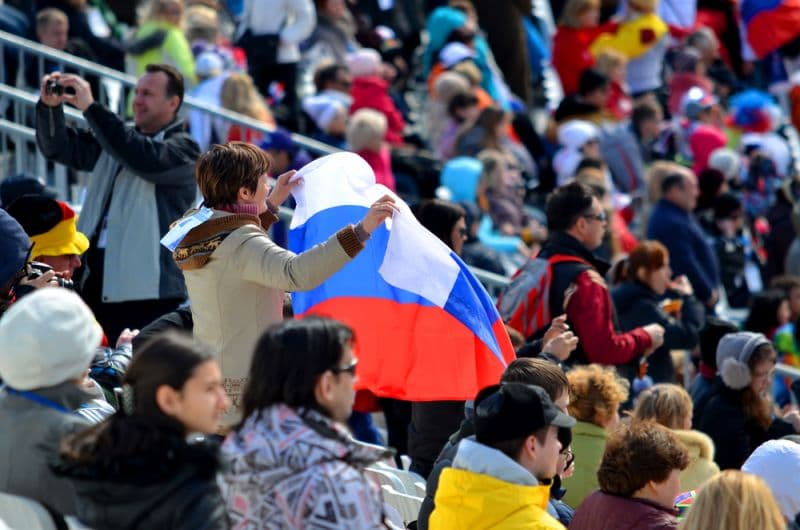
UK Government Boycotts Opening Ceremony After IPC Allows Russian, Belarusian Flags
13 sources compared
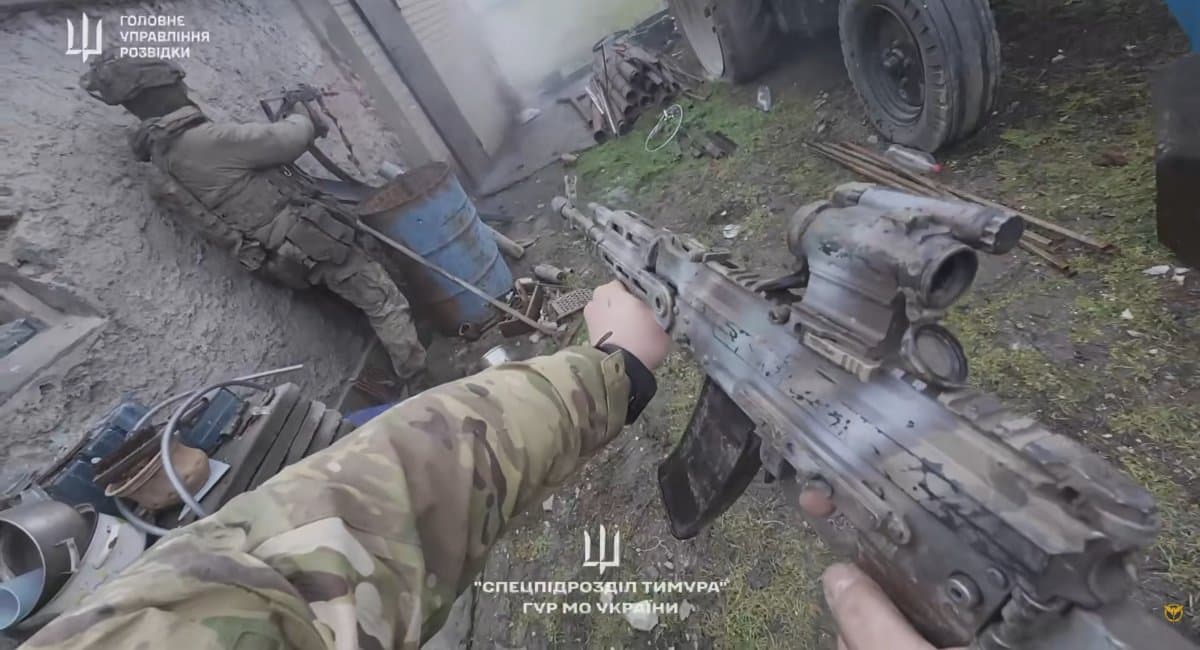
Ukrainian Forces Halt Russian Advance Toward Zaporizhzhia; HUR Claims 300 Russian Casualties
12 sources compared

Russia Kills at Least 10 in Kharkiv Apartment Missile Strike, Including Two Children
19 sources compared