Ukraine War02 December, 20253 min read
Putin Vows To Intensify Strikes On Ukrainian Ports After Drone Hits Russian-Flagged Tanker
Russian-flagged tanker Midvolga-2 hit by drone about 80 nautical miles off Turkey; crew unharmed Putin vowed to intensify strikes on Ukrainian ports and vessels after the tanker attack

20 outlets told this the same way.
Outlets did split on Russian Attack Kills At Least 33 On Two Buses In Kramatorsk →
Drone strike on tanker
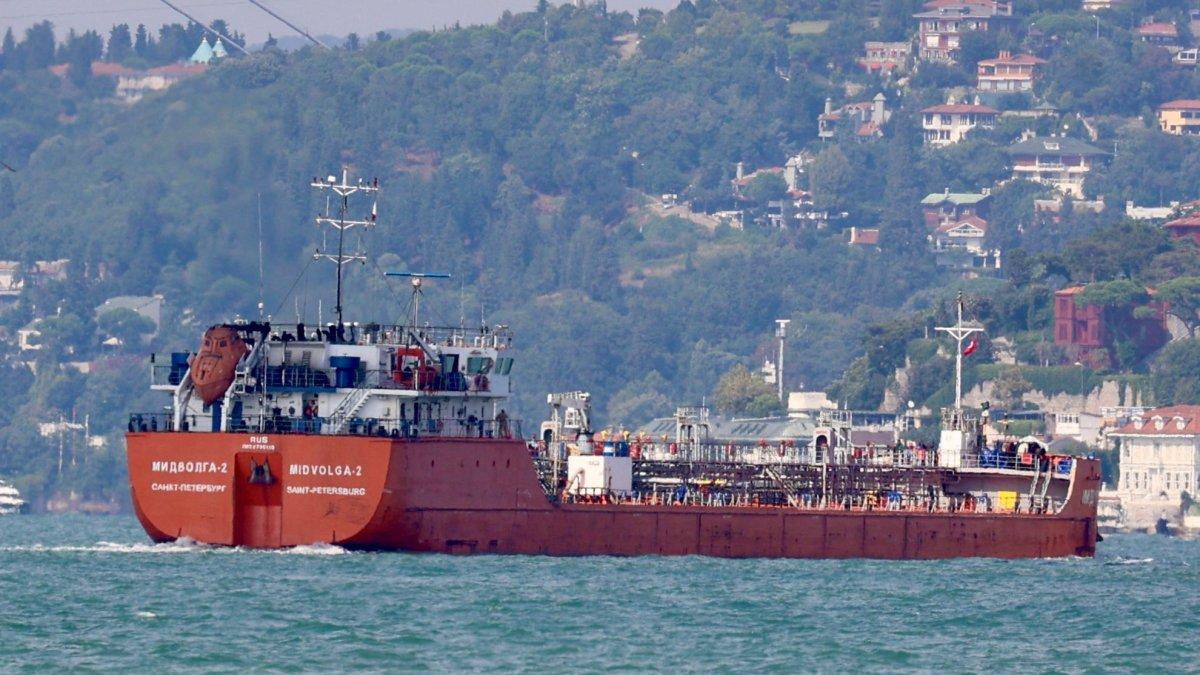
A Russian-flagged tanker, the Midvolga-2 (also written MIDVOLGA-2), was reported struck by an unmanned aerial vehicle or drone in the Black Sea while sailing near Türkiye’s northern coast. Authorities said the vessel, carrying sunflower oil to Georgia, continued under its own power toward Sinop and did not request assistance. Initial official statements emphasized the crew were unharmed.
“Russian‑flagged oil tanker Midvolga 2 was reportedly struck by an unmanned aerial vehicle about 80 nautical miles off Türkiye’s Black Sea coast—the third such drone incident near the Turkish coast in under a week.”
Türkiye Today reported the incident occurred “about 80 nautical miles off Türkiye’s Black Sea coast,” while Al Jazeera described it as “about 130 km off the Turkish coast.” Newsmax likewise noted the ship’s 13 crew "were unhurt" as it proceeded to Sinop. Several outlets described the episode as the third such targeting of Russian-linked ships in under a week, following strikes on other tankers.
Putin's maritime warning
Russian President Vladimir Putin used the Midvolga‑2 incident to reiterate a tough warning toward Kyiv and Europe. He said Moscow would escalate strikes on Ukrainian ports and vessels and could 'cut off Ukraine from the sea' if the attacks continue. He framed the remarks as a rebuke to European governments and accused Ukraine of 'begging for money'.
Türkiye Today reported Putin's comments directly and AnewZ echoed that he insisted Russia 'does not seek to fight Europe but is prepared to if Europe starts a conflict'. Several outlets placed Putin's remarks in the context of recent maritime attacks on vessels linked to Russian oil exports. Moscow condemns those attacks while Ukraine and some Western outlets frame them as strikes on a 'shadow' fleet.

Turkey's response to attacks
Turkish officials and President Recep Tayyip Erdogan publicly warned that the strikes threatened navigation and regional safety. They said Ankara had passed messages to relevant parties, including Ukrainian authorities. Ankara's tone was firm: outlets reported Erdogan called the attacks a 'worrying escalation' and 'unacceptable.'
“Turkish President Recep Tayyip Erdogan called the strikes a ‘worrying escalation,’ saying they threaten navigation, the environment and lives in Türkiye’s Black Sea exclusive economic zone and reflect how the Russia‑Ukraine conflict now endangers maritime safety.”
Turkey's maritime authorities said they notified concerned actors while the vessel continued to Sinop. Turkey's response reflects a diplomatic balancing act: it supplies military support to Kyiv but has not joined Western sanctions on Russia. It has also repeatedly pushed for maritime safety and offered to host talks.
Disputed strike reports
Outlets disagree on the strike’s damage, weapon type and who is responsible. Some reports describe a kamikaze or fixed-wing drone strike and cite Ukrainian claims that vessels linked to Russia’s "shadow fleet" were targeted. Other pieces relay Moscow’s characterization of the incidents as "terrorist attacks" and accuse Kyiv of violating Turkish sovereignty.
The Indian Express explicitly cites reports of shrapnel damage and two injured crew. Gamereactor UK and NTV suggest a kamikaze drone, while Iran Front Page reports Moscow’s strong framing of the incidents as terrorism and notes an alleged SBU/navy operation reported by Ukrainian media.
Black Sea conflict overview
Observers place the episode within a widening maritime dimension of the Russia-Ukraine war. Analysts and reports highlight a pattern of strikes on vessels tied to Russian exports. They also express concerns about navigational safety in the Black Sea.
“A recent CREA report noted 113 vessels sailed under false flags in the first nine months of the year, carrying about 11 million tonnes of Russian crude.”
Coverage emphasizes Turkey's diplomatic tightrope as a NATO member that supplies Ukraine with some military aid but has not joined sanctions on Russia. Reports note intersections with broader diplomacy, including Putin’s public warning, Kyiv’s denials and claims about targeting sanctioned shipments, and Turkey’s offers to host talks. These developments suggest the Black Sea is becoming an increasingly contested theater with economic, legal, and security implications.