Iran17 April, 20265 min read
Qatar Demands Iran Halts Attacks On Civilian Infrastructure Before Any Talks
This article is an automated aggregation of coverage from news outlets. Our editorials offer in-depth analysis curated by the NewsCord team.
Qatar demands Iran halt attacks on civilian infrastructure before any talks. No talks with Iran until its attacks stop.

Qatar sets terms
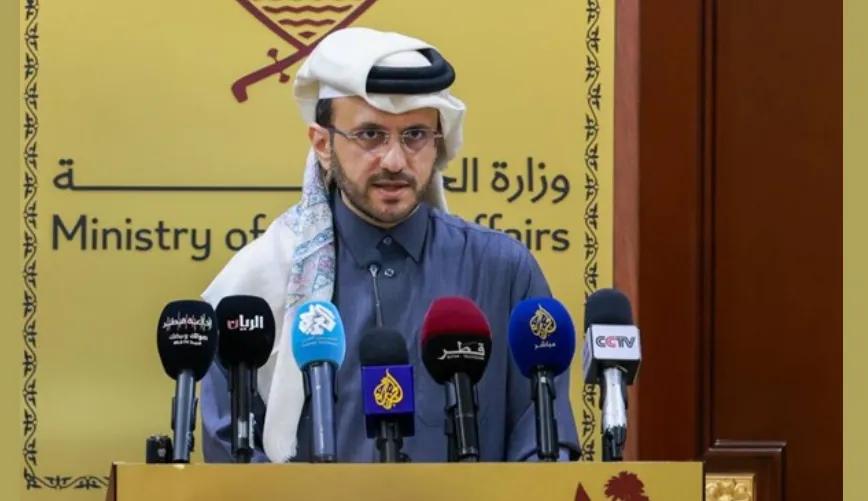
Qatar’s foreign ministry has insisted that there can be no talks with Tehran until Iran halts attacks on Qatar’s civilian infrastructure. Majed Al-Ansaari, the spokesperson for the Qatari Foreign Ministry, said at a press conference that “there can be no discussion of talks with Tehran; the attacks must be halted first.” Multiple outlets repeat the same core condition, with Al Jazeera reporting that Qatar hosted diplomatic talks aimed at putting the Iran peace process back on track, while Qatar’s own messaging to Iran is that negotiations cannot proceed while attacks continue.
“Qatar is currently receiving daily attacks from Iran, so there can be no talks with Iran; the attacks must be halted first.”
Sky News Arabia and Al-Hadath both frame the demand as a prerequisite for any dialogue, with Sky News Arabia stating “No Talks with Iran Before Halting Attacks” and Al-Hadath saying Doha “regards the ending of the attacks as a fundamental condition before entering into any dialogue.” The Qatari line also emphasizes that communications are not completely severed, with Al-Ansari saying “channels of communication with Tehran have not been cut off completely.” In the same press-conference framing, Qatar links the attacks to economic harm and regional consequences, describing attacks on energy facilities as “a dangerous precedent that will cause economic losses in the region and global repercussions.”

Daily attacks and energy
Qatar’s foreign ministry spokesperson Majid Al-Ansari repeatedly tied the refusal to negotiate to what he described as ongoing attacks on Qatar’s civilian infrastructure. In Doha, he said Qatar is “currently experiencing daily attacks from Iran,” and therefore “there can be no discussion of talks with Iran; the attacks must be stopped first.” The same message appears in the reporting from Al-Hadath, which states that “Iran continues to attack Qatar's civilian infrastructure” and that “there can be no talks with Tehran until these assaults stop.”
Al-Ansari also singled out energy facilities, calling attacks on them “a dangerous precedent that will cause economic losses in the region and global repercussions,” and he argued that the “best solution lies in stopping the attacks on our energy facilities.” The East Asian-language reporting from Al-Sharq Al-Awsat likewise quotes Al-Ansari saying, “The best solution lies in stopping attacks on our energy facilities,” while also describing the attacks on energy facilities as a dangerous precedent with economic and global repercussions. Qatar’s position is presented as both a diplomatic threshold and a security imperative, with the spokesperson saying Doha is focusing on “de-escalation and stopping the attacks.”
Apology and ongoing channels
Qatar’s foreign ministry spokesperson Majid Al-Ansari described a failed attempt to reduce tension through an Iranian presidential apology, while insisting that channels of communication remain open. In the reporting from Al Jazeera’s Arabic-language outlets, Al-Ansari said Qatar had hoped that “an apology from Iranian President Masoud Bezhikian, which did not translate on the ground, for targeting neighboring countries would open a path to addressing the tension.” He then said Qatar was “later surprised by new attacks targeting the UAE, Bahrain, and Qatar,” which “rendered the apology initiative meaningless.”
Al-Ansari’s remarks also emphasize that Doha is still maintaining communications, with the statement that “channels of communication with Tehran have not been cut off completely.” Al-Sharq Al-Awsat adds that “only one call has taken place between the prime minister, foreign minister Sheikh Mohammed bin Abdulrahman, and the Iranian foreign minister since the war began,” and it frames that as evidence that communication exists but is limited. Across these accounts, Qatar’s approach is presented as conditional diplomacy: it maintains contact, but it refuses to move to negotiations until the attacks are halted.
Defense posture and interceptions
Qatar’s statements about diplomacy are paired with detailed claims about its defensive response to attacks, including missile and drone interceptions. Al-Sharq Al-Awsat reports that the Qatari Ministry of Defense announced that “the armed forces repelled a ballistic missile attack on the country on Tuesday,” while the Interior Ministry said “the level of security threat was high and urged everyone to stay at home, not go out, and keep away from windows and exposed areas to protect public safety.” The same report says Doha disclosed that “the armed forces intercepted 17 ballistic missiles and six drones yesterday without any casualties,” and it adds that Qatar renewed “its strong condemnation of Iran's brazen attack on the State of Qatar and continuing military aggression.”
Al-Ansari also said security is stable inside Qatar and that the armed forces “have succeeded in national defense, repelling the missile and drone attacks that targeted civilian and vital facilities.” In the Al-Ansari accounts, the diplomatic message of “no talks” is therefore reinforced by a security narrative that Qatar is actively repelling attacks and urging public safety measures. Even as Qatar says it welcomes any role that helps end the war, it stresses that “an attack on Qatar, its citizens, and its facilities cannot be tolerated,” and it says leaders are working hard to stop Iranian attacks while pursuing regional de-escalation efforts.
Talks aimed at process
While Qatar’s foreign ministry sets strict conditions for talks with Tehran, Al Jazeera describes separate diplomatic activity in Doha aimed at reviving an Iran-related peace process. Al Jazeera reports that “Qatar hosts diplomatic talks aimed at putting Iran peace process back on track,” and it says Pakistan’s prime minister arrived in Doha “to carry regional diplomacy talks across the Middle East in a possibility to end the war.” The Al Jazeera item identifies “Osama Bin Javaid” as being in Doha and explaining what had been discussed, and it frames the visit as part of an effort to move the Iran peace process forward.
This contrasts with Qatar’s own stated position that there can be no talks with Iran before attacks stop, as Majed Al-Ansaari told reporters that “there can be no discussion of talks with Tehran; the attacks must be halted first.” Al-Sharq Al-Awsat adds that Qatar still believes in diplomacy and “welcomes any role that helps end the war,” but it simultaneously insists that attacks on Qatar cannot be tolerated. Together, the reporting depicts Doha as both a venue for diplomacy and a party demanding that Iran halt attacks before negotiations can proceed.