Qatari Mediators Fly to Tehran as Trump Seeks U.S.-Iran Deal, Reopen Strait of Hormuz
Key Takeaways
- Deal to end Iran war and open the Strait of Hormuz agreed.
- Agreement includes a 60-day ceasefire and a memorandum of understanding.
- Trump says the signing is scheduled for Sunday.
Mediators head to Tehran
Qatari negotiators flew to Tehran Sunday morning to help finalize a U.S.-Iran memorandum of understanding that President Donald Trump said would reopen the Strait of Hormuz and extend a 60-day ceasefire.
Trump wrote on Truth Social that Israeli strikes on Beirut “should not have happened, particularly on a special day when we are so close to a Peace Deal with Iran,” while Lebanon’s Civil Defense Ministry said three people were killed in Sunday’s strike on Beirut’s southern Dahieh suburb.

Iran’s negotiating delegation head Mohammed Bagher Ghalibaf posted on X that if America cannot stop Israel, “then talking about the process is no longer possible,” and Iran’s Foreign Ministry spokesman Esmail Baghaei said on Saturday that “it will not be tomorrow,” without giving a reason for the delay.
Fire and diplomacy were intertwined as the Israeli military said it was attacking Hezbollah targets in Dahieh in response to projectiles fired at northern Israel, and NBC News reported that Qatari mediators were in Tehran to facilitate the finalization of the agreement.
Deal terms and timing
Axios said the U.S. and Iran agreed to a framework extending their ceasefire for 60 days, with a formal signing ceremony expected Friday and nuclear talks to follow, while Pakistan’s Prime Minister Shehbaz Sharif announced Sunday that the framework would reopen the strait and launch nuclear talks after 107 days of war.
Trump authorized the toll free opening of the Strait of Hormuz and the immediate removal of the United States Naval blockade in a Truth Social post that said, “I hereby fully authorize the toll free opening of the Strait of Hormuz, and, simultaneously herewith, authorize the immediate removal of the United States Naval blockade.”

AP reported that Iran’s deputy foreign minister Kazem Gharibabadi confirmed the agreement on state television but said Iran would not start implementing it until it was signed on Friday, after over 14 hours of talks in Tehran with a representative from Qatar.
The BBC added that Iran’s foreign minister Seyed Abbas Araghchi said the agreement includes reopening the Strait of Hormuz and lifting a U.S. blockade, while talks on Iran’s nuclear programme would begin later.
What’s at stake next
The deal’s immediate promise is relief for global energy markets through reopening the Strait of Hormuz, which NBC News said was a vital waterway through which 20% of the world’s oil passed before the war, while Axios said the strait before the war handled about 20% of global oil and liquefied natural gas.
“Deal is reached to end Iran war and Trump orders stop to US naval blockade Deal is reached to end Iran war and Trump orders stop to US naval blockade ISLAMABAD (AP) — The United States and Iran have reached an agreement to end the war and open the Strait of Hormuz, offering relief to the global economy more than three months since fighting began”
But the agreement also leaves unresolved issues for a later stage, with Axios saying it leaves key nuclear issues to be negotiated over the next two months and the BBC reporting that talks on Iran’s nuclear programme would begin later.
NBC News reported that Iran’s Foreign Minister Abbas Araghchi outlined terms that seemingly differ from the U.S. interpretation, saying Tehran intends to charge a service fee for ships passing through the strait and that Iran’s “sword will remain poised over the Strait of Hormuz indefinitely.”
AP warned that the deal likely returns the region to a status that existed before the war, but with thousands of people dead and Iran wielding a new source of negotiating pressure through its ability to influence shipping in the strait.
More on Iran

Trump Announces US-Iran Peace Deal, Reopens Strait of Hormuz and Removes Naval Blockade
35 sources compared
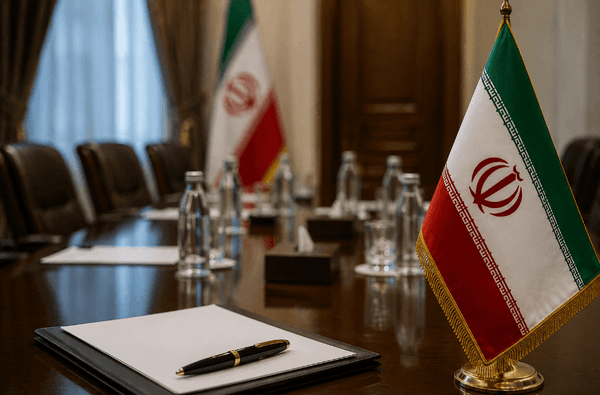
Donald Trump Announces US-Iran Ceasefire, Orders Removal of Naval Blockade, Strait of Hormuz Reopens
29 sources compared
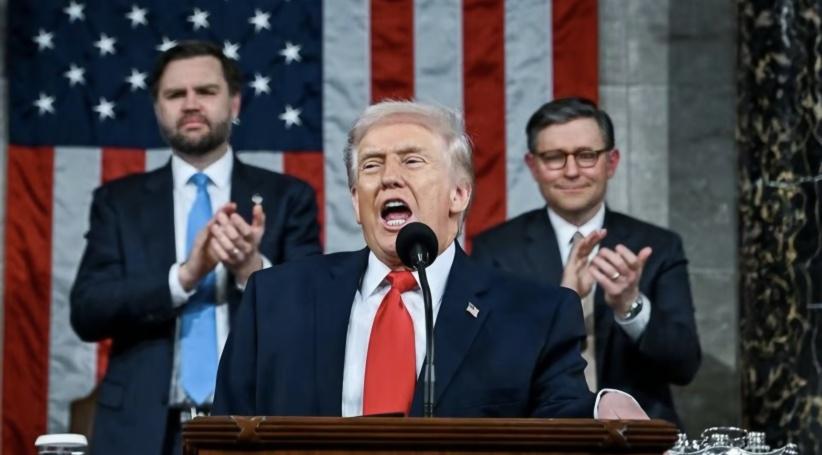
Trump Says US-Iran Peace Deal Complete, Orders Removal of Naval Blockade
11 sources compared

Donald Trump Orders Stop Of U.S. Naval Blockade As Iran Deal Opens Strait Of Hormuz
13 sources compared