Full Analysis Summary
Quartet Sudan peace plan
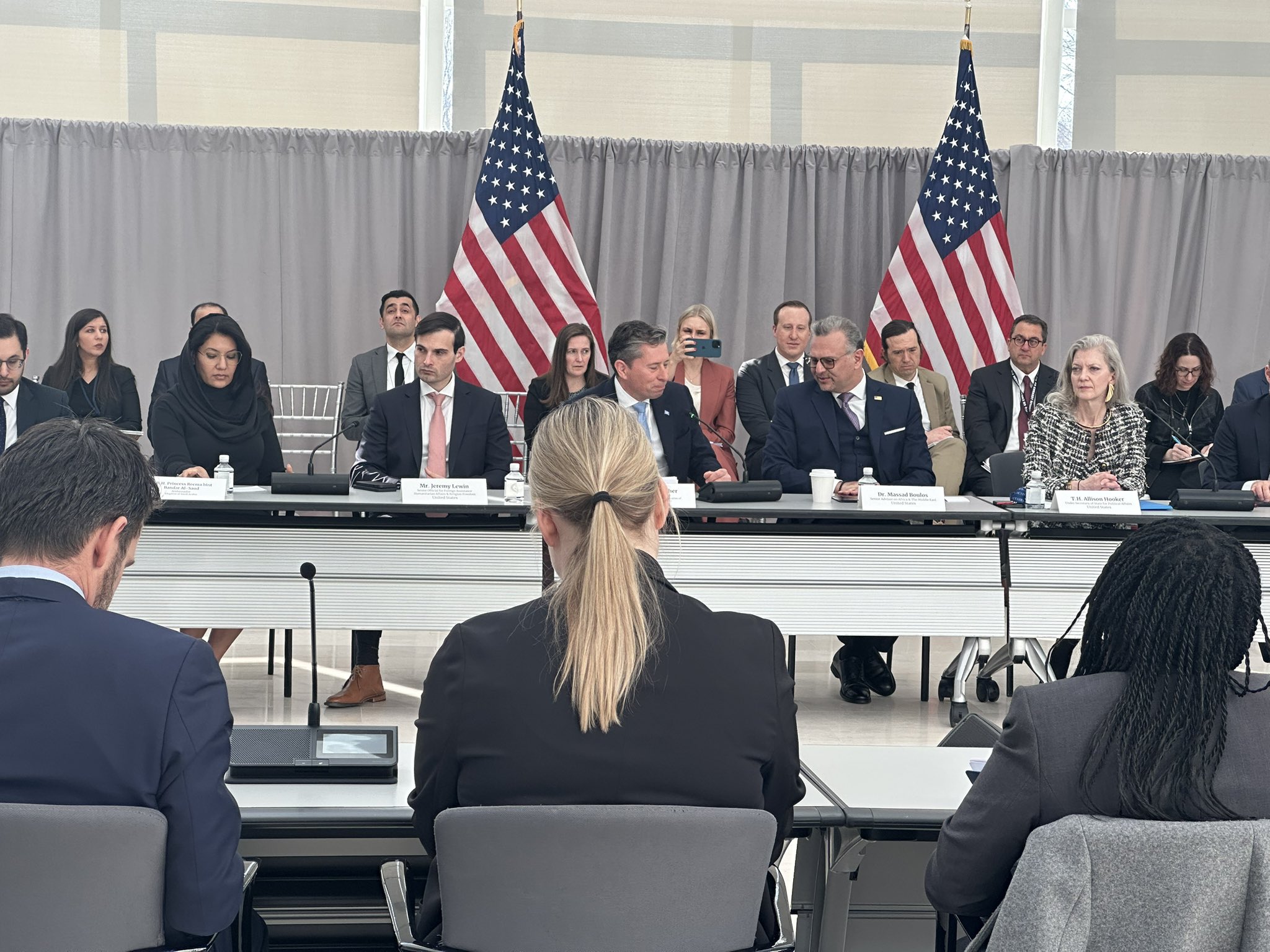
The Quartet, described as international mediators, has agreed on a comprehensive peace plan for Sudan, which US presidential adviser Musaad Boulos announced at a Washington humanitarian conference.
The Quartet intends to submit the plan to the UN Security Council after formal adoption by both the Quartet and the conflict parties.
The plan reportedly bundles humanitarian measures to protect civilians and enable their safe return.
It also calls for a permanent ceasefire and a UN-backed mechanism for withdrawing fighters from some areas to allow aid access.
Quartet officials expressed hope for a near-term humanitarian truce.
The proposal is being presented as an official diplomatic step meant to escalate the plan to the UN for broader backing and possible enforcement.
Coverage Differences
Tone and emphasis
Both sources report the same core facts — that the Quartet agreed a plan and will take it to the UN — but Dabanga Radio TV Online frames Musaad Boulos’s announcement and the Quartet agreement more tersely, while allAfrica provides broader context about the plan’s contents and explicitly lists five pillars and political aims such as forming a civilian post-war government. The allAfrica piece emphasizes details of the roadmap (five pillars) and criticisms about exclusion of civil society, whereas Dabanga focuses on the announcement and immediate aims (truce, withdrawal mechanism). Both sources report quotes or claims by officials (they 'announce' or 'said'), rather than asserting the plan as already implemented.
Humanitarian Security Roadmap
Both sources say the plan includes specific humanitarian and security measures, including safe aid corridors and mechanisms for lifting sieges and enabling withdrawals.
The plan also outlines steps to protect and permit the UN-supervised return of displaced civilians and expresses hopes for a permanent ceasefire.
Dabanga highlights Boulos’s hope that a humanitarian truce could be reached in the coming weeks and mentions a UN mechanism for withdrawing fighters to allow aid access.
allAfrica repeats those elements and expands them into a structured five‑pillar roadmap that links immediate relief with a political process and international reconstruction.
Together, the reporting presents the plan as both immediate humanitarian relief and part of a longer political transition strategy.
Coverage Differences
Level of detail / Narrative scope
Dabanga emphasizes immediate humanitarian measures and Boulos’s expectation for a near-term truce and the UN withdrawal mechanism, whereas allAfrica supplies more granular structure — listing five pillars that bind immediate relief to a political roadmap (civilian post-war government) and reconstruction funding. Thus Dabanga presents the announcement and core measures; allAfrica situates those measures within a broader political architecture and critiques.
Quartet plan for Sudan
Analysts and local actors cited in the reporting express cautious optimism but warn of serious obstacles.
Dr. Suleiman Baldo of the Sudanese Observatory for Transparency and Policy called the Quartet plan 'the first serious attempt to halt fighting'.
He indicated there is a preliminary, indirectly agreed framework with army and Rapid Support Forces (RSF) representatives and that leaders may sign before UN referral.
He also warned the plan faces pressure from factions favoring military solutions and potential strains with the Islamic movement.
Both outlets relay Baldo's assessment and concerns about outside interventions, drones, and increased civilian harm.
They frame the plan as significant but vulnerable to spoilers and political resistance on the ground.
Coverage Differences
Attribution and emphasis on local criticism
Both sources quote Dr. Suleiman Baldo, but allAfrica adds more of Baldo’s critical points — including worries about drones, outside interventions, and explicit criticism that the roadmap excludes civil society on the ground — whereas Dabanga reports Baldo’s cautious appraisal and warnings about factions and Islamist movement friction without the full list of criticisms found in allAfrica. allAfrica therefore supplies a broader inventory of risks and local objections.
Framing of Quartet plan
allAfrica explicitly frames the Quartet roadmap as extending beyond immediate humanitarian relief into a political process to 'form a civilian post‑war government excluding military dominance' and to mobilize reconstruction funding through an international conference.
Dabanga focuses more narrowly on the announcement, the truce expectation, and the technical withdrawal mechanism.
The distinction shows a difference in narrative scope: allAfrica situates the plan within a transition and governance agenda, while Dabanga centers on the diplomatic step and humanitarian mechanics.
Coverage Differences
Narrative scope / Political framing
allAfrica attributes a clear political ambition to the plan (a post-war civilian government and reconstruction financing) and lists a five-pillar structure; Dabanga reports primarily the Quartet’s agreement and humanitarian truce hopes, with less emphasis on the political transition and reconstruction elements. The sources are thus consistent on the announcement but diverge on how prominently they present the plan’s political architecture and critiques.
Quartet plan reporting summary
Taken together, the reporting portrays the Quartet plan as a significant diplomatic initiative with humanitarian and political components and with uncertainty about implementation.
Both sources say the plan will go to the UN Security Council after Quartet and party adoption.
Both cite Boulos’s hopes for a near-term truce and convey Baldo’s cautious approval along with a warning about potential spoilers.
AllAfrica supplies more detail on the plan’s pillars and the exclusion of local civil society.
Dabanga concentrates on the announcement and the immediate mechanics.
The coverage therefore converges on the plan’s existence and next steps while diverging on the depth of political framing and the recording of local civil-society critiques.
Coverage Differences
Convergence on core facts, divergence on detail and local criticism
Both sources report the core elements and next steps (UN submission, Boulos’s announcement, hope for truce, Baldo’s comments). allAfrica adds a fuller exposition of the five pillars and explicit critique about civil-society exclusion; Dabanga focuses on the announcement and immediate humanitarian architecture. These differences reflect editorial choices about depth and local accountability reporting.