Full Analysis Summary
Royal Consent in UK Legislation
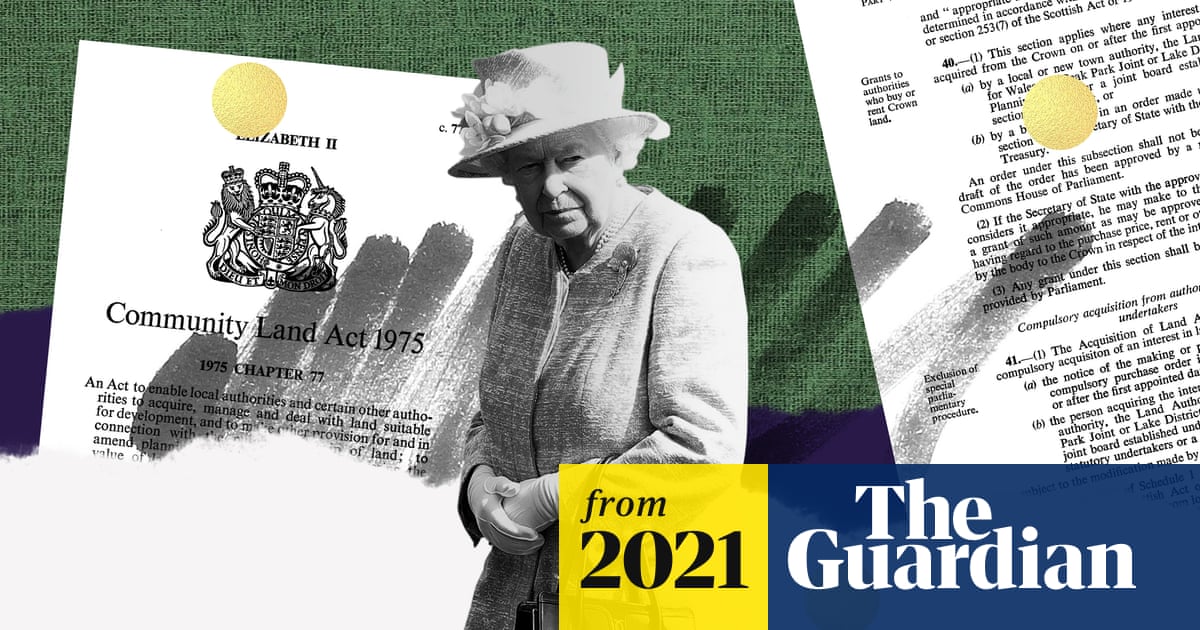
The Guardian reports that more than 1,000 UK bills were subjected to the secretive Queen’s consent process before Parliament could debate them.
Ministers are required to seek permission from the monarch—Queen Elizabeth II previously, and now King Charles—when legislation touches the royal prerogative or the monarch’s personal and crown assets, including private estates like Balmoral and Sandringham.
Unlike royal assent, which occurs at the end, Queen’s consent happens beforehand and could effectively block a bill if withheld.
The Guardian’s investigation, based on a database of 1,062 bills and National Archives documents, characterizes this royal involvement as opaque and more extensive than previously known.
National Post, citing The Guardian, adds that the government specifically exempted the Queen from a 2006 animal welfare law, preventing inspectors from entering her estates.
The scope is framed as “more than 1,000 UK laws” secretly reviewed before approval.
Coverage Differences
tone
The Guardian (Western Mainstream) uses an investigative, systemic framing, calling the procedure “secretive,” “opaque,” and “far more extensive and influential than previously known,” and details how it could block bills if withheld. National Post (Western Mainstream) summarizes The Guardian’s findings with sharper, concrete examples—such as the 2006 animal welfare law exemption and the phrase “secretly reviewed”—but offers less procedural nuance.
missed information
The Guardian (Western Mainstream) explains the constitutional mechanism (Queen’s consent vs royal assent), scope (1,062 bills), affected domains, and claims from the royal household about convention and government advice. National Post (Western Mainstream) highlights the animal welfare exemption and the “secretly reviewed” characterization, but does not relay the royal household’s position or the precise constitutional distinction in the snippet provided.
Royal Consent on Legislation
The Guardian explains that ministers must notify the monarch and seek consent before Parliament debates any bill affecting the royal prerogative or personal crown assets.
This includes private estates such as Balmoral and Sandringham.
The Guardian differentiates this process from royal assent and emphasizes that withholding consent—based on government advice, according to the royal household—can prevent a bill from being debated.
The National Post summarizes this by stating that the Queen and Prince Charles "secretly reviewed" more than 1,000 laws.
It also highlights a specific example from 2006, when an animal welfare law included an exemption that barred inspectors from royal estates.
Coverage Differences
narrative
The Guardian (Western Mainstream) emphasizes process and constitutional structure—who must seek consent, when it occurs, what assets trigger it—while also including the royal household’s defense that the practice follows government advice and convention. National Post (Western Mainstream) foregrounds the impact and secrecy (“secretly reviewed”) and a tangible policy consequence (the 2006 animal welfare exemption), but does not present the royal household’s defense in the snippet.
tone
The Guardian (Western Mainstream) uses measured but critical language—“secretive procedure,” “opaque nature,” and the capacity to “effectively block a bill”—while National Post (Western Mainstream) uses more direct phrasing such as “secretly reviewed” and highlights a specific exemption outcome, giving the story a sharper edge without the same procedural context.
Royal Influence on Legislation
The Guardian’s investigation indicates that the process shaped legislation across diverse domains—from Brexit trade deals to inheritance, land policy, and even car parking rules—and sometimes involved lobbying by the monarch to alter or shield provisions.
It reports that the Queen used the process to seek changes to a 1970s transparency law to protect her private wealth, and to obtain exemptions or policy shifts regarding her estates and historic sites.
National Post underscores one such concrete exemption: the 2006 animal welfare law that blocked inspectors from entering royal estates, illustrating how consent-related interventions translated into real-world regulatory carve-outs.
Coverage Differences
missed information
The Guardian (Western Mainstream) catalogues the breadth of affected policy areas and details lobbying to alter a 1970s transparency law, as well as seeking exemptions tied to estates and historic sites. National Post (Western Mainstream) highlights the animal welfare exemption but, in the provided snippet, does not mention the 1970s transparency law or the broader policy spread such as Brexit trade deals and car parking rules.
narrative
The Guardian (Western Mainstream) frames the pattern as systemic influence—documented through a database and archives—where consent shaped bills across multiple domains. National Post (Western Mainstream) provides a specific exemplar of that influence (2006 animal welfare exemption) and reiterates the overall scale (“more than 1,000” laws), offering a pointillist rather than procedural narrative in the snippet.
Royal Consent and Transparency
Both sources convey that the royal household defends the Queen’s consent as a long-standing constitutional convention.
They state that consent has only been withheld on government advice.
The Guardian simultaneously stresses how secretive and influential the process is in practice.
It highlights that the opacity of the process impedes public scrutiny.
The National Post emphasizes that laws are 'secretly reviewed' and points to an animal welfare exemption.
This underscores public-interest concerns over accountability and access, particularly to royal estates.
However, the National Post does not delve into the constitutional defense in the provided snippet.
Coverage Differences
contradiction
There is no explicit contradiction between sources on the existence or scale of Queen’s consent; differences arise in emphasis. The Guardian (Western Mainstream) reports the royal household’s defense alongside critical findings on opacity and influence, while National Post (Western Mainstream) focuses on the secrecy framing and concrete exemption outcomes without the royal household’s defense in the snippet.