Britain31 December, 20252 min read
Queen Camilla Reveals She Fought Off Man Who Assaulted Her on Train as Teen
Fought off an attempted sexual assault on a train when she was a teenager. Publicly recounted the attack for the first time on BBC Radio 4's Today programme.

10 outlets told this the same way.
Outlets did split on UK Police Charge Teddy Young With Spying For Foreign Power, Royal Navy Member →
Camilla's assault disclosure
Queen Camilla publicly revealed on BBC Radio 4's Today programme that, as a teenager, she was attacked on a train and fought back. Multiple outlets report she was alone and did not know her assailant, that the incident happened when she was about 16 or 17, and that the memory "lurked for many years." Her disclosure is described as a first-time public recounting of the episode and was framed within a broader conversation about violence against women on the programme.
Reported train incident details
Multiple sources, citing a royal biography and radio remarks, provide specific details about the episode. The incident reportedly occurred on a train to Paddington when she was about 16 or 17. She allegedly struck the attacker, with one account saying she hit him in the groin with her shoe.
Her mother later noticed her hair standing on end and a missing coat button. The book Power and the Palace is cited by several outlets as having previously recounted parts of the incident, and some reports say the assailant was arrested at the time.
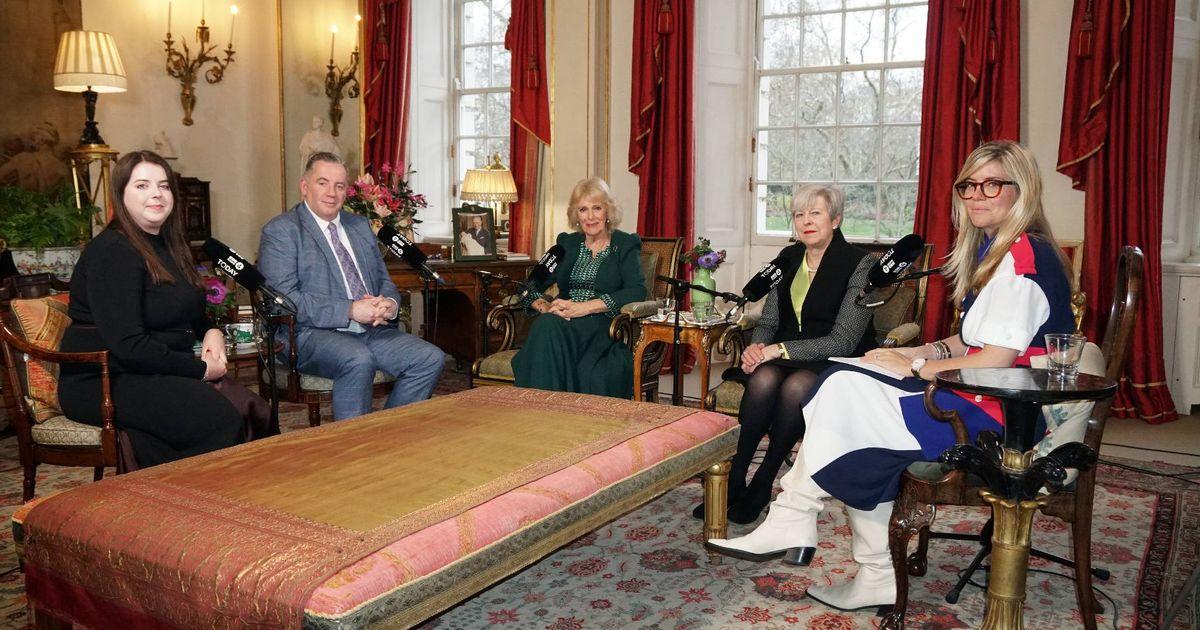
Camilla on violence against women
Camilla said the recent on-air discussion about violence against women prompted her to speak out. The discussion included BBC racing commentator John Hunt and his daughter Amy speaking about the family’s tragedy.
“Camilla has long supported charities tackling sexual and domestic violence.”
Some outlets report the palace hoped publicising the story could help destigmatize sexual violence. Multiple pieces frame her remarks as consistent with her long-standing support for charities tackling domestic and sexual abuse.
Media coverage differences
Coverage varies by outlet type. Western mainstream outlets such as Marie Claire, Washington Post, and RNZ present the revelation within discussions of violence against women and emphasize advocacy and contextual background. The Western tabloid Daily Mail provides more narrative detail and connects the account to the Hunts' murders and the attacker's later conviction.
Western alternative Page Six highlights the personal disclosure and earlier private confiding, reporting that she told Boris Johnson. Local and other outlets like Cambridge News and The Daily Jagran focus on specific incident details such as location, age, and the physical actions she took. These differences reflect variations in tone (advocacy versus sensational detail), scope (contextual framing versus incident specifics), and sourcing (direct radio remarks versus the royal biography Power and the Palace).
Media reporting on Camilla
Some factual points are consistent across outlets, while others are unevenly reported: most accounts agree she fought back, that the episode haunted her, and that she chose to speak now in the context of a programme about violence against women. Specifics such as the attacker's arrest, the exact method she used to fight back, whether she had previously confided in figures like Boris Johnson, and how much the palace guided the publicity differ between reports or are attributed to the royal biography rather than Camilla's on-air remarks. Because the articles draw from both the BBC interview and Valentine Low's book, readers should note which outlets are reporting Camilla's direct words and which are relying on the biography for added detail.