Britain26 November, 20253 min read
Rachel Reeves Admits Working People Will Pay More, Denies Breaching Labour Manifesto
This article is an automated aggregation of coverage from news outlets. Our editorials offer in-depth analysis curated by the NewsCord team.
Income tax and National Insurance thresholds frozen until 2030/31. Budget's tax changes will raise about £26–30bn, increasing households' tax burdens.
20 outlets told this the same way.
Outlets did split on UK Police Charge Teddy Young With Spying For Foreign Power, Royal Navy Member →
Budget tax freeze impact
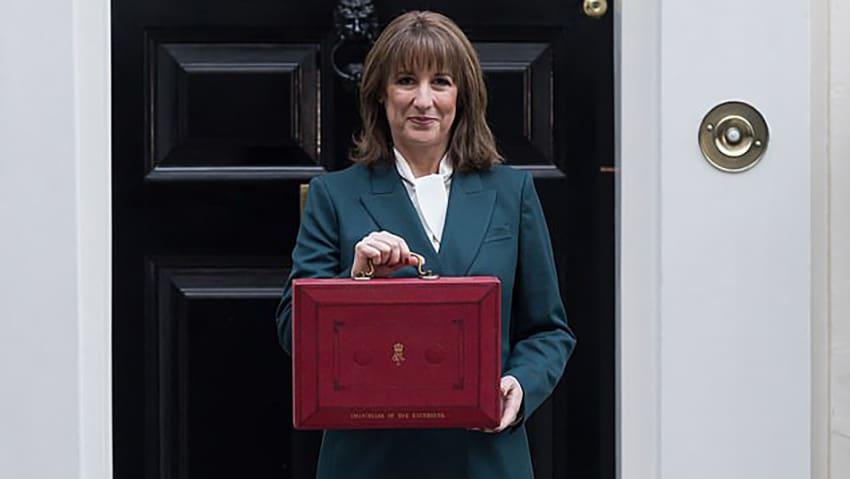
Chancellor Rachel Reeves's budget acknowledges that working people will effectively pay more due to a freeze on income tax thresholds and other base-broadening measures, which officials and the OBR say will produce so-called fiscal drag. Coverage across outlets notes Reeves framed the moves as "fair and necessary" choices to plug a "black hole" in public finances while avoiding headline rate rises, describing the package as a mix of anti-poverty measures and revenue-raising changes. Reports emphasise the freeze to 2031 (or 2030-31 in some accounts) and link it to increased tax receipts rather than explicit rises in rates.
“Chancellor Rachel Reeves’s new Labour budget mixes anti-poverty measures with tax changes that critics say effectively raise taxes on working people.”
UK tax threshold freeze
The technical details are widely reported: thresholds are being frozen at roughly the same nominal levels for a multi‑year period. Different outlets cite slightly different end‑dates and figures. The BBC, Wales Online and the Daily Mail set out the personal allowance and band thresholds.
They report the personal allowance as £12,570 or £12,750 in different reports, the higher‑rate threshold around £50,270/£50,271, and the additional rate at £125,140. These outlets say the freeze will push hundreds of thousands more taxpayers into higher tax bands. Estimates from the OBR and others put the yield at roughly £7.6–8 billion a year and suggest hundreds of thousands or more newly liable taxpayers.

Political reactions and context
Political reaction is mixed and varies by outlet type. Opposition and Conservative voices criticise the move as breaking pledges and amounting to a stealthier tax rise. Analysts and some business-oriented outlets stress the market and fiscal-stability rationale.
“Conservatives, including leader Kemi Badenoch, say this breaks pledges and amounts to a tax rise.”
Several sources note this represents a U-turn from Reeves's earlier rhetoric about such freezes. Some tabloids quantify the hit to typical workers. Explicit quotes in these snippets of Reeves flatly denying a manifesto breach are not present, so whether she used the exact phrasing 'not breaching the Labour manifesto' cannot be confirmed from the provided texts.
Distributional impact of freeze
The distributional impact is a frequent focus: several sources warn that minimum-wage and lower-paid workers, as well as pensioners, could be pushed into tax liability by the freeze and upratings. Upday News and Wales Online cite OBR projections of hundreds of thousands more basic- and higher-rate taxpayers, while The Mirror and The Sun highlight the interaction with the state pension triple lock and minimum wage rises that could bring more pensioners and low-paid workers above the personal allowance. Financial and market-angle outlets add that the package aims to reassure markets and reduce borrowing costs even as it raises funds.
Media coverage of budget
Coverage differs by geography and outlet type, with Gulf News (West Asian) highlighting the budget’s implications for expats and savers abroad. ts2.tech and MoneyWeek (Other/finance) underline market reactions and technical measures such as dividend and capital gains rate changes. Tabloids and local titles foreground pocket-level impacts and political rows.
“Britain’s new budget, which raises taxes by about £26 billion, is drawing attention from UAE-based British expats because many measures hit UK residents while leaving most overseas nationals largely unaffected.”
Taken together, the snippets show broad agreement on the mechanics (threshold freezes, some targeted levies) but variation in emphasis—whether on manifesto questions, human impact, market stability or effects on expatriates. One clear limitation is that the supplied extracts do not include an explicit, verbatim quote from Reeves stating she ‘does not breach the Labour manifesto’, so that specific denial is not corroborated here.