Britain26 November, 20253 min read
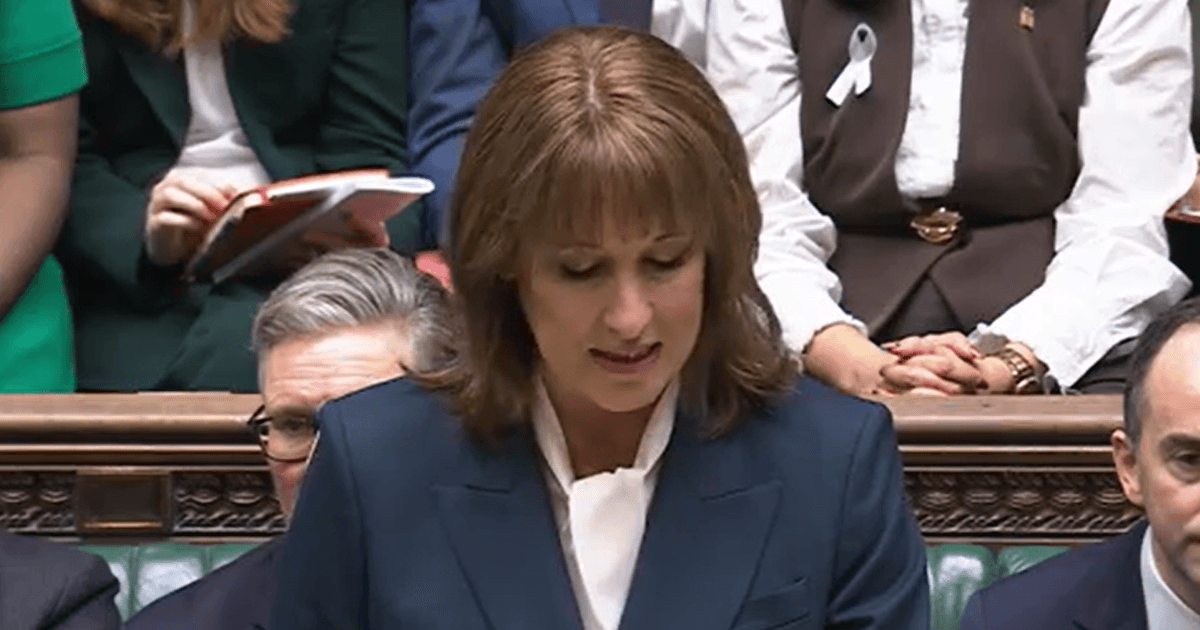
Rachel Reeves Raises Taxes by £26 Billion in 2025 Autumn Budget
Budget raises taxes by £26 billion a year by 2029–30 Income tax thresholds frozen until April 2031, extending the freeze three years
16 outlets told this the same way.
Outlets did split on UK Police Charge Teddy Young With Spying For Foreign Power, Royal Navy Member →
2025 Autumn Budget summary
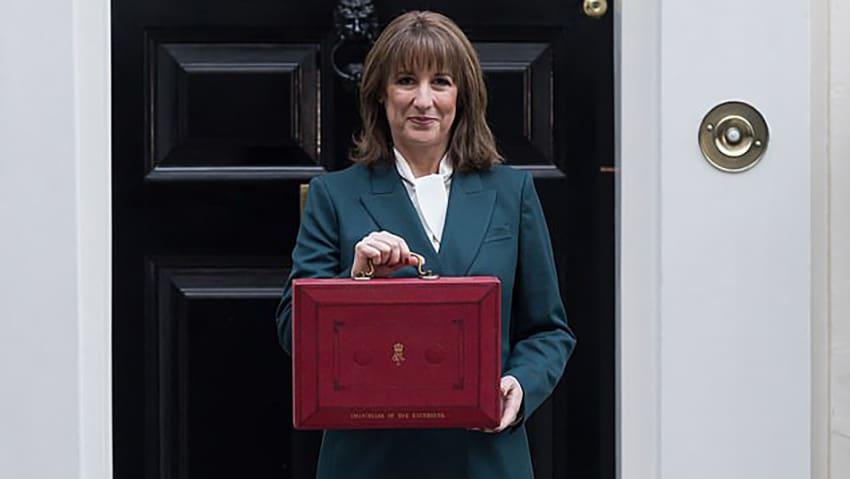
Chancellor Rachel Reeves’s 2025 Autumn Budget is billed by the Office for Budget Responsibility and multiple outlets as a package that will raise roughly £26 billion a year by 2029–30 through a mix of frozen thresholds, new surcharges and targeted levies. Coverage consistently cites the OBR estimate of about £26bn in extra taxes and notes an accidental early publication of the OBR forecast shortly before Reeves’s Commons speech.
“Rachel Reeves has presented the 2025 Autumn Budget, which the Office for Budget Responsibility estimates will raise about £26 billion in extra taxes.”
Major headline measures reported across sources include a freeze on income-tax and National Insurance thresholds, higher rates on dividends, property and savings, a new high-value council-tax surcharge (a de facto mansion tax) and curbs on salary-sacrifice pension reliefs. The package is presented by the government as balancing revenue-raising with protective measures for the most vulnerable, while opponents and market-watchers warn it broadens the tax base and risks fiscal drag and political fallout.

Income-tax threshold freeze
A central instrument of revenue-raising in the Budget is the continued freeze of income-tax and National Insurance thresholds. Reporting varies slightly on timing, with some outlets saying the freeze runs until 2031 and others describing it as extended three years to 2030-31. Multiple sources agree the freeze will drive fiscal drag and push large numbers of people into higher tax bands over the decade.
The Office for Budget Responsibility and several reports cite figures ranging from hundreds of thousands to millions affected. Some projections estimate around 780,000 more basic-rate taxpayers and broader tallies running into the millions over the 2020s, making the threshold freeze one of the Budget's most politically sensitive elements.
Wealth, savings and pensions
The Budget targets wealth, savings and pensions. Several outlets report a new annual surcharge on properties worth over £2m. There are increases of two percentage points on dividend, rental and savings income.
“Chancellor Rachel Reeves capped the National Insurance relief for salary-sacrifice pension contributions at £2,000 a year, a change expected to raise up to £2 billion annually.”
The Budget includes cuts to cash-ISA allowances. It also caps the National Insurance relief for salary-sacrifice pension contributions at £2,000 a year.
Sources link these moves to raising billions, with the pension cap estimated to raise up to about £2bn annually and other measures forming part of a roughly £26bn total. Commentators warn the changes could materially reduce long-term pension savings and squeeze landlords, savers and mobile households.
Welfare and budget changes
The Budget includes measures intended to reduce child poverty and ease cost-of-living pressures while offsetting some tax effects. Several reports say the government will reverse the two-child benefit cap, with the Coventry Observer and UK News in Pictures providing costings and timing. The government is also reported to be abolishing the so-called 'rape clause' exemption immediately, according to NDTV Profit.
Benefits and some payments, including the minimum wage and the state pension, are to be uprated. Supporters present these spending moves as meaningful poverty relief, but critics argue the revenue measures would still leave many working families worse off.
Political and market reactions
Political and market reaction was immediate and mixed. Coverage records an OBR leak minutes before the speech, a sharp online backlash under #ReevesRaid and pointed Conservative attacks accusing Labour of stealth tax‑raising. Poll snapshots cited in some reports suggest short-term electoral pain.
“The Office for Budget Responsibility leaked a 197‑page forecast about 30 minutes before Reeves’s Commons speech.”
Market commentary varies: MoneyWeek says markets reacted positively, and ts2.tech and Gulf News record swings in bonds and sterling as investors processed tighter fiscal settings. UK News in Pictures notes government bond yields fell slightly after the leak. The leak itself generated criticism from opposition figures who suggested the timing may have been intended to soften market reaction.
