Asia19 November, 20252 min read
Raging Blaze Destroys 170 Buildings in Oita, Japan, Kills One
Fire destroyed or damaged at least 170 buildings in Oita's Saganoseki district Fire killed one person
11 outlets told this the same way.
Outlets did split on Avalanche Strikes Himlung Himal Base Camp In Nepal, At Least 10 Missing →
Oita City residential fire
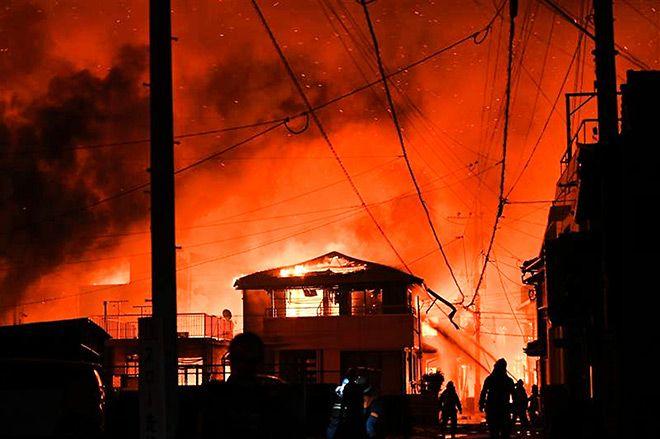
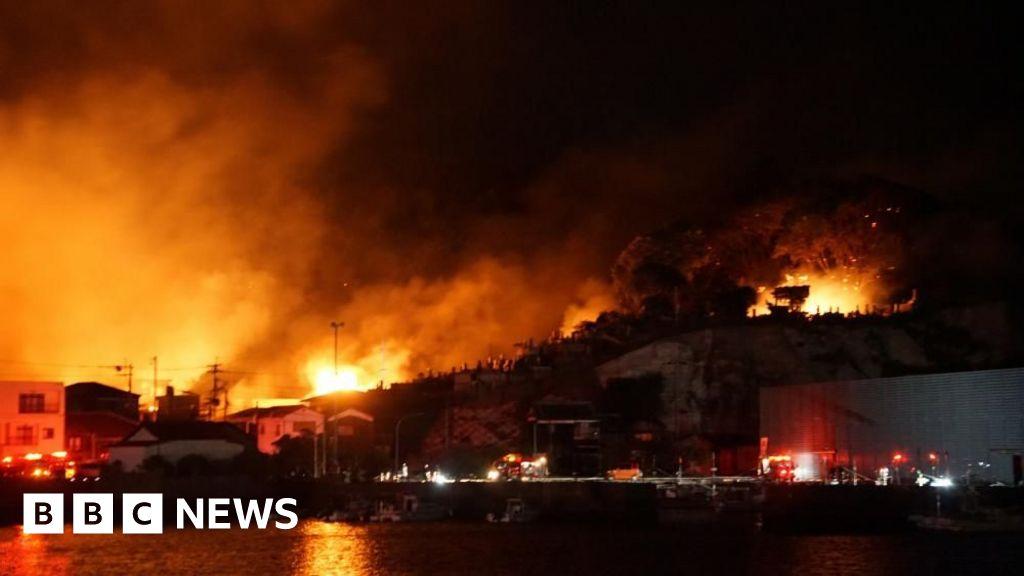
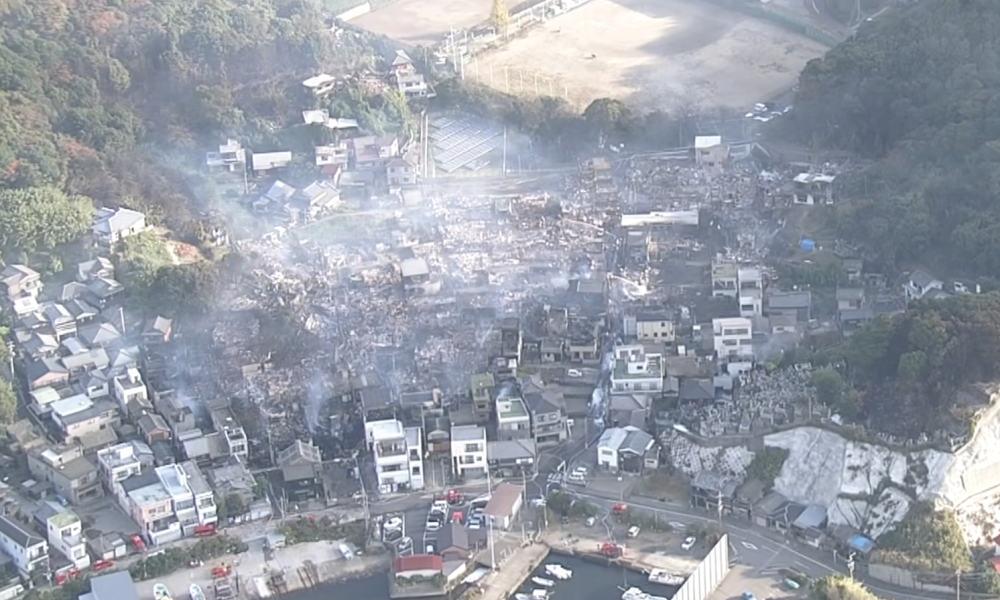
A fast-moving, large fire tore through the Saganoseki residential district of Oita City on Kyushu, Japan, beginning Tuesday evening and continuing into the next day. Multiple outlets report roughly 170 buildings were damaged or destroyed as firefighters battled flames that spread into nearby forested slopes; officials warned full extinguishing could take days.
“A major fire swept through a residential area of Oita City on Kyushu, Japan, late Tuesday, damaging about 170 buildings and forcing 188 people to evacuate.”
Authorities confirmed at least one death after police searching for a missing 76-year-old man found a body. Evacuees sheltered in community centers and makeshift evacuation halls as footage showed towering flames and smoke.
Varying damage and evacuation figures
Several outlets specify the burned area at roughly 48,900 square metres (about seven soccer fields) and report building losses above 170. One outlet reported a far smaller initial count of at least 20 buildings.
Evacuation and power-outage figures also vary across sources, with reports citing roughly 170–188 evacuees or about 175 residents and noting roughly 300 households lost power. These differences reflect early reporting and varying counts from local officials, police sources and on-the-ground broadcasters.
Incident casualty summary
Reports consistently state one person died, though details differ across outlets. The Peninsula Qatar and Devdiscourse say police searching for a missing 76-year-old man found a body and confirmed one death. The Asahi Shimbun adds that an officer found a person in cardiopulmonary arrest and a doctor confirmed the death at 12:38 p.m., with the deceased's gender not yet known.
“One death was confirmed after police searching for a missing 76‑year‑old man found a body at his home.”
Several outlets note at least one injury, reporting a woman in her 50s was treated for mild burns or minor airway injuries. Earlier updates had described the man in his 70s as unaccounted for before authorities confirmed the death.
Wildfire response and impacts
Emergency response combined local fire crews, prefectural support and aerial assets. Multiple sources report military and firefighting helicopters were deployed as winds drove flames up forested slopes and even to nearby uninhabited islands. Mountainous terrain and strong winds hindered suppression efforts.
Officials said closely built wooden houses and dry conditions contributed to the rapid spread. Authorities invoked disaster relief laws to assist evacuees.

A prefectural task force was formed. Prime Minister Sanae Takaichi pledged government support as investigations into the cause continue.
Coverage of Japan urban fire
Several outlets frame the blaze as one of Japan’s biggest non-earthquake urban fires in decades and stress long-term recovery needs. Devdiscourse and The Independent explicitly compare the incident to the 1976 Sakata fire, calling it Japan’s largest non-earthquake urban fire since then.
“Officials said it is the largest urban fire in Japan since a 1976 blaze in Sakata (excluding earthquake-related incidents).”
Modern Diplomacy stresses recovery work, including rebuilding homes, restoring infrastructure, and reviewing emergency-response and fire-prevention measures, along with national pledges of support. Some outlets, such as the BBC, offer short updates focusing on the confirmed fatality and ongoing investigation without broader historical context.
