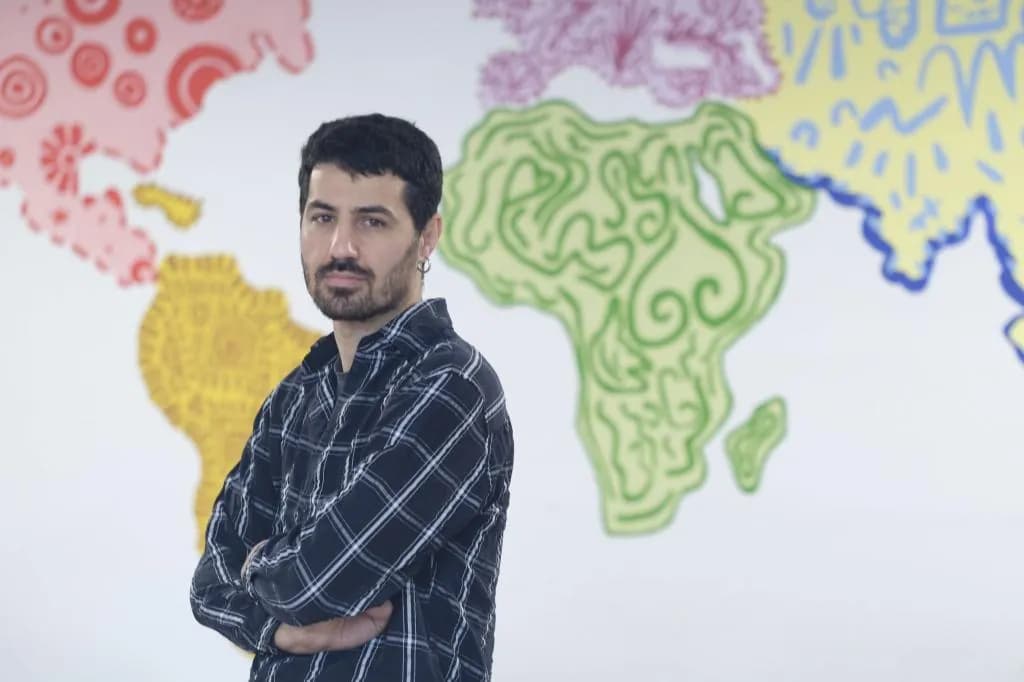
Ramtin Zigorat, Iranian gay activist: "They forced me to watch executions so I would know what mine would be like."
Key Takeaways
- Ramtin Zigorat says authorities forced him to watch executions to know his fate.
- Profile portrays Iran as hostile to homosexuals, highlighting Zigorat's activism.
- El Mundo frames Iran amid protests and regional tensions shaping political discourse.
Intro and refugee background
Approximately 11 countries worldwide punish homosexuality with the death penalty, and Iran is among them; in addition, homosexuality is criminalized in nearly 70 countries.
“Profile: A planet too hostile for homosexuals Transition: The now-or-never moment for Iran's crown prince: massive protests against the ayatollah regime and Trump's disruption give wings to monarchists Direct witness: EL MUNDO travels to the Strait of Hormuz, epicenter of the conflict with Iran: "From this side you can smell and feel the war" In 11 countries around the world homosexuality is punished even with the death penalty — it is criminalized in almost 70”
Ramtin Zigorat, born in 1988 in Tabriz, managed to escape after dodging a death sentence and surviving brutal torture, and he has lived as a refugee in Spain for six and a half years.
Childhood and coming out
From an early age he felt different and faced taunts from relatives for being perceived as effeminate.
He learned what it meant to be gay through online chats, and when he told a teacher, that decision triggered harsh responses: a school psychiatrist and staff pressured him with strong pills and punished him for disclosure.
Family reactions were mixed; his mother supported him while other relatives treated him harshly, and his brother and a friend beat him, leaving him unconscious for two days.
He later described a traumatic moment in college when four men raped him, a memory that left him feeling dirty and struggling to continue his studies.
Detention, torture, and escape
Zigorat recounts that authorities accused him of espionage, spreading homosexual diseases, and opposing Islam and the state; he endured 40 days in a Revolutionary Guard detention center, subjected to torture, beatings, and humiliation, with the Quran forced on him around the clock.
“Profile: A planet too hostile for homosexuals Transition: The now-or-never moment for Iran's crown prince: massive protests against the ayatollah regime and Trump's disruption give wings to monarchists Direct witness: EL MUNDO travels to the Strait of Hormuz, epicenter of the conflict with Iran: "From this side you can smell and feel the war" In 11 countries around the world homosexuality is punished even with the death penalty — it is criminalized in almost 70”
They forced him to watch detainees being executed so he would know how they would die, and beat him if he closed his eyes.
His mother sold all her land and paid bribes to obtain his release on the condition that he remain confined at home for two years.
A year after his release his mother died of cancer, and with help from uncles he left Iran, first to Turkey and then to Spain.
Life in Spain and political outlook
Now living in Spain for six and a half years, he says he is well cared for and uses his work to support others.
He describes the war as the result of 47 years of systematic state violence and notes the regime's involvement in Yemen, Syria, and Lebanon with Hizballah's backing.
He argues that the United States cannot remove the regime from the outside but could weaken it enough for the people to lead change, and points to Reza Pahlavi as a potential transitional leader with a plan for recovery.
He says many Iranians in the diaspora are willing to return to fight for change and that some now favor a parliamentary monarchy rather than a republic.
He warns that if the regime stays, Iran could be worse than North Korea, and notes that dozens of thousands have been killed in the streets with many bodies never found.
More on Iran

President Trump Says Iran Deal Within Reach Amid Talks With Senior Iranian Official
10 sources compared

Trump Approves Iran Operation After Netanyahu Presses for Joint Strike on Khamenei
12 sources compared

President Donald Trump orders ICE officers deployed to airports amid DHS shutdown.
227 sources compared
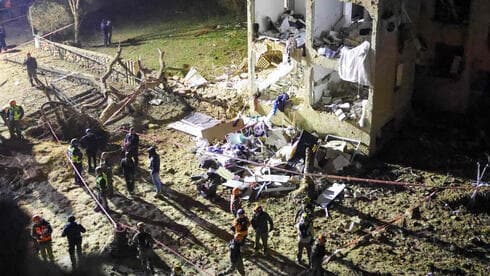
Iranian Missiles Strike Israel; Officials Report 180 Injured Amid Conflicting Casualty Figures.
12 sources compared